How to Import Steel Pipe from China Guide for Quality and Cost Efficiency
Why Import Steel Pipe from China?
Many buyers ask, “Why should I import steel pipe from China?” The answer is simple: China offers significant advantages that make it a top choice for global buyers.
Cost Savings and Strong Factory Capacity
- Lower Prices: Chinese steel pipe suppliers often provide competitive prices due to large-scale manufacturing and lower labor costs.
- High Production Capacity: Many Chinese factories have the capacity to produce large volumes of seamless steel pipes, welded steel pipes, and other types to meet global demand.
- Economies of Scale: This means better pricing for bulk orders, helping you save on your project costs.

Wide Product Range for Different Industries
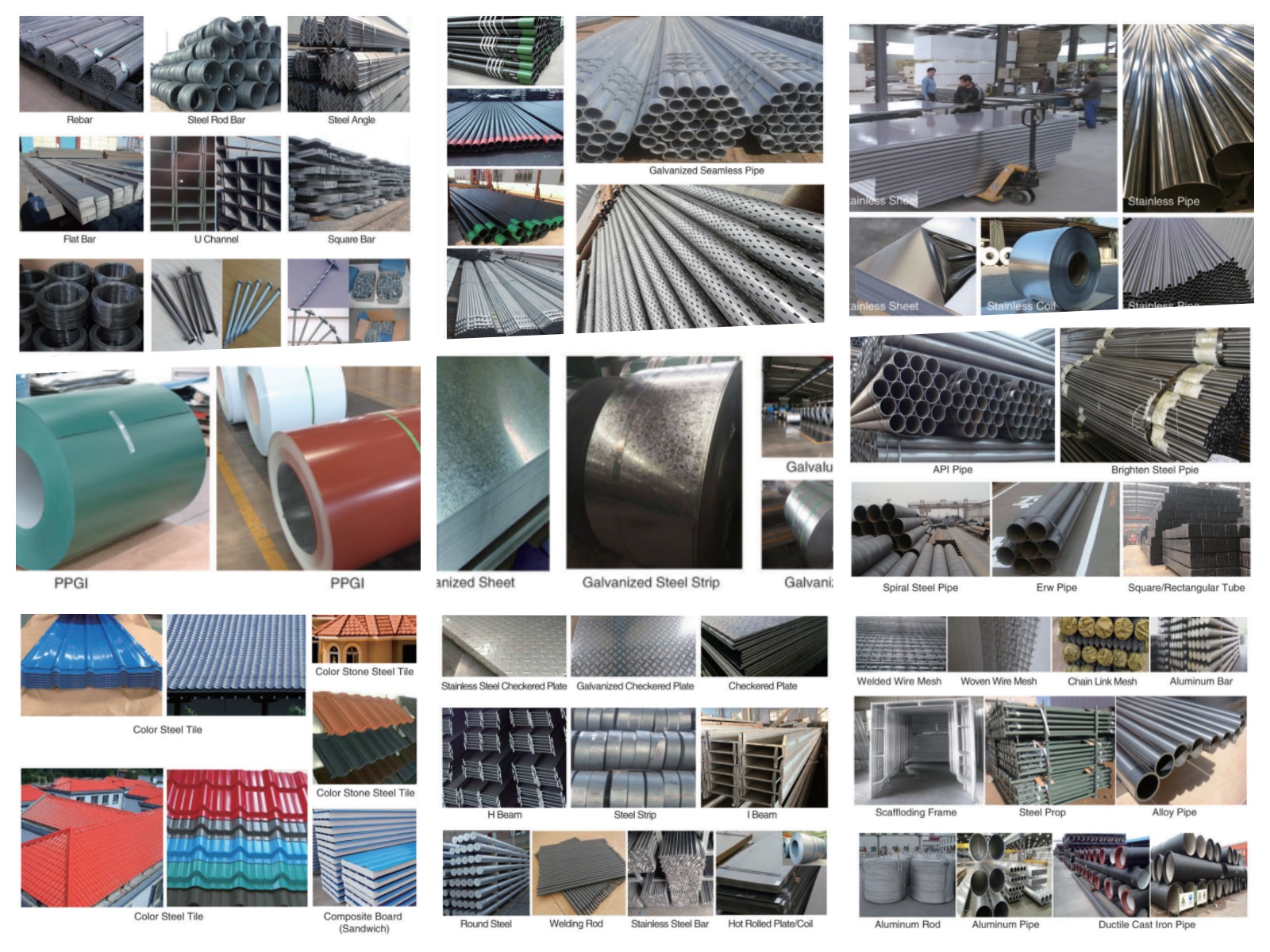
- Chinese steel pipe manufacturers produce a broad selection, including carbon steel pipe, stainless steel pipe, and alloy steel pipe.
- Whether you need pipes for construction, oil and gas, automotive, or other industries, you’ll find suitable options.
- The variety includes seamless steel pipes, welded steel pipes, hollow sections, and tubing.
What Buyers Usually Worry About Before Ordering
- Quality assurance: Will the steel pipes meet my standards?
- Supplier reliability: Can I trust the manufacturer or trading company?
- Pricing and payment terms: Are the costs transparent, and can I get good deals?
- Shipping and customs: How will the pipes arrive safely and on time?
- Import regulations: Do I need special licenses or documents?
Understanding these concerns helps you make smarter decisions when importing steel pipe from China.
Steel Pipe Types from China
When importing steel pipes from China, you’ll find a wide variety of options suited for different applications. The most common types include seamless steel pipes, welded steel pipes, hollow sections, and tubing. Each type has its unique features and uses, so choosing the right one depends on your project needs.
Seamless Steel Pipe
Seamless steel pipes are made without a weld seam, offering high strength and excellent durability. They’re ideal for high-pressure applications like oil and gas pipelines, boiler systems, and hydraulic systems. China is a leading exporter of high-quality seamless steel pipes, often meeting international standards like ASTM and API. If you need reliable seamless steel pipes, many Chinese steel pipe suppliers can provide custom sizes and finishes.
Welded Steel Pipe
Welded steel pipes are manufactured by rolling and welding steel sheets or strips. They are generally more cost-effective and available in larger sizes, making them popular in construction, water transportation, and structural projects. Chinese welded steel pipe manufacturers are known for their competitive prices and quality control, making them a good choice for bulk orders.
Hollow Section and Tubing
Hollow sections, also called steel tubes, are used in structural applications such as building frameworks, bridges, and fencing. They come in various shapes like square, rectangular, and round. Tubing can be made from different steel grades, including carbon steel, stainless steel, and alloy steel, depending on the strength and corrosion resistance needed.
Steel Pipe Materials: Carbon Steel, Stainless Steel, and Alloy Steel
- Carbon Steel Pipe: Known for its strength and affordability, suitable for general purposes like construction and mechanical applications.
- Stainless Steel Pipe: Offers corrosion resistance, perfect for food processing, chemical industries, and outdoor uses.
- Alloy Steel Pipe: Combines various elements for enhanced mechanical properties and high-temperature resistance, often used in specialized industrial projects.
Finding the right steel pipe type from China depends on your project specifications, budget, and quality requirements. Many Chinese steel pipe export companies can customize products to match your needs, ensuring you get the right material at a competitive price.
Steel pipe specs you need to know
When importing steel pipes from China, understanding the key specifications is essential to ensure they meet your project needs. Here are the main specs you should focus on:
Outer diameter, wall thickness, and length
These are the basic dimensions that determine the pipe’s suitability for your application. The outer diameter affects flow capacity and fitting compatibility, while wall thickness influences strength and pressure resistance. Pipes can be supplied in standard lengths or customized to your project requirements. For example, if you need pipes for structural use or fluid transport, knowing these dimensions helps you select the right size.
Grades and standards like ASTM, API, and DIN
Steel pipes from China are produced according to various international standards, such as ASTM, API, and DIN. These standards specify material quality, mechanical properties, and testing procedures. Confirming the grade and standard ensures the pipe’s performance and safety for your specific industry—be it oil and gas, construction, or manufacturing.
Surface finish, end types, and coating options
The surface finish impacts corrosion resistance and appearance. Common options include galvanized, painted, or bare finishes. End types vary from plain cut, beveled, to threaded or flanged, depending on how you plan to connect the pipes. Coating options like epoxy or PPGI can add extra protection, especially for outdoor or harsh environments. For more on coating options, check out galvanized steel pipe.
How I match specs to project needs
Matching the right steel pipe specs involves understanding your project’s requirements—pressure levels, environmental conditions, and connection types. Communication with Chinese steel pipe suppliers is key. Providing detailed specifications upfront helps avoid issues later. It’s also wise to verify the supplier’s ability to produce pipes that meet your exact standards and standards like API or DIN.
Getting these specs right ensures you get the right steel pipe for your project, minimizing delays and costs.
How to Find Reliable Chinese Steel Pipe Suppliers
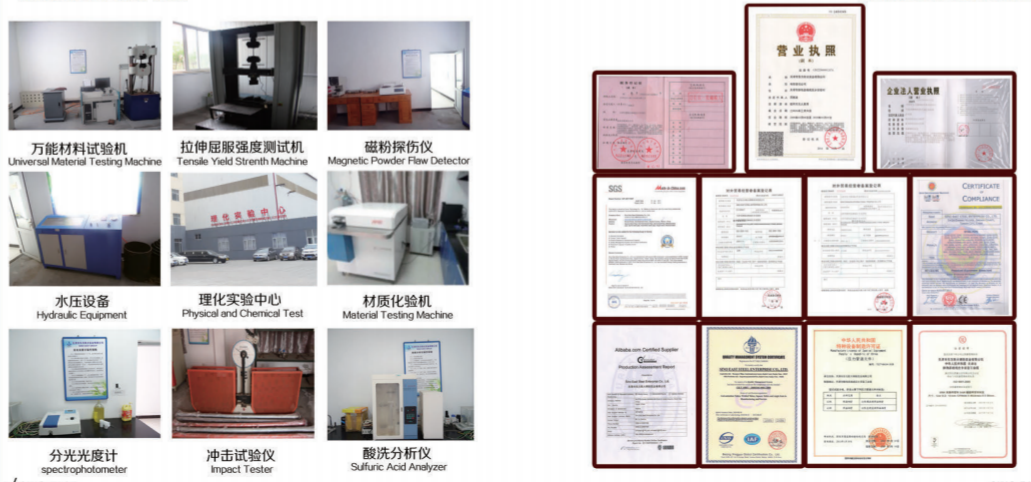
Finding a trustworthy Chinese steel pipe supplier is crucial to ensure quality, timely delivery, and good pricing. One key step is understanding the difference between verified manufacturers and trading companies. Verified manufacturers produce steel pipes directly, giving you better control over quality and customization. Trading companies, on the other hand, often source from multiple factories, which can be convenient but may carry risks of inconsistent quality. Always ask for factory details and visit their production facilities if possible to verify their capabilities.
Checking factory capacity and export experience is also essential. You want to work with suppliers who have enough production capacity to meet your order volume and a solid track record in exporting steel pipes globally. This can often be confirmed through their export licenses and customer references.
Platforms like Alibaba and Made-in-China make it easier to connect with reliable steel pipe manufacturers in China. Look for suppliers with high ratings, verified badges, and positive reviews. Additionally, attending trade shows such as Canton Fair or China Import and Export Fair can give you face-to-face access to reputable steel pipe export companies and help build trust.
Why does supplier verification matter? It’s the best way to avoid issues like subpar quality or delivery delays. Verified suppliers are more likely to meet international standards, hold relevant certifications, and have transparent business practices. Always ask for factory audits, third-party inspection reports, and sample testing before placing large orders. This way, you can be confident that the steel pipes you import from China will meet your project specifications and quality expectations.
How to Check Steel Pipe Quality
Ensuring the quality of steel pipes before importing from China is critical to avoid issues down the line. The first step is to verify that the supplier holds the necessary certifications like ISO, API, CE, or other relevant standards. These certifications confirm that the steel pipes meet international quality and safety requirements, giving you confidence in their durability and performance.
Factory audits and third-party inspections are also essential. Visiting the factory or hiring a trusted inspection company can help verify the manufacturer’s production capacity, quality control processes, and compliance with standards. Many buyers opt for third-party inspection agencies to conduct tests on samples before placing bulk orders, which helps catch potential problems early.
Common quality problems to watch out for include inconsistent wall thickness, surface defects, improper coating, or incorrect dimensions. Regular testing and inspections can prevent these issues from affecting your project, saving time and costs in the long run. For more details on material quality checks, you might find this guide on galvanized steel pipes helpful.
Steel Pipe Price and Payment Terms
Understanding steel pipe prices and payment options is key when importing from China. Several factors influence the cost, including raw material prices, steel pipe type, size, and order volume. For example, seamless steel pipes and welded steel pipes often have different pricing structures due to manufacturing complexity. Additionally, the current market demand and exchange rates can impact the final price.
When it comes to payment terms, FOB (Free On Board), CIF (Cost, Insurance, and Freight), and EXW (Ex Works) are the most common. FOB means the supplier handles everything until the steel pipe is loaded onto the shipping vessel. CIF includes the cost of shipping and insurance, making it easier for buyers to manage costs upfront. EXW places the responsibility on the buyer from the factory door, which can save money but requires more logistics planning.
Payment methods like L/C (Letter of Credit), T/T (Telegraphic Transfer), and D/P (Documents against Payment) are widely used. L/C offers security for both parties, especially for large orders, while T/T is faster and more straightforward. D/P is less common but can be suitable for trusted suppliers.
To get the best prices when buying steel pipes from China, I recommend negotiating bulk discounts directly with your supplier. Building a good relationship and confirming all specs upfront can also help you secure better terms. For more insights on sourcing steel pipes, check out our guide on how to import steel pipe from China.
Import regulations for steel pipe
When importing steel pipe from China, understanding the import regulations is crucial to avoid delays and extra costs. First, check if you need an import license or any local compliance approvals. Many countries require specific permits for steel pipes, especially if they are made from stainless steel or contain special alloys.
Required documents for customs clearance
To smoothly clear customs, you’ll need a few key documents:
- Bill of Lading: Confirms shipment details and ownership.
- Commercial Invoice: Shows the transaction value and product description.
- Packing List: Details the packaging, quantities, and dimensions.
- Certificate of Origin: Verifies where the steel pipe was manufactured, which is essential for tariff calculations.
Tariffs, VAT, GST, and duty costs
Be aware of tariffs and taxes like VAT or GST that may apply to steel pipes imported from China. These costs depend on your country’s trade policies and the steel pipe’s classification under customs codes. Calculating these beforehand helps in budgeting and pricing your projects accurately.
Understanding and complying with these import regulations ensures a smooth process from China to your warehouse. For detailed guidance, it’s helpful to work with a reliable freight forwarder or customs broker experienced in steel pipe imports.
How to Ship Steel Pipe from China
Shipping steel pipes from China involves choosing the right freight method, proper container loading, and careful planning to ensure smooth delivery. The most common options are sea freight, rail freight, and air freight, each suited to different needs and budgets.
Sea Freight, Rail Freight, and Air Freight
Sea freight is the most popular choice for importing steel pipes because it offers a good balance between cost and volume. It’s ideal for large orders and long-distance shipping. Rail freight is a faster alternative for shipments within Asia or neighboring regions. Air freight, while more expensive, is best for urgent deliveries or smaller quantities.
Container Loading for Steel Pipes
Proper container loading is crucial to prevent damage during transit. Steel pipes are typically loaded in standard shipping containers, such as 20-foot or 40-foot containers. To maximize space and protect the pipes:
- Use appropriate dunnage or padding to prevent movement.
- Secure the pipes with straps or braces.
- Consider using specialized pipe racks or cradles for heavy or long pipes.
You can find detailed guidance on container loading to ensure safety and efficiency, especially when dealing with large or heavy steel pipes. For example, this guide on steel pipe export offers tips on loading and securing pipes for international shipping.
Lead Times and Delivery Planning
Shipping lead times vary depending on the freight method and destination. Sea freight typically takes 20-40 days, while air freight can be done in a few days. It’s essential to plan ahead to avoid delays, especially during peak seasons or customs clearance periods.
Shipping Insurance and Damage Control
Protect your investment by purchasing shipping insurance. This covers damages or loss during transit. Also, inspect the shipment before loading and upon arrival. Document any damages with photos and communicate promptly with your supplier or freight forwarder to handle claims efficiently.
Getting the shipping process right helps keep your project on schedule and reduces unexpected costs. Working with experienced freight forwarders and customs brokers can streamline the entire shipping process, ensuring your steel pipes arrive safely and on time.
Customs Clearance and Freight Forwarding
When importing steel pipes from China, customs clearance is a crucial step. It involves submitting the necessary documents to ensure your shipment complies with local import regulations. Proper documentation includes the bill of lading, invoice, packing list, and certificate of origin. It’s important to understand tariffs, VAT, GST, and duty costs that may apply to your shipment to avoid surprises at customs.
How Freight Forwarders Help with Shipping
Freight forwarders play a key role in managing the logistics of your steel pipe import. They coordinate transportation, handle documentation, and ensure your cargo moves smoothly from China to your destination. Using a reliable freight forwarder can save time and reduce the risk of delays. They also assist with choosing the best shipping method—sea freight, rail, or air freight—based on your budget and timeline.
Working with Customs Brokers
Partnering with experienced customs brokers simplifies the clearance process. They know the local regulations and help ensure all paperwork is in order. Customs brokers can also advise on import duties and taxes, making sure your shipment clears customs without issues. This partnership helps avoid costly delays or fines.
Port Handling and Shipment Tracking
Once your steel pipes arrive at the port, efficient port handling is vital. Your freight forwarder or customs broker will coordinate with port authorities for smooth unloading. Shipment tracking services allow you to monitor your cargo in real-time, providing peace of mind and helping you plan for delivery. Building good communication with port handlers and freight companies helps prevent delays at the destination port.
Avoiding Delays at Destination Port
To prevent hold-ups, double-check that all documents are accurate and complete before shipment arrives. Confirm the shipping schedule and coordinate with your logistics partners. Clear communication and proper documentation are key to avoiding customs issues and ensuring your steel pipes reach you on time.
How to Avoid Import Mistakes
Avoiding import mistakes when sourcing steel pipes from China starts with clear communication. Make sure you confirm all specs, including outer diameter, wall thickness, and length, before placing your order. Double-check the quantity and packaging details to prevent surprises during delivery.
It’s also crucial to inspect the shipment before and after loading. Request photos or videos of the packed steel pipes and verify that they match your order specifications. Working with reliable freight forwarders and customs brokers can help ensure smooth shipping and customs clearance, reducing delays and additional costs.
Building long-term relationships with trusted Chinese steel pipe suppliers can make the entire import process more predictable. Reliable suppliers who understand your needs can help you avoid common pitfalls like quality issues or miscommunication. Regular communication and supplier verification, such as factory audits or third-party inspections, are key to maintaining high standards and smooth imports.
By taking these steps, you can reduce risks and ensure your steel pipe import process is efficient and hassle-free.
After Import Support for Steel Pipes
Once your steel pipes arrive, proper handling and management are crucial to keep your project running smoothly. First, ensure safe receiving and storage—store steel pipes in a dry, secure area to prevent rust or damage. Proper storage helps maintain quality and avoids costly rework later.
Handling defects, claims, and disputes is part of the process. If you find any issues with the steel pipes—such as surface damage or dimensional inconsistencies—document everything and communicate promptly with your supplier. Many reputable Chinese steel pipe suppliers offer support for resolving quality concerns, making claims straightforward.
Reordering with the same supplier becomes easier once you’ve built trust. Maintaining a good relationship helps ensure consistent quality, better prices, and priority in delivery schedules. Plus, it simplifies the process of keeping your supply stable for future projects, avoiding delays caused by sourcing new vendors.
Overall, a smooth after-import process helps you stay on schedule, control costs, and build long-term partnerships with reliable Chinese steel pipe manufacturers.
Why Work with Sino East Steel Group
Choosing Sino East Steel Group for importing steel pipes from China means partnering with a trusted and experienced supplier. We provide comprehensive steel pipe sourcing support, helping you find the right products that match your project needs. Our team assists with quality control and certification help, ensuring every shipment meets international standards like ASTM, API, or DIN.
We also offer competitive pricing and reliable logistics support, making your import process smoother and more cost-effective. Whether you need seamless steel pipes, welded steel pipes, or custom steel tube exports, our reliable export service is designed for global buyers.
By working with Sino East Steel Group, you gain a partner committed to quality, transparency, and efficiency—making your steel pipe import from China straightforward and stress-free.