
Steel Pipes for Scaffolding: Complete Guide to Materials, Standards and Supplier Selection
/in News /by Paul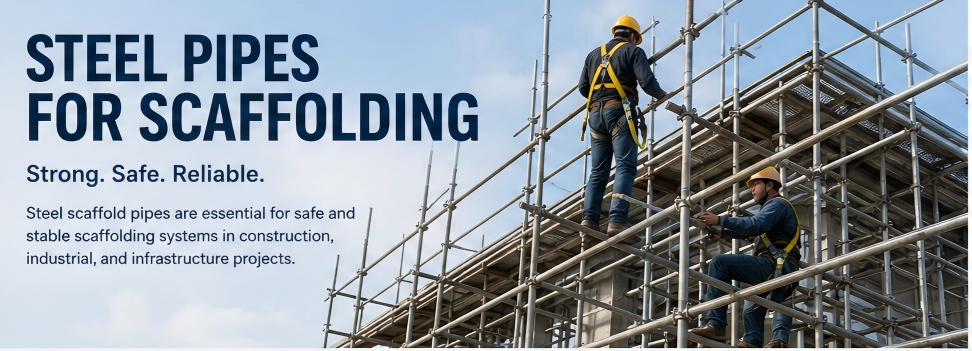
are essential in construction, maintenance, shipbuilding, infrastructure projects, and industrial facilities. At the heart of every safe and reliable scaffold structure is the steel pipe. Choosing the right steel pipes for scaffolding directly affects worker safety, project efficiency, and long-term costs.
Whether you are a contractor, distributor, or international importer, understanding scaffold steel pipes helps you make informed purchasing decisions while ensuring compliance with international standards.
This guide explains everything you need to know about scaffolding steel pipes—from materials and manufacturing processes to standards, sizes, surface treatments, and supplier selection.
Why Steel Pipes Are the Preferred Choice for Scaffolding
Modern construction sites require scaffolding systems capable of supporting heavy loads while remaining easy to assemble and dismantle.
Compared with aluminum or wooden scaffolding, steel pipes offer several advantages:
- Excellent load-bearing capacity
- High impact resistance
- Long service life
- Better fire resistance
- Cost-effective for large-scale projects
- Suitable for repeated use
These advantages make steel scaffold pipes the preferred solution for commercial buildings, bridges, power plants, oil and gas facilities, shipyards, and infrastructure projects.
Common Types of Steel Pipes Used for Scaffolding
Several types of steel pipes are commonly used in scaffold systems.
1. Galvanized Steel Pipes
Hot-dip galvanized scaffold tubes are the most popular option worldwide.
Benefits include:
- Excellent corrosion resistance
- Longer service life
- Reduced maintenance costs
- Better outdoor performance
They are particularly suitable for coastal areas, humid environments, and long-term construction projects.
2. Black Steel Pipes
Black steel scaffold pipes are widely used for temporary indoor construction projects.
Advantages include:
- Lower purchase cost
- Easy fabrication
- Good mechanical strength
However, they require proper storage because they are more susceptible to rust.
3. ERW Steel Pipes
Electric Resistance Welded (ERW) pipes are commonly manufactured for scaffold applications.
Features include:
- Consistent wall thickness
- High dimensional accuracy
- Smooth surface finish
- Cost-effective production
Most commercial scaffold tubes available today are ERW steel pipes.
Common Standards for Scaffolding Steel Pipes
International construction projects often require scaffold tubes that comply with recognized standards.
The most common standards include:
| Standard | Region | Application |
|---|---|---|
| EN39 | Europe | Steel tubes for scaffolding |
| BS1139 | UK | Scaffold tube specification |
| ASTM A53 | North America | Structural steel pipe |
| JIS G3444 | Japan | Structural steel tubing |
These standards define requirements for:
- Outside diameter
- Wall thickness
- Tensile strength
- Yield strength
- Straightness
- Weld quality
- Zinc coating thickness
Choosing products that comply with these standards helps ensure both safety and regulatory compliance.
Standard Dimensions of Scaffold Pipes
Although dimensions vary by market, the most common scaffold pipe specifications include:
| Outside Diameter | Wall Thickness |
|---|---|
| 48.3 mm | 3.2 mm |
| 48.3 mm | 4.0 mm |
| 60.3 mm | 3.2 mm |
Pipe lengths typically include:
- 1.0 m
- 1.5 m
- 2.0 m
- 3.0 m
- 4.0 m
- 6.0 m
Custom lengths are also available for large engineering projects.
Material Grades
Most scaffold steel pipes are manufactured from low-carbon steel, offering an ideal balance of strength, weldability, and cost.
Common material grades include:
- Q195
- Q235
- Q355
- S235
- S355
Higher-strength materials are recommended for heavy-duty industrial scaffolding and infrastructure construction.
Hot-Dip Galvanized vs. Pre-Galvanized Scaffold Pipes
Many buyers wonder which galvanizing process is better.
Hot-Dip Galvanized
Advantages:
- Thick zinc coating
- Superior corrosion resistance
- Longer service life
- Lower maintenance
Recommended for:
- Marine environments
- Outdoor construction
- Long-term projects
Pre-Galvanized
Advantages:
- Lower cost
- Smooth appearance
- Suitable for light-duty applications
Recommended for:
- Indoor projects
- Temporary scaffolding
- Budget-sensitive construction
For most international engineering projects, hot-dip galvanized scaffold tubes provide the best long-term value.
Quality Inspection Before Delivery
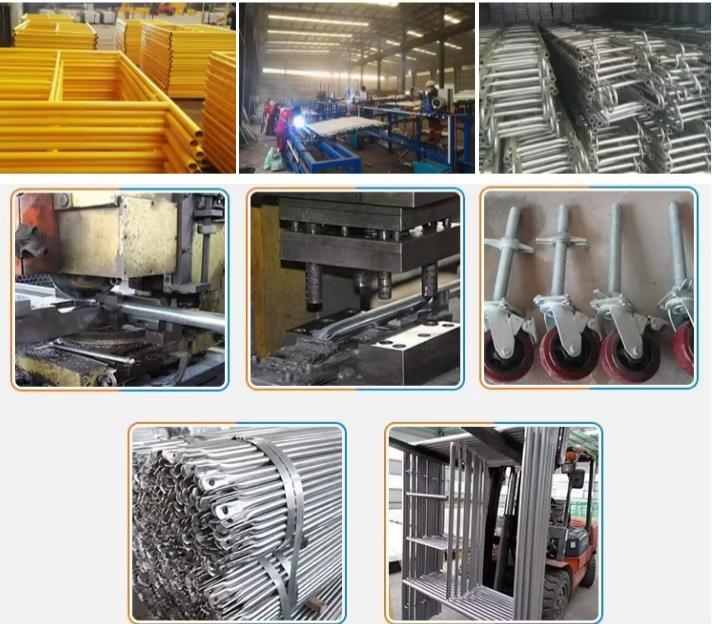
Reliable manufacturers conduct multiple quality inspections before shipment.
Typical inspections include:
- Chemical composition analysis
- Mechanical property testing
- Tensile testing
- Yield strength testing
- Hydrostatic testing
- Weld inspection
- Zinc coating thickness measurement
- Dimensional inspection
- Surface quality inspection
Third-party inspections by SGS, BV, or TUV are also common for export orders.
Applications of Scaffolding Steel Pipes
Steel scaffold tubes are used across numerous industries.
Typical applications include:
Building Construction
Residential, commercial, and high-rise buildings require temporary access platforms for workers.
Bridge Construction
Bridge projects demand scaffolding capable of supporting heavy loads over long spans.
Oil & Gas Industry
Maintenance platforms around pipelines, storage tanks, and refineries rely on durable scaffold systems.
Shipbuilding
Shipyards use galvanized scaffold pipes due to their excellent corrosion resistance.
Industrial Maintenance
Factories, power plants, and chemical facilities frequently install temporary scaffolding during maintenance shutdowns.
How to Choose the Right Scaffold Pipe Supplier
Selecting a reliable supplier is just as important as choosing the correct product.
Consider the following factors:
Manufacturing Experience
Look for manufacturers with years of export experience and proven production capabilities.
International Certifications
Reliable suppliers should provide certifications such as:
- ISO 9001
- CE (if required)
- EN39 compliance
- Material Test Certificates (MTC)
Production Capacity
Large production capacity ensures stable supply and on-time delivery for large projects.
Quality Control
Ask about:
- Raw material inspection
- Online production inspection
- Final inspection
- Third-party testing options
Export Experience
Experienced exporters understand international packaging requirements, shipping documentation, and customs regulations.
Packaging and Shipping
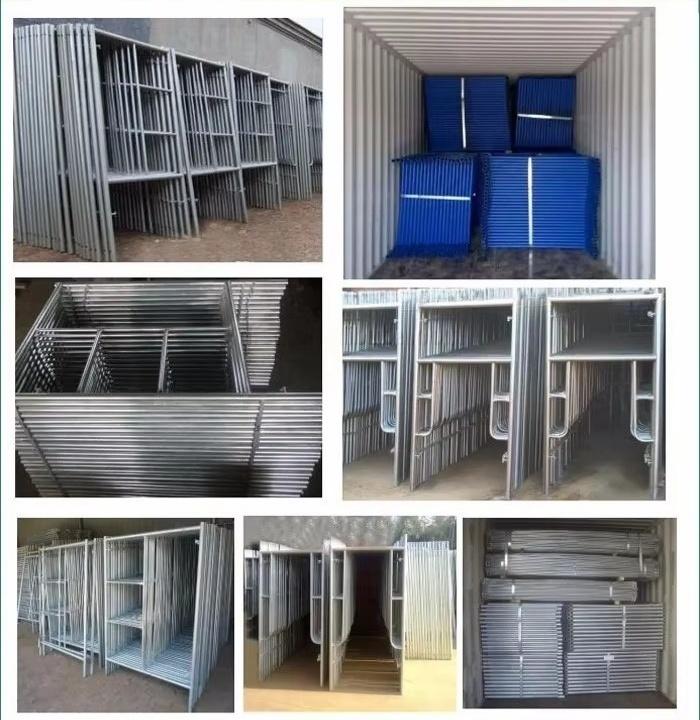
Proper packaging helps prevent damage during international transportation.
Common export packaging methods include:
- Steel strip bundling
- Plastic caps
- Waterproof wrapping
- Woven bags
- Wooden pallets
- Container loading optimization
Good packaging reduces transportation risks and improves unloading efficiency at the destination.
Future Trends in Scaffold Steel Pipes
The global construction industry continues to evolve, driving demand for higher-quality scaffold products.
Current trends include:
- Increased use of high-strength steel
- Better corrosion-resistant coatings
- Sustainable manufacturing processes
- Digital quality traceability
- Customized scaffold solutions
- Automated welding technology
Manufacturers investing in advanced production equipment and stricter quality control are becoming preferred partners for international buyers.
Conclusion
Steel pipes remain the backbone of modern scaffolding systems due to their strength, durability, and cost-effectiveness. Choosing the right material, dimensions, surface treatment, and manufacturing standard ensures safe construction while reducing maintenance and replacement costs.
For contractors, distributors, and global importers, partnering with an experienced steel pipe manufacturer provides consistent product quality, reliable delivery, and technical support throughout the procurement process.
If your project requires high-quality scaffolding steel pipes manufactured to international standards, working with a trusted supplier can help improve project safety, operational efficiency, and long-term value.
FAQ
Q1: What is the standard diameter of a scaffold steel pipe?
The most widely used scaffold tube has an outside diameter of 48.3 mm, which complies with standards such as EN39 and BS1139.
Q2: Why are galvanized scaffold pipes preferred?
Hot-dip galvanized pipes offer superior corrosion resistance, making them ideal for outdoor and long-term construction projects.
Q3: Are ERW pipes suitable for scaffolding?
Yes. ERW steel pipes are widely used because they provide consistent dimensions, good strength, and cost-effective manufacturing.
Q4: What certifications should a scaffold pipe supplier provide?
Buyers should request ISO 9001 certification, Material Test Certificates (MTC), and compliance with relevant standards such as EN39 or BS1139.
Q5: Can scaffold steel pipes be customized?
Yes. Many manufacturers offer customized lengths, wall thicknesses, zinc coating requirements, end finishes, and packaging to meet specific project needs.
⚡ Quick RFQ & Instant CIF Quotation
Inquiring about Steel Pipes for Scaffolding Complete Guide to Materials Standards and Supplier Selection? Contact our export engineering team for 2026 FOB/CIF pricing, MTC 3.1 certificates, and 20GP container loading calculations.