
Selection and Application of Stainless Steel Sheets
In industrial manufacturing, construction engineering, energy and chemical industries, and high-end equipment sectors, material reliability directly determines project safety, durability, and overall cost. With its outstanding chemical stability, high strength, and aesthetic appeal, stainless steel plate has become a core material across multiple industries, including machinery manufacturing, architectural decoration, food processing, and medical equipment. Whether crafting high-precision mechanical components, corrosion-resistant building curtain walls, or producing sanitary-grade equipment, mastering the selection logic, application scenarios, and maintenance essentials of stainless steel plate ensures compliance with industry standards while achieving dual objectives of cost reduction, efficiency enhancement, and long-term durability.
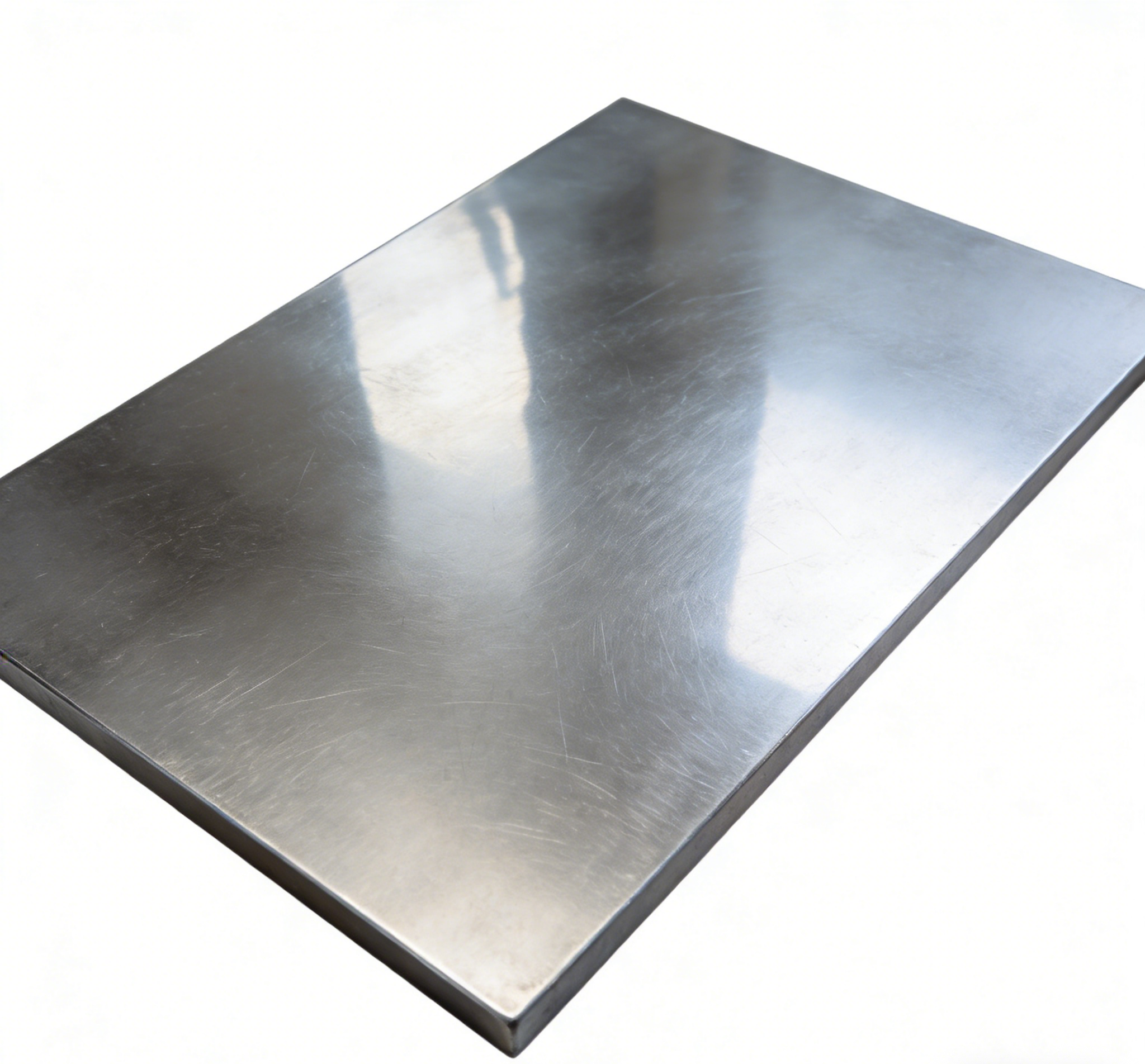
Stainless Steel Sheets
Table of Contents
1.What is Stainless Steel Plate?
2.Industrial Application Advantages of Stainless Steel Plate
3.Common Types of Stainless Steel Sheets: Precisely Matching Application Needs
4.Parameter Analysis for Stainless Steel Sheet Selection
5.Mainstream Industrial Application Scenarios for Stainless Steel Sheets
6.Maintenance and Life-cycle Management of Stainless Steel Sheets
Conclusion: Enhancing Project Value with High-Quality Stainless Steel Sheets
1.What is Stainless Steel Sheet?
Stainless steel sheet is a plate material produced by alloying iron with chromium (≥10.5%), nickel, molybdenum, titanium, and other elements. Its core properties stem from the dense, stable chromium oxide passivation layer formed on the surface by chromium. This film isolates the substrate from air, moisture, and corrosive agents, fundamentally preventing rust. It also self-repairs minor damage, ensuring long-term protection.
Structurally, stainless steel plates primarily consist of:
Base Material: Low-carbon or alloy steel providing foundational strength and form-ability;
Alloying Element System: Chromium and nickel determine fundamental corrosion resistance, molybdenum enhances pitting resistance, and titanium improves weld-ability. Variations in element ratios create distinct properties;
Surface Passivation Layer: Just a few nanometers thick, yet the core guarantee of stainless steel’s “rust-proof” property.
This unique composition and structure enable stainless steel plates to demonstrate unparalleled adaptability in complex environments such as humidity, acid/alkali exposure, and high temperatures—far surpassing ordinary steel.
2.Industrial Application Advantages of Stainless Steel Plates
Compared to materials like ordinary steel plates and aluminum alloy plates, stainless steel plates possess several irreplaceable core advantages in industrial settings:
Exceptional Corrosion Resistance
The passivation film formed by core alloy elements resists corrosion from most acidic, alkaline, and saline media, maintaining stable performance in humid atmospheres, chemical environments, and coastal salt fog conditions. Depending on the material, service life can reach 30-50 years—far exceeding ordinary steel—significantly reducing maintenance and replacement costs.
High Strength and Structural Stability
Stainless steel plates combine high tensile strength with excellent toughness. They maintain stable mechanical properties at room temperature without requiring heat treatment, enabling complex processing like stamping, bending, and welding. They retain structural integrity across extreme temperatures (-270°C to 800°C), making them suitable for harsh operating conditions.
Hygienic, Eco-Friendly, and Easy to Clean
Its smooth, non-porous surface resists bacterial and fungal growth without releasing harmful substances. Certified for food contact and medical applications, it meets stringent hygiene standards for food processing and medical devices. Routine cleaning requires only simple wiping to maintain cleanliness.
Aesthetics and Versatile Adaptability
Surfaces can be finished with mirror, brushed, or frosted textures, blending functionality with decorative appeal. Compatible with secondary treatments like spraying, etching, and polishing, it meets both industrial equipment requirements and architectural aesthetic demands.
Outstanding Cost-Effectiveness Over Full Life-cycle
While the initial purchase cost is higher than ordinary steel plates, its exceptionally long service life, minimal maintenance requirements, and recyclability result in a more advantageous total cost of ownership over the entire life-cycle. This makes it particularly suitable for projects involving long-term use and high maintenance costs.
3.Common Types of Stainless Steel Sheets: Precisely Matching Application Requirements
Based on microstructure and alloy composition, stainless steel sheets are primarily categorized as follows:
Austenitic Stainless Steel Sheets (300 Series)
Common Grades: 304, 304L, 316, 316L
Characteristics: High corrosion resistance, excellent weld-ability, non-magnetic
Applications:
304/304L: Food processing equipment, architectural cladding, general industrial machinery
316/316L: Marine environments, chemical processing equipment, medical devices
Ferritic Stainless Steel Sheets (400 Series)
Common Grades: 430, 409
Characteristics: Chromium-based without nickel, lower cost, magnetic
Applications: Interior finishes, appliance components, structural parts in low-corrosion environments
Martensitic Stainless Steel Sheets
Common Grades: 410, 420
Characteristics: High strength, high hardness, heat treatable
Applications: Mechanical components, valves, wear-resistant parts
Duplex Stainless Steel Sheets
Common Grades: 2205, 2507
Characteristics: High strength, excellent corrosion resistance, strong stress corrosion resistance
Applications: Marine engineering, oil/gas pipelines, chemical pressure vessels
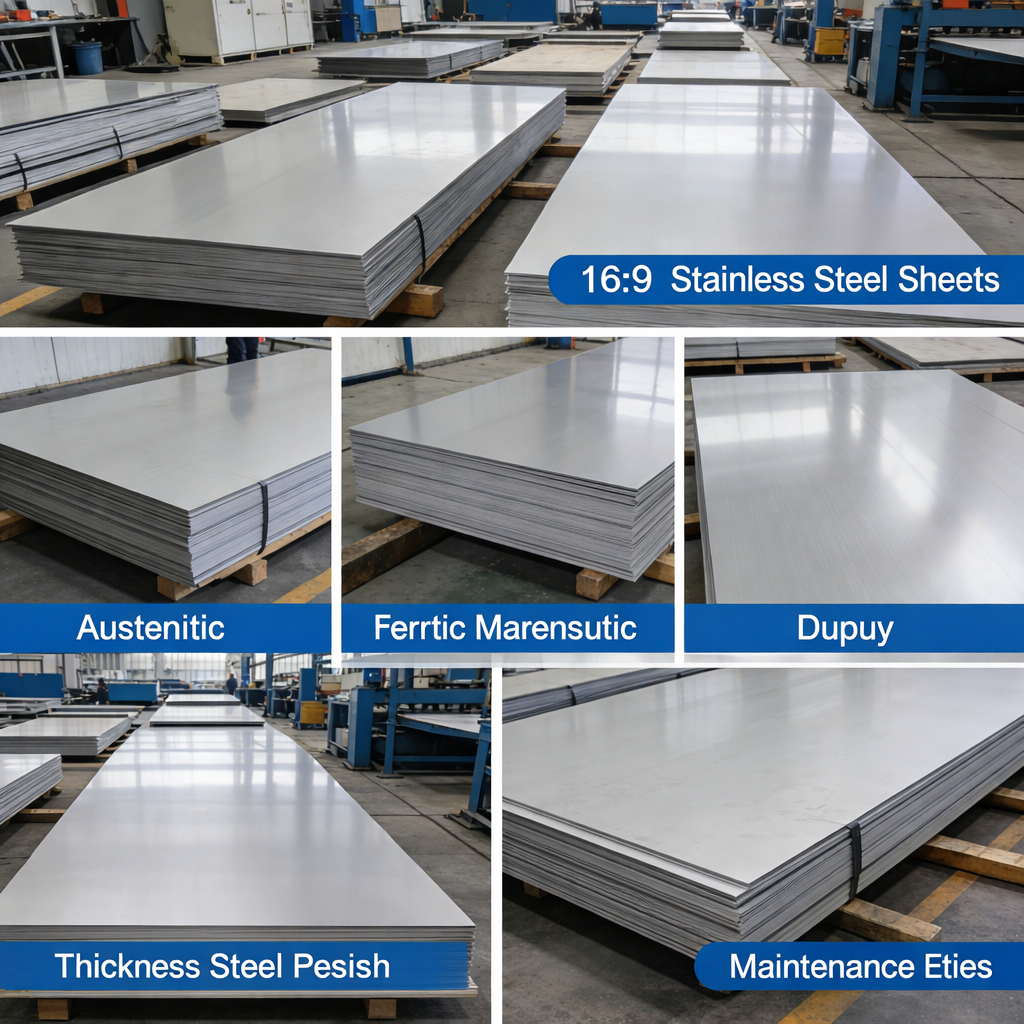
Types of Stainless Steel Sheets Display
4.Core Parameters for Stainless Steel Sheet Selection
In practical procurement, the following parameters significantly impact stainless steel plate performance:
Material Grade
Determines corrosion resistance level, strength, and machinability. Select appropriate steel grades based on the operating environment.
Thickness and Dimensions
Thin plates (0.4–1.5mm): Decorative panels, equipment casings
Medium-thick plates (2–12mm): Mechanical structures, curtain wall systems
Thick plates (≥15mm): Pressure vessels, heavy-duty equipment
Surface Finish
2B: Cold-rolled matte finish, general industrial applications
BA / Mirror: Decorative and high-cleanliness requirements
Brushed (HL): Architectural decoration and equipment aesthetics
Standards Compliance
Common standards include ASTM, EN, JIS, GB. Match corresponding certification requirements for different projects.
5.Typical Industrial Applications of Stainless Steel Sheets
Construction Engineering: Curtain walls, roofing systems, handrails, decorative components
Machinery Manufacturing: Equipment housings, brackets, corrosion-resistant components
Food & Pharmaceutical: Storage tanks, piping, processing equipment
Transportation: Vehicle components, marine structures
Energy & Chemical: Reactors, heat exchangers, piping systems
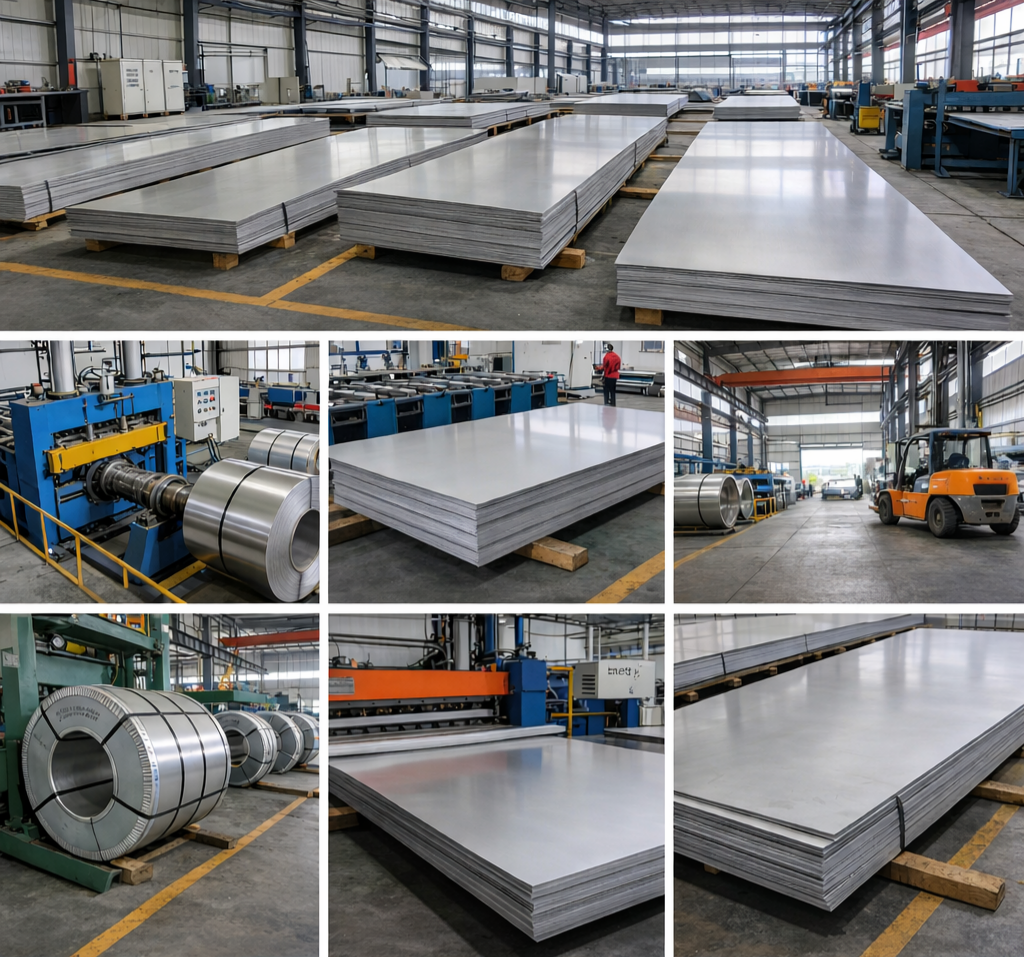
Types of Stainless Steel Sheets Display
6.Maintenance and Service Life Management of Stainless Steel Sheets
Scientific usage and maintenance can further extend the service life of stainless steel sheets:
Store in dry, ventilated conditions; avoid prolonged exposure to moisture
Promptly remove welding slag and iron filings after processing to prevent contamination
Regularly clean surfaces to eliminate salt deposits and chemical residues
Select higher-grade steel types for highly corrosive environments and conduct periodic inspections
7.Conclusion: Elevating Project Value with Premium Stainless Steel Sheets
The essence of stainless steel sheet selection and application lies in “precision matching”—optimizing material value by selecting appropriate grades, specifications, and surface finishes based on three core factors: environment, performance, and cost. Whether for food equipment demanding high hygiene standards or chemical plants enduring extreme corrosion, premium stainless steel plates serve as the “ballast” for project quality through their stable performance.
If you seek a supplier of stainless steel plates meeting international standards or require material selection advice for specific operating conditions, we offer one-stop solutions from material selection to application support.