
Why is cold-rolled steel plate an ideal choice for structural engineering?
In structural engineering, material selection directly impacts project safety, stability, construction efficiency, and long-term operational costs. As building standards continue to rise and projects grow increasingly complex, the limitations of traditional steel in precision and performance have become apparent. Against this backdrop, cold-rolled steel plates—with their high strength, precision, and excellent work-ability—better meet modern structural engineering demands. They are emerging as the ideal material choice that balances safety, economy, and sustainability.
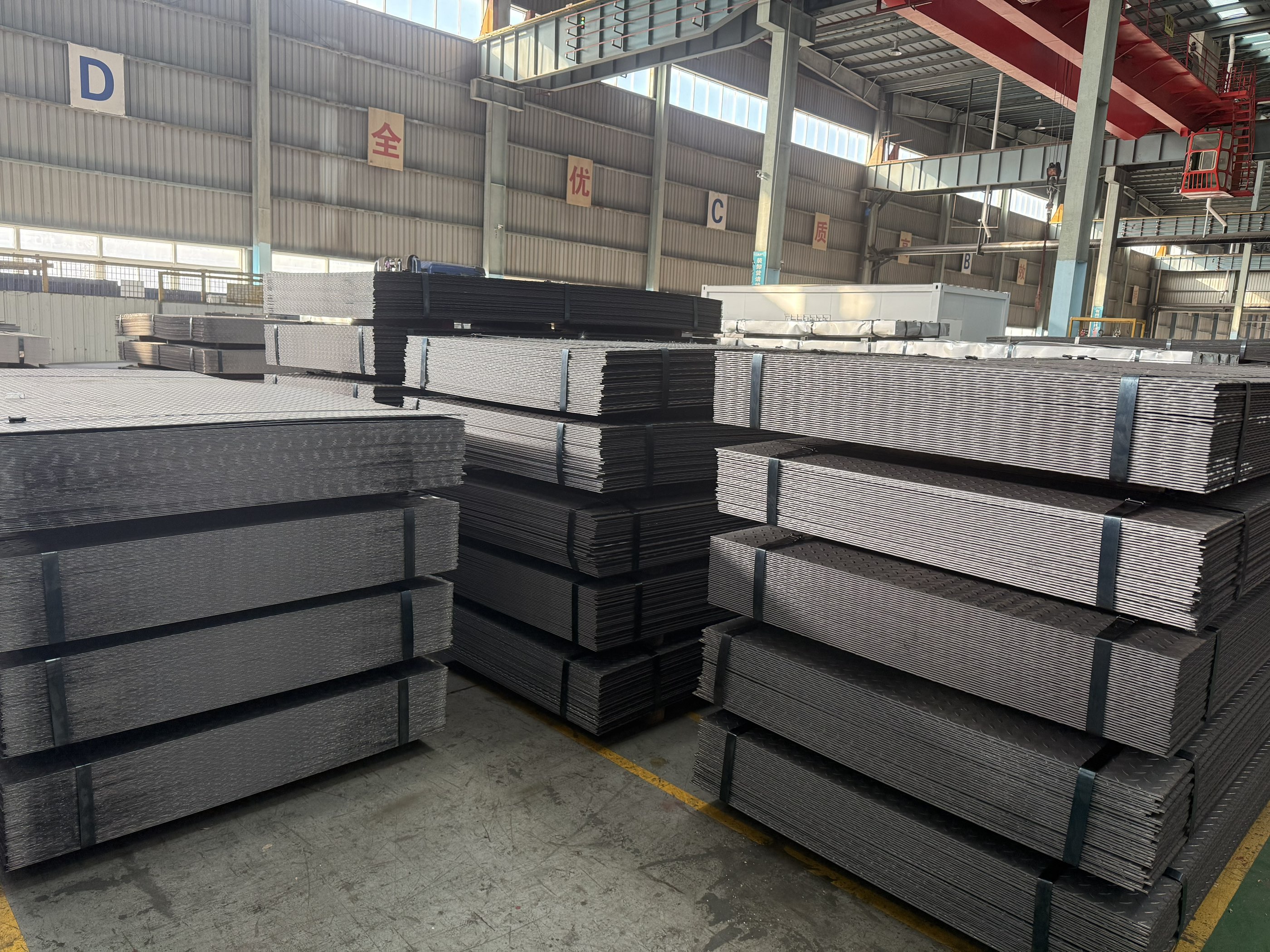
cold-rolled steel plate
1.What is cold-rolled steel plate?
Cold-rolled steel plate is a high-performance steel product manufactured from hot-rolled steel plate or strip through cold rolling at ambient temperatures. Unlike hot-rolled steel, the cold-rolling process avoids high-temperature heating. Instead, multiple precision rolling stages significantly enhance the steel’s dimensional accuracy and mechanical properties.
Key characteristics of cold-rolled steel sheets include:
A.Minimal thickness tolerances with precise dimensional control
B.Smooth, flat surfaces and consistent quality
C.Higher material strength and denser internal structure
These advantages make cold-rolled steel sheets particularly suitable for engineering applications demanding superior structural performance and processing precision, establishing them as the ideal material choice for numerous high-end uses.
2.High Strength and Structural Stability Meeting Demanding Engineering Standards
Ensuring safety and reliability is paramount in structural engineering. The cold working process induces work hardening in cold-rolled steel plates, significantly boosting yield strength and tensile strength for superior mechanical properties.
Compared to conventional steel, cold-rolled steel plates offer distinct advantages:
A.Enhanced load-bearing capacity at equivalent thicknesses, accommodating heavier loads
B.Thinner specifications can be used to meet the same strength requirements, optimizing material usage
C.Effectively reduces overall structural self-weight, lowering foundation loads and construction complexity
These characteristics make cold-rolled steel sheets particularly suitable for projects demanding extreme strength and stability, such as high-rise buildings, steel-framed industrial plants, and equipment support structures. They not only substantially enhance structural safety factors but also provide greater flexibility and innovation space for engineering design.
3.Exceptional dimensional accuracy enhances construction efficiency
In modern structural engineering, construction efficiency directly impacts project timelines and cost control. Cold-rolled steel plates, with their exceptional flatness and dimensional consistency, significantly reduce the need for on-site adjustments and secondary processing, greatly facilitating the construction process.
High-precision dimensional control delivers multiple benefits:
A.Ensures precise component assembly for tight, reliable structural connections
B.Effectively reduces construction errors and rework rates, minimizing resource waste
C.Accelerates overall construction progress and shortens project timelines
D.Lowers labor input and time costs while improving construction efficiency
Particularly in prefabricated buildings, modular steel structures, and precision engineering projects, cold-rolled steel sheets have become the standard material choice, enabling efficient and accurate construction management.
4.Superior Surface Quality: Balancing Functionality and Aesthetics
Cold-rolled steel sheets feature a smooth, flat surface free of noticeable scale. This not only significantly enhances the material’s visual appeal but also plays a crucial role in its functional performance. The high-quality surface condition makes cold-rolled steel sheets exceptionally suitable for various subsequent processing techniques, including:
Galvanizing
Spraying and coating
Electroplating or film coating
Corrosion protection and decorative finishing
Consequently, cold-rolled steel sheets enable elegant and aesthetically pleasing designs in commercial buildings, public facilities, and structural engineering projects with high appearance requirements, while ensuring structural integrity and meeting both functional and aesthetic demands.
5.Excellent work-abilityfor complex engineering needs
Structural engineering often involves complex fabrication processes such as cutting, stamping, bending, and welding. Cold-rolled steel sheets, with their uniform micro-structure and stable properties, exhibit excellent controllability and consistency during processing.
For manufacturers and construction teams, using cold-rolled steel sheets offers significant advantages:
Higher fabrication success rates, reducing process challenges
Lower material wastage, improving resource utilization
More stable finished product quality, ensuring project safety
Significantly enhanced production efficiency, shortening manufacturing cycles
Consequently, cold-rolled steel sheets are particularly well-suited for manufacturing complex structural components and high-precision engineering parts, meeting modern engineering’s stringent demands for accuracy and performance.
6.Outstanding Durability, Reducing Life-cycleCosts
While cold-rolled steel sheets may carry a slightly higher short-term procurement cost compared to some common steels, their advantages become more pronounced when analyzing the project’s total life-cycle cost.
Benefiting from high strength, excellent surface treatment adaptability, and stable performance, cold-rolled steel sheets demonstrate numerous advantages during long-term use:
Strong deformation resistance, effectively ensuring structural stability
Low maintenance requirements, reducing repair frequency and costs
Longer service life, extending the overall project lifespan
Reduced replacement frequency, minimizing downtime and material waste
For large-scale structural projects and long-term operational facilities, cold-rolled steel sheets significantly reduce post-construction maintenance and operational costs, enhancing the overall project’s return on investment.
7.Typical Applications of Cold-Rolled Steel Sheets in Structural Engineering
Currently, cold-rolled steel sheets are extensively utilized across multiple structural engineering domains, including but not limited to:
Framing and support systems for steel structures
Industrial plant buildings and equipment support structures
Prefabricated building components
Structural elements for commercial and public buildings
Precision engineering and high-standard structural projects
In modern structural engineering that prioritizes safety, efficiency, precision, and sustainability, cold-rolled steel plates have become an indispensable material due to their high strength, precision, superior surface quality, and long-term durability. Selecting cold-rolled steel plates is a key guarantee for ensuring engineering quality.