
How to Select ASTM A53 Galvanized Steel Pipe
ASTM A53 galvanized steel pipe is one of the most widely used standards worldwide in steel structures, greenhouse frames, scaffolding, and fluid conveyance piping systems.Whether you are an engineering procurement specialist, a construction project manager, or a distributor, selecting the right galvanized steel pipes that comply with the ASTM A53 standard directly impacts the safety, durability, and cost control of your project.
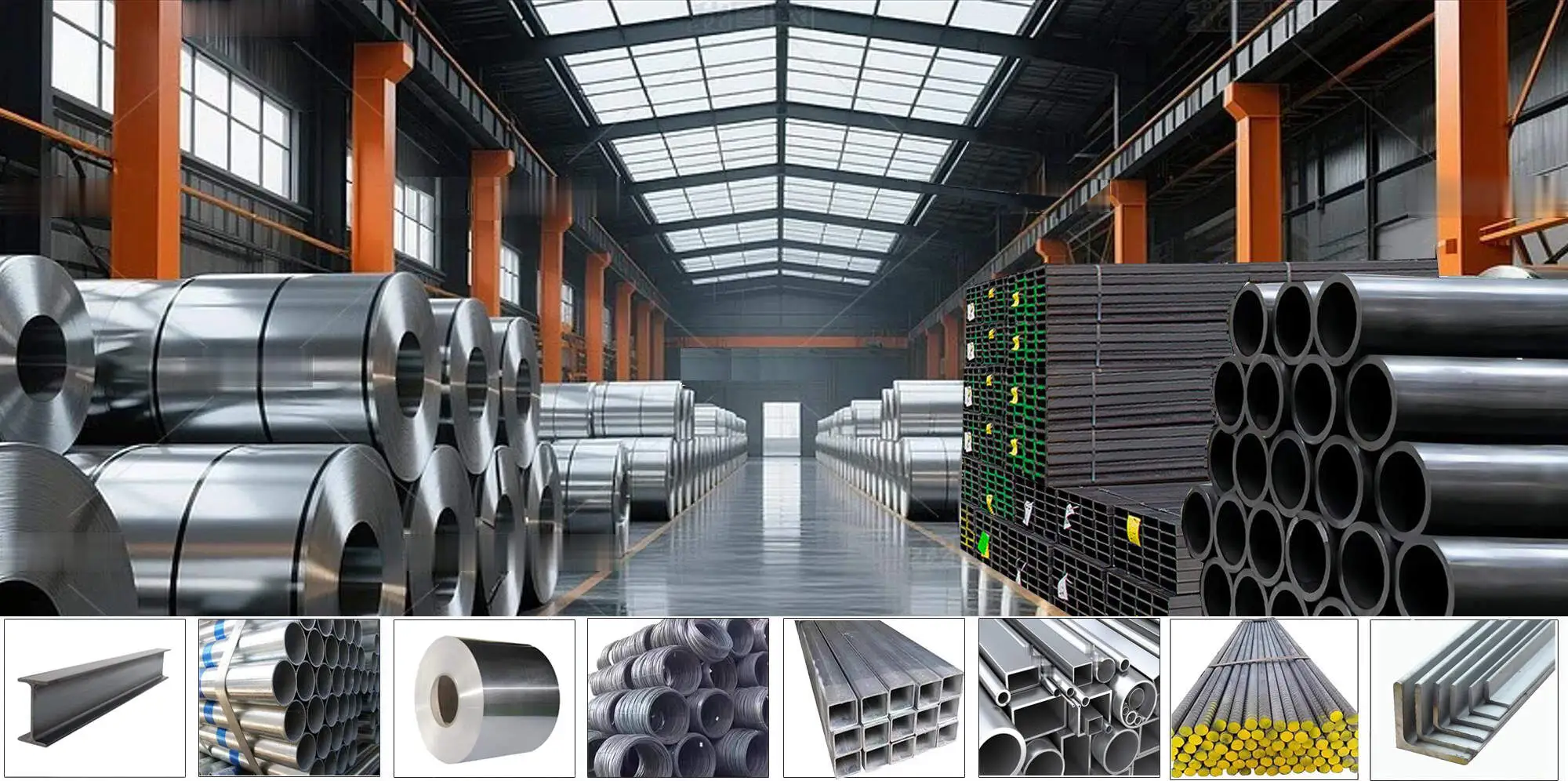
What is ASTM A53 galvanized steel pipe?

ASTM A53 is a standard established by the American Society for Testing and Materials (ASTM) for seamless and welded carbon steel pipes, covering black steel pipes and hot-dip galvanized steel pipes. This standard is primarily intended for mechanical and pressure applications and is widely used in:
- Steel structure supports
- Greenhouse frames
- Scaffolding systems
- Water and gas pipelines
- Fences and guardrails
The galvanized coating provides excellent corrosion resistance, significantly extending the service life of steel pipes in outdoor or humid environments.
Step 1: Identify the Grade and Type of ASTM A53
When selecting ASTM A53 galvanized steel pipes, you must first distinguish between their grades and types.
| Category | Options | Applications |
| Type | Type E(Resistance welding) | General structure, low-pressure piping |
| Type S(Seamless) | High-pressure, harsh operating conditions | |
| Type F(Furnace welding) | Non-critical structures (less commonly used) | |
| Level
|
Grade A | Low-carbon steel, with good ductility and easy to machine |
| Grade B | Higher strength, suitable for load-bearing structures |
Recommendations:
- Standard structures or greenhouse frames: Type E Grade B offers better value for money.
- High-pressure fluid conveyance or critical load-bearing applications: Select Type S Grade B.
Step 2: Distinguishing Galvanizing Processes
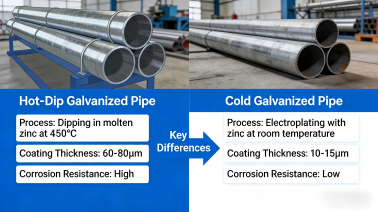
The galvanizing method directly determines the corrosion resistance and service life of steel pipes. In the ASTM A53 standard, the galvanized coating is typically applied using the hot-dip galvanizing process.
| Galvanizing Methods | Coating thickness | Corrosion resistance | Applicable Standards |
| Hot-dip galvanizing | ≥ 45 μm | Excellent; outdoor lifespan of up to 20 years | ASTM A53 |
| Electrogalvanized (pre-galvanized) | 5–15 μm | Generally, suitable only for indoor or dry environments | Non-ASTM A53 |
When placing an order, be sure to confirm that the supplier uses the hot-dip galvanizing process and request a coating thickness test report.
Step 3: Confirm Key Dimensions and Tolerances
The sizing system for ASTM A53 galvanized steel pipes is based on nominal diameter (NPS) and outside diameter (OD). The following are common specifications for reference:
| Nominal Pipe Size
(NPS) |
Outer Diameter
(mm) |
Wall Thickness
(Schedule) |
Common Applications |
| 1/2″ | 21.3 | Sch 40 / 80 | Small fluid pipes |
| 3/4″ | 26.7 | Sch 40 | Water and air lines |
| 1″ | 33.4 | Sch 40 | Structural support |
| 1-1/2″ | 48.3 | Sch 40 | Greenhouse frames, scaffolding |
| 2″ | 60.3 | Sch 40 | Columns, Heavy-duty structures |
| 4″ | 114.3 | Sch 40 | Main water pipes, long-span structures |
For greenhouse or scaffolding projects, a 48.3 mm (1-1/2″) outer diameter is the standard choice, as it meets the modular requirements for scaffolding tubes.
Step 4: Evaluate Mechanical Properties
ASTM A53 specifies clear requirements for mechanical properties across different grades. If you require a load-bearing or wind-resistant structure, Grade B should be your first choice.
| Level | Tensile strength
(MPa) |
Yield strength
(MPa) |
Applications |
| Grade A | ≥ 330 | ≥ 205 | General Fabrication, Bending |
| Grade B | ≥ 415 | ≥ 240 | Load-bearing structures, high-pressure pipelines |
Step 5:of Load-Bearing Structures: Selecting a Reliable Supplier
In China, Tianjin is a major global production hub for galvanized steel pipes, boasting a complete industrial chain and extensive export experience. When selecting an ASTM A53 galvanized steel pipe manufacturer in Tianjin, we recommend considering the following factors:
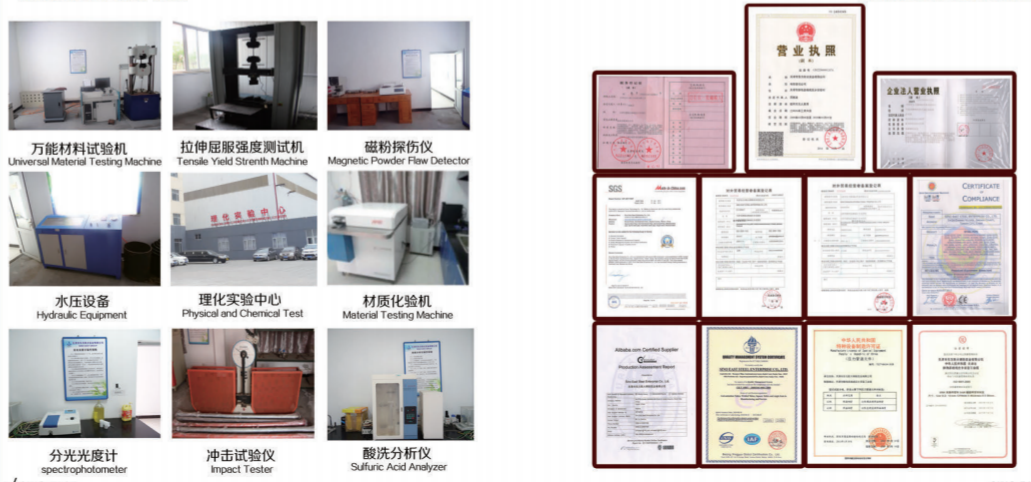
- Certifications: Does the manufacturer hold ASTM A53 certification and ISO 9001 quality management system certification?
- Testing Capabilities:Can they provide material certificates, galvanized coating thickness reports, and hydrostatic test reports?
- Export Experience: Are they familiar with the destination country’s customs clearance requirements and packaging standards (e.g., bundling, spray marking, end cap protection), as well as high-pressure pipelines?
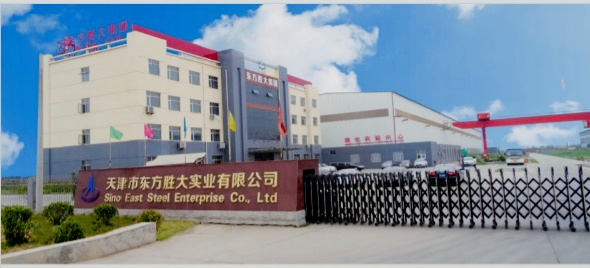
After completing the above rigorous evaluation, if you are seeking a steel Steel supplier capable of meeting high standards across the board, Sino East Steel Group Enterprise co.,Ltd is well worth your closer examination.
As a seasoned steel manufacturer with 17 years of industry experience, the company consistently prioritize safety and quality above all else:
1 Full Qualifications:We hold ISO Quality Management System Certification. Recognized as a high-tech enterprise by local authorities, we ensure compliance from the source.
2 Full-Process Quality Monitoring: A comprehensive management system has been established covering laboratory R&D, raw material procurement, manufacturing, monitoring and control, transportation, and after-sales service.
3 Full-Process Service: We not only provide high-quality steel products, but also offer full-cycle services ranging from design support and installation guidance to long-term maintenance,serving as a reliable partner for your projects.
We believe that true reliability stands up to scrutiny at every step of the process.
Step 6: Identify the Application
Requirements for ASTM A53 galvanized steel pipes vary significantly depending on the project. The following are key selection criteria for common applications:
| Applications | Level | Type | Key Requirements |
| Greenhouse Frame | Grade B | Type E | Outer diameter: 48.3 mm; uniform zinc coating; no burrs |
| Scaffolding upright | Grade B | Type E | Wall thickness ≥ 3.2 mm, smooth welds, and reliable pressure resistance |
| Water pipeline | Grade B | Type E/S | Pressure rating compatibility, thread end machining specifications |
| Steel Structure Bracing | Grade B | Type E | Square or round tubes, with strict dimensional tolerances |
| Guardrail/Fence | Grade A | Type E | Smooth surface, easy to bend |
Common Procurement Pitfalls and Recommendations for Avoiding Them
Pitfall 1: Equating “Galvanized Steel Pipe” with ASTM A53
Not all galvanized steel pipes comply with the ASTM A53 standard. Some low-cost products use Q195 or Q215 base materials, which fail to meet the required strength and chemical composition standards.
Recommendation: Require suppliers to provide material certificates and a Declaration of Conformity to ASTM A53.
Misconception 2: Ignoring Galvanized Coating Thickness
To reduce costs, some suppliers apply a galvanized coating of only 20–30 μm, which is far below the hot-dip galvanizing requirements of ASTM A53.
Recommendation: Request a galvanized coating thickness test report and conduct on-site spot checks.
Misconception 3: Confusing the prices and performance of Type E and Type S
Type S seamless pipes are typically 15%–30% more expensive than Type E resistance-welded pipes, but seamless pipes are not required for all structures.
Recommendation: Unless there are high-pressure or special safety requirements, prioritize Type E.
Selecting the right ASTM A53 galvanized steel pipes not only ensures project safety but also effectively controls lifecycle costs. Before purchasing, it is recommended to communicate thoroughly with manufacturers that have export experience and comprehensive testing capabilities to clarify technical specifications and quality standards.