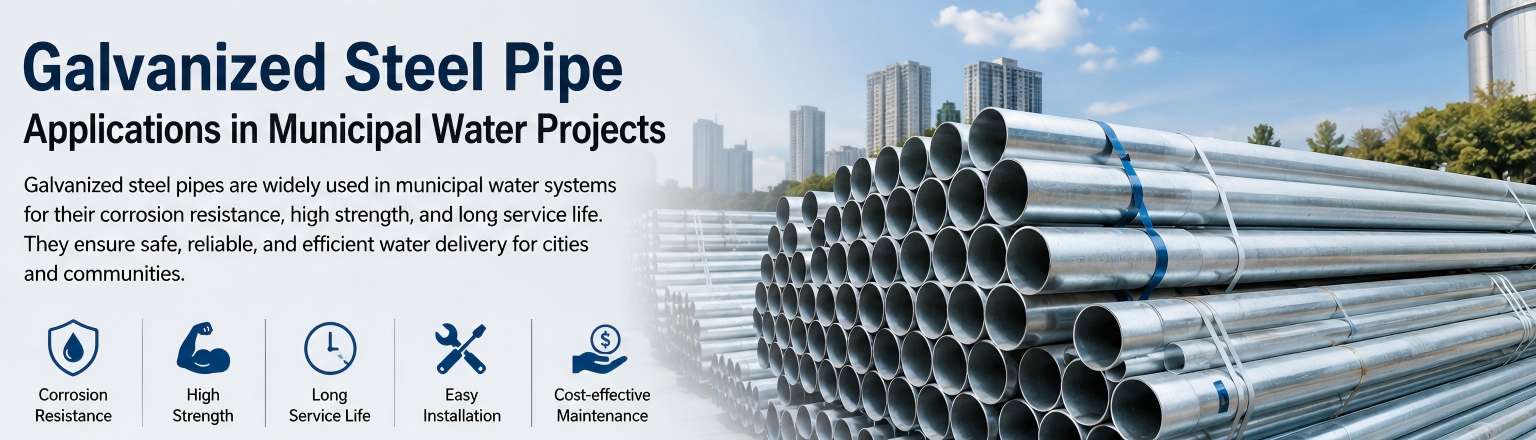
Galvanized Steel Pipe Applications in Municipal Water Projects
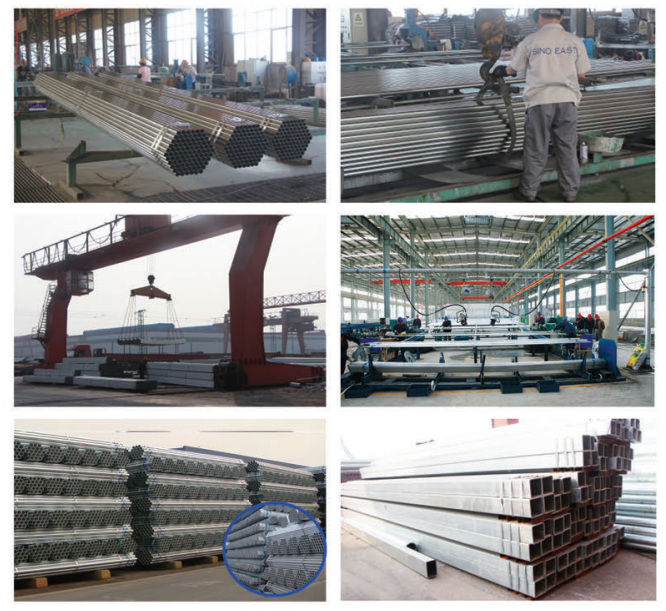
Municipal water infrastructure is the backbone of every modern city. From potable water distribution and fire protection systems to drainage and utility networks, the quality of piping materials directly affects the safety, durability, and operational efficiency of public infrastructure. Among the many piping materials available today, galvanized steel pipes remain a reliable solution for a wide range of municipal water projects due to their excellent corrosion resistance, mechanical strength, and long service life.
In this article, we’ll explore the key applications, benefits, selection criteria, and maintenance considerations of galvanized steel pipes in municipal water engineering.
What Is a Galvanized Steel Pipe?
A galvanized steel pipe is a carbon steel pipe coated with a protective layer of zinc through either hot-dip galvanizing or electro-galvanizing. The zinc coating acts as a sacrificial barrier that protects the underlying steel from corrosion caused by moisture, chemicals, and environmental exposure.
Hot-dip galvanized pipes are particularly popular in municipal infrastructure because they provide thicker zinc coatings and superior durability for outdoor installations and underground applications.
Key Characteristics
- Excellent corrosion resistance
- High mechanical strength
- Long service life
- Easy installation and welding
- Cost-effective maintenance
- Suitable for outdoor and underground environments
These characteristics make galvanized steel pipes an ideal choice for municipal engineering projects that require reliability over decades of operation.
Why Municipal Water Projects Choose Galvanized Steel Pipes
Municipal water systems operate continuously under varying pressure, temperature, and environmental conditions. Pipe failures can result in water loss, service interruptions, and costly repairs.
Galvanized steel pipes provide several advantages that help municipalities reduce lifecycle costs while maintaining dependable infrastructure.
Superior Corrosion Protection
One of the biggest challenges for buried or exposed pipelines is corrosion. The zinc coating protects the steel surface from rust and oxidation.
Even if the coating is scratched during transportation or installation, zinc continues protecting exposed steel through sacrificial corrosion, significantly extending pipeline lifespan.
High Structural Strength
Compared with plastic pipes, galvanized steel pipes offer excellent impact resistance and pressure-bearing capacity.
They are particularly suitable for:
- High-pressure water transmission
- Road crossings
- Industrial districts
- Municipal utility corridors
- Bridge pipeline installations
Their strength minimizes deformation under heavy traffic loads and changing soil conditions.
Long Service Life
With proper installation and maintenance, hot-dip galvanized steel pipes can operate efficiently for several decades.
Longer service life means:
- Lower replacement frequency
- Reduced maintenance costs
- Better return on infrastructure investment
- Improved public service reliability
Main Applications in Municipal Water Projects
Galvanized steel pipes are widely used throughout municipal engineering systems.
1. Potable Water Distribution Networks
One of the most common applications is clean water transportation.
Galvanized steel pipes provide:
- Stable water delivery
- Strong pressure resistance
- Reliable leak prevention
- Good mechanical protection
Many municipalities use galvanized pipes for secondary water distribution, service connections, and building supply systems.
2. Fire Protection Systems
Fire protection requires pipelines capable of remaining reliable under emergency conditions.
Galvanized steel pipes are commonly installed in:
- Fire hydrant systems
- Sprinkler networks
- Fire pump stations
- Emergency water supply lines
Their corrosion resistance helps ensure system readiness even after years of standby operation.
3. Drainage Infrastructure
Municipal drainage systems often encounter moisture, chemicals, and changing weather conditions.
Galvanized steel pipes can be used for:
- Stormwater drainage
- Road drainage
- Utility drainage
- Bridge drainage systems
Their protective zinc coating reduces corrosion caused by constant water exposure.
4. Water Treatment Plants
Water treatment facilities require durable piping for transporting raw water, treated water, and auxiliary process water.
Galvanized steel pipes are suitable for:
- Pump connections
- Equipment piping
- Utility water systems
- Chemical dosing support systems
Their strength supports stable plant operation under continuous service.
5. Municipal Infrastructure Upgrades
Many cities continue upgrading aging water networks.
Galvanized steel pipes are frequently selected for:
- Water pipeline replacement
- Urban renewal projects
- Infrastructure rehabilitation
- Utility expansion
Their compatibility with existing steel pipeline systems simplifies renovation work.
Advantages Compared with Other Pipe Materials
Different piping materials offer different strengths.
| Material | Corrosion Resistance | Mechanical Strength | Cost Efficiency | Typical Municipal Applications |
|---|---|---|---|---|
| Galvanized Steel Pipe | Excellent | Excellent | High | Water supply, fire protection |
| PVC Pipe | Very Good | Moderate | High | Low-pressure water systems |
| Ductile Iron Pipe | Excellent | Excellent | Moderate | Large transmission pipelines |
| Stainless Steel Pipe | Outstanding | Excellent | Lower | High-end water facilities |
| HDPE Pipe | Excellent | Moderate | High | Underground distribution |
Galvanized steel pipes provide one of the best balances between strength, durability, and overall project cost.
Factors to Consider When Selecting Galvanized Steel Pipes
Choosing the appropriate pipe specification is essential for maximizing system performance.
Pipe Diameter
Select pipe diameters based on:
- Water flow requirements
- Pressure loss calculations
- Future expansion capacity
Proper sizing improves hydraulic efficiency.
Zinc Coating Thickness
Municipal projects typically specify thicker zinc coatings for underground or outdoor installations.
Thicker coatings provide:
- Better corrosion resistance
- Longer service life
- Lower maintenance costs
Compliance with International Standards
Quality suppliers manufacture galvanized steel pipes according to internationally recognized standards, including:
- ASTM A53
- ASTM A123
- EN 10240
- BS 1387
- ISO 1461
Certified products ensure consistent performance across large infrastructure projects.
Connection Methods
Municipal installations may require:
- Threaded connections
- Flanged joints
- Grooved couplings
- Welded connections
Selecting the correct connection method improves installation efficiency and long-term reliability.
Installation Best Practices
Proper installation significantly influences pipeline lifespan.
Recommended practices include:
- Inspect zinc coating before installation.
- Avoid excessive mechanical damage during transportation.
- Protect welded areas using zinc-rich repair coatings.
- Perform pressure testing before commissioning.
- Follow local engineering specifications.
Professional installation minimizes leakage risks and maximizes corrosion protection.
Maintenance Considerations
Although galvanized steel pipes require relatively little maintenance, periodic inspections remain important.
Routine maintenance should include:
- Visual inspection for coating damage
- Leak detection
- Joint inspection
- Corrosion monitoring in aggressive environments
- Scheduled cleaning where necessary
Preventive maintenance helps extend service life while reducing unexpected failures.
Future Trends in Municipal Water Infrastructure
As cities continue investing in smart infrastructure, pipe materials must deliver higher durability, sustainability, and cost efficiency.
Modern hot-dip galvanized steel pipes increasingly feature:
- Improved zinc coating technology
- Better corrosion resistance
- Enhanced manufacturing precision
- Lower lifecycle costs
- Greater environmental sustainability through recyclability
Combined with digital pipeline monitoring systems, galvanized steel pipes continue playing an important role in resilient urban infrastructure.
Choosing a Reliable Galvanized Steel Pipe Supplier
The performance of municipal water systems depends not only on pipe materials but also on supplier capabilities.
A qualified supplier should provide:
- Certified manufacturing processes
- International quality standards
- Custom sizes and specifications
- Strict quality inspection
- Stable global supply capacity
- Professional technical support
- Fast delivery for infrastructure projects
Working with an experienced manufacturer helps ensure consistent product quality and successful project execution.
Conclusion
Galvanized steel pipes continue to be a trusted solution for municipal water projects around the world. Their excellent corrosion resistance, high structural strength, long service life, and cost-effectiveness make them suitable for potable water distribution, fire protection, drainage systems, water treatment plants, and urban infrastructure upgrades.
As municipalities seek durable and sustainable infrastructure solutions, hot-dip galvanized steel pipes remain a practical investment that balances performance with long-term value. By selecting high-quality products from experienced manufacturers and following proper installation and maintenance practices, project owners can significantly improve the reliability and longevity of municipal water systems.