
The Rise of Southeast Asia as a Steel Manufacturing Hub
Introduction
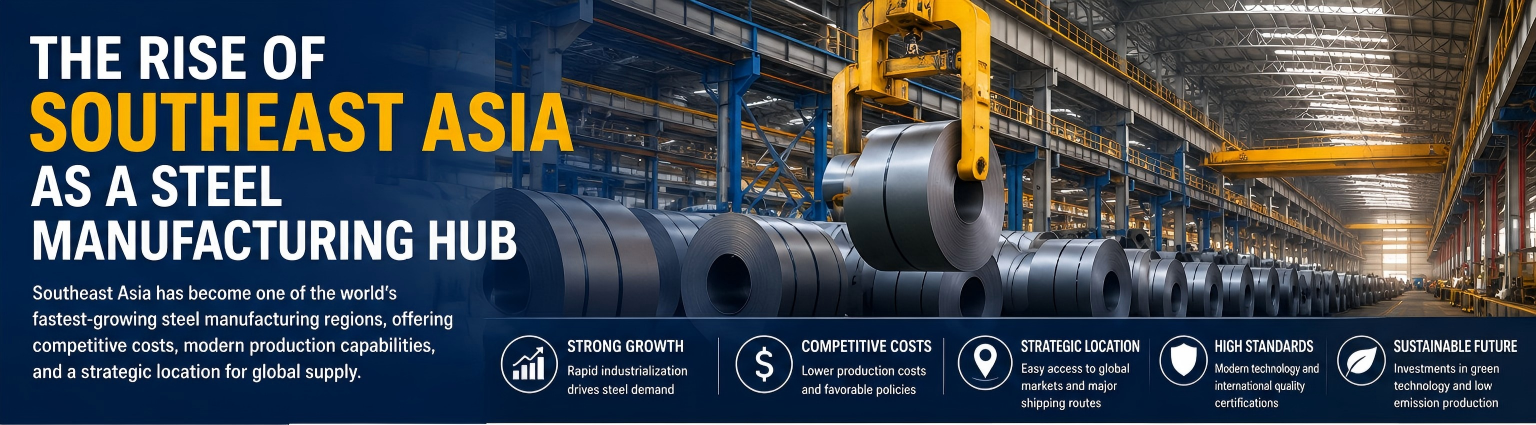
Over the past decade, Southeast Asia has emerged as one of the world’s fastest-growing steel manufacturing regions. Driven by rapid industrialization, infrastructure investment, favorable government policies, and shifting global supply chains, countries such as Vietnam, Indonesia, Thailand, and Malaysia are transforming into major steel production and export centers.
As manufacturers seek alternatives to traditional sourcing markets, Southeast Asia offers a compelling combination of competitive production costs, strategic geographic location, expanding domestic demand, and improving manufacturing capabilities. Today, global buyers are increasingly turning to Southeast Asian steel suppliers for high-quality steel products that meet international standards while maintaining cost efficiency.
This article explores why Southeast Asia has become a global steel manufacturing hub and what it means for international buyers.
Why Southeast Asia Is Becoming a Global Steel Hub
1. Strong Economic Growth Drives Steel Demand
Southeast Asia remains one of the fastest-growing economic regions in the world. Urbanization, industrial expansion, and rising investments in transportation, energy, and real estate have significantly increased steel consumption.
Large-scale infrastructure projects—including highways, airports, ports, railways, industrial parks, and commercial buildings—require massive quantities of structural steel, reinforcing bars, steel plates, and steel pipes.
This growing domestic demand has encouraged both local producers and international investors to expand steel manufacturing capacity across the region.
2. Competitive Manufacturing Costs
Compared with many developed countries, Southeast Asian manufacturers benefit from relatively lower labor costs and operating expenses.
Lower production costs allow steel mills to offer competitive pricing without sacrificing product quality. In addition, many countries provide tax incentives, export support, and industrial development programs that further improve manufacturing competitiveness.
These cost advantages make Southeast Asia an attractive sourcing destination for construction companies, machinery manufacturers, automotive suppliers, and industrial distributors worldwide.
3. Strategic Geographic Location
Located between East Asia, South Asia, and Oceania, Southeast Asia serves as an important logistics hub for international trade.
Major shipping routes pass through the region, enabling efficient transportation to markets including:
- North America
- Europe
- Australia
- The Middle East
- Africa
With well-developed ports and expanding logistics infrastructure, steel exporters can reduce shipping time and transportation costs compared to suppliers located farther away.
Key Steel Manufacturing Countries in Southeast Asia
Vietnam
Vietnam has become one of the fastest-growing steel producers in Asia.
Its steel industry has expanded rapidly due to:
- Foreign direct investment
- Export-oriented manufacturing
- Growing construction demand
- Modern production facilities
Vietnam now exports various steel products including:
- Hot rolled coil (HRC)
- Cold rolled steel
- Galvanized steel
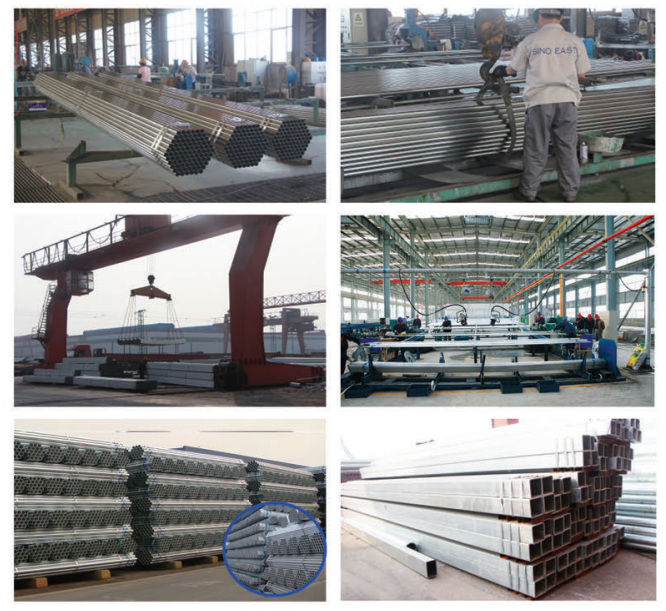
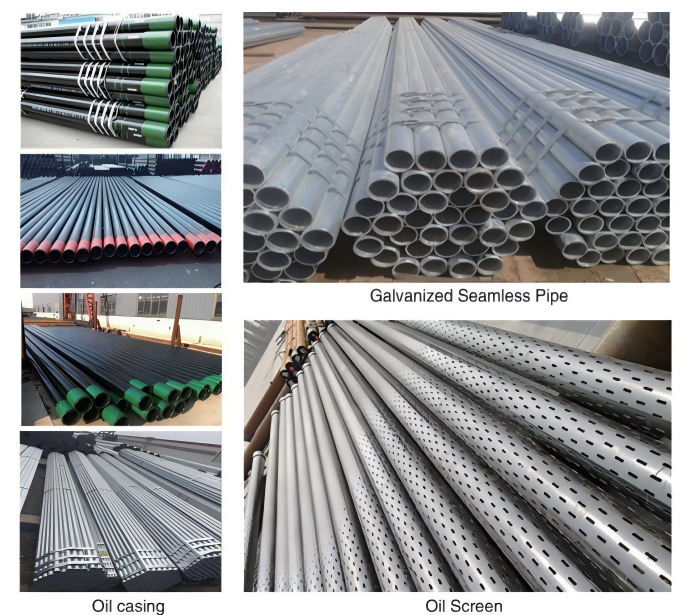
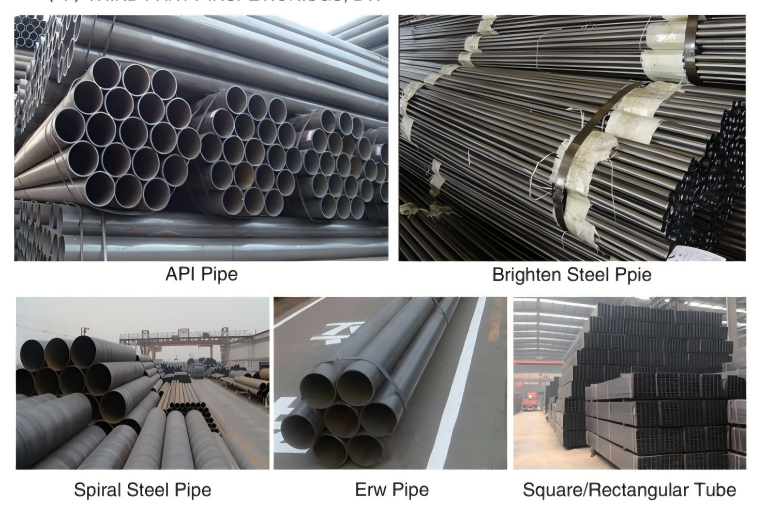
- Steel pipes
- Structural steel
Many Vietnamese manufacturers comply with ASTM, JIS, EN, and ISO quality standards, making them attractive suppliers for global markets.
Indonesia
Indonesia possesses abundant natural resources, including iron ore and nickel, providing a strong foundation for steel production.
Government investment in downstream industries has encouraged the construction of integrated steel plants capable of producing:
- Carbon steel
- Stainless steel
- Alloy steel
- Steel plates
- Steel coils
Indonesia’s large domestic market also supports continuous industry expansion.
Thailand
Thailand has long been an important manufacturing base for Southeast Asia.
Its steel industry primarily supports:
- Automotive manufacturing
- Home appliances
- Construction
- Machinery production
Thai steel processors specialize in value-added products such as precision steel tubes, coated steel, and fabricated steel components.
Malaysia
Malaysia combines advanced manufacturing capabilities with excellent port infrastructure.
Steel manufacturers in Malaysia produce:
- Steel bars
- Wire rods
- Steel sections
- Pipes and tubes
- Galvanized products
Its stable business environment attracts buyers seeking reliable long-term supply partnerships.
Growing Foreign Investment
Many international steel companies have invested heavily in Southeast Asia.
Reasons include:
- Diversification of manufacturing locations
- Reduced geopolitical risks
- Lower production costs
- Access to regional free trade agreements
New production facilities equipped with advanced rolling mills, automated production lines, and environmentally friendly technologies continue to improve both productivity and product quality.
As a result, Southeast Asia’s manufacturing standards are approaching those of traditional steel-producing nations.
Advantages for Global Buyers
Reliable Supply Chain
Diversifying sourcing beyond a single country helps businesses reduce supply chain risks.
Purchasing steel from Southeast Asian manufacturers provides greater flexibility while improving resilience against global disruptions.
Competitive Pricing
Efficient production, lower labor costs, and favorable export conditions enable suppliers to offer attractive prices across a wide range of steel products.
For importers, this often translates into lower procurement costs and improved profit margins.
High Manufacturing Standards
Leading steel manufacturers in Southeast Asia increasingly invest in:
- Modern production equipment
- Automated quality inspection
- Advanced metallurgical testing
- Environmental management systems
Many factories hold internationally recognized certifications such as:
- ISO 9001
- ISO 14001
- CE certification
- ASTM compliance
- JIS standards
These certifications help ensure consistent product quality and global market acceptance.
Product Diversity
Steel suppliers across Southeast Asia offer a comprehensive range of products, including:
- Hot rolled steel
- Cold rolled steel
- Galvanized steel
- Stainless steel
- Carbon steel
- Steel coils
- Steel sheets
- Steel plates
- Steel pipes
- Structural steel
- Reinforcing bars
- Customized steel fabrication
This wide product portfolio allows buyers to source multiple products from a single region.
Sustainability Is Becoming a Competitive Advantage
Environmental responsibility is becoming increasingly important in the global steel industry.
Many Southeast Asian steel manufacturers are investing in:
- Energy-efficient production
- Electric arc furnace (EAF) technology
- Scrap steel recycling
- Carbon emission reduction
- Wastewater treatment systems
These initiatives not only support global sustainability goals but also help manufacturers meet stricter environmental requirements from international customers.
Green steel production is expected to become an important competitive advantage over the coming years.
Future Outlook
The future of Southeast Asia’s steel industry remains highly promising.
Several long-term trends will continue supporting growth:
- Continued urbanization
- Infrastructure development
- Manufacturing expansion
- Rising foreign investment
- Supply chain diversification
- Green manufacturing initiatives
- Digital transformation in production
As global companies seek reliable and diversified sourcing options, Southeast Asia is expected to strengthen its position as one of the world’s leading steel manufacturing hubs.
Conclusion
Southeast Asia has rapidly evolved from an emerging manufacturing region into a significant player in the global steel industry. Competitive costs, strategic location, expanding production capacity, modern manufacturing technology, and strong government support have created an attractive environment for both steel producers and international buyers.
For businesses looking to secure stable supply chains, competitive pricing, and high-quality steel products, Southeast Asia offers substantial opportunities. As the region continues to invest in innovation and sustainable manufacturing, its role in the global steel market is likely to become even more influential in the years ahead.
Whether you are sourcing steel coils, structural steel, galvanized products, or customized fabrication services, partnering with a trusted Southeast Asian steel manufacturer can help your business remain competitive in an increasingly dynamic global marketplace.
⚡ Quick RFQ & Instant CIF Quotation
Inquiring about The Rise of Southeast Asia as a Steel Manufacturing Hub? Contact our export engineering team for 2026 FOB/CIF pricing, MTC 3.1 certificates, and 20GP container loading calculations.

