
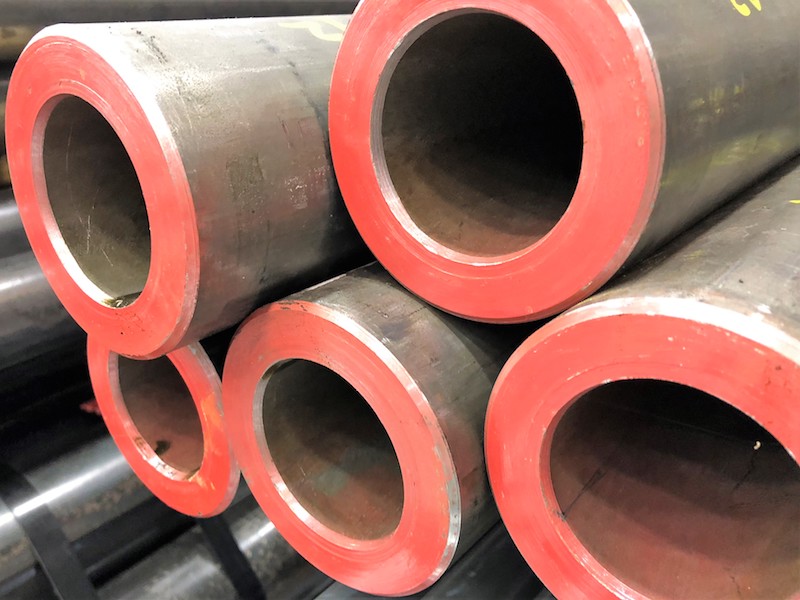
Steel Pipe Wall Thickness: How Does It Affect Performance?
Introduction
Steel pipes are widely used in industries such as construction, oil and gas, mechanical engineering, water transportation, and manufacturing. While factors like steel grade, outer diameter, and pipe length are often considered during selection, steel pipe wall thickness is one of the most critical parameters that directly affects pipe performance, durability, and application suitability.
The wall thickness of a steel pipe determines its strength, pressure resistance, weight, corrosion allowance, and overall service life. Choosing the wrong thickness can lead to premature failure, increased maintenance costs, or unnecessary material expenses.
In this article, we will explain how steel pipe wall thickness affects performance, what factors influence thickness selection, and how to choose the right steel pipe thickness for different industrial applications.
What Is Steel Pipe Wall Thickness?
Steel pipe wall thickness refers to the measurement of the distance between the outer surface and the inner surface of a pipe wall. It is usually expressed in millimeters (mm) or according to industry standards such as Schedule (SCH) classifications.
For example:
- Thin-wall steel pipes are commonly used for low-pressure applications and lightweight structures.
- Thick-wall steel pipes are designed for high-pressure environments requiring enhanced strength and durability.
The relationship between outer diameter and wall thickness determines the pipe’s internal diameter, weight, and mechanical performance.
A basic formula for calculating steel pipe wall thickness is:
Wall Thickness = (Outer Diameter – Inner Diameter) / 2
Although this calculation is simple, selecting the correct thickness requires considering pressure requirements, temperature conditions, material strength, and environmental factors.
How Does Steel Pipe Wall Thickness Affect Performance?
1. Pressure Resistance and Structural Strength
One of the most important effects of steel pipe wall thickness is its ability to withstand internal and external pressure.
A thicker pipe wall provides:
- Higher pressure resistance
- Better structural stability
- Improved resistance against deformation
In applications such as oil pipelines, hydraulic systems, and pressure vessels, pipes are exposed to high internal pressure. If the wall thickness is insufficient, the pipe may experience:
- Cracking
- Bulging
- Leakage
- Sudden failure
For high-pressure applications, engineers usually select thicker steel pipes to ensure safe operation and longer service life.
2. Impact on Pipe Durability and Service Life
Steel pipes often operate in harsh environments, including extreme temperatures, chemical exposure, and mechanical stress. Wall thickness plays a key role in determining how long a pipe can maintain reliable performance.
A thicker wall provides additional material that can withstand:
- Corrosion loss
- Abrasion
- External impact
- Mechanical wear
For example, underground steel pipelines may experience soil corrosion over decades. A thicker wall allows for a larger corrosion allowance, extending the pipeline’s operational lifespan.
However, excessive thickness does not always mean better performance. Overly thick pipes may increase project costs and installation difficulties without providing significant benefits.
3. Influence on Pipe Weight and Installation Costs
Steel pipe wall thickness directly affects pipe weight.
A thicker wall means:
- More steel material is required
- The pipe becomes heavier
- Transportation costs increase
- Installation requires more labor and equipment
For large-scale projects, such as steel structures or industrial piping systems, weight considerations are extremely important.
Engineers must balance strength requirements with economic efficiency. The ideal steel pipe thickness provides sufficient performance while minimizing unnecessary material usage.
4. Effect on Flow Capacity
Wall thickness also affects the internal diameter of a steel pipe, which directly influences fluid flow capacity.
For pipes with the same outside diameter:
- A thinner wall creates a larger internal diameter.
- A thicker wall reduces the internal diameter.
A smaller internal diameter can result in:
- Reduced flow rate
- Increased pressure loss
- Higher pumping requirements
In industries such as water supply, chemical processing, and oil transportation, selecting the correct wall thickness is essential to maintain efficient fluid movement.
5. Resistance to External Forces
Steel pipes are not only affected by internal pressure. Many applications expose pipes to external forces, including soil pressure, mechanical loads, and impact.
Thicker steel pipe walls improve resistance against:
- Bending forces
- Crushing pressure
- External impact
- Buckling
This is especially important for:
- Underground pipelines
- Offshore structures
- Bridge construction
- Heavy machinery applications
A suitable wall thickness ensures that the pipe maintains its shape and function under challenging conditions.
Factors That Determine Steel Pipe Wall Thickness Selection
Choosing the correct steel pipe wall thickness depends on several factors.
1. Operating Pressure
The higher the working pressure, the thicker the pipe wall generally needs to be.
Engineers calculate required thickness based on:
- Internal pressure
- Pipe diameter
- Material strength
- Safety factors
High-pressure systems require carefully engineered thickness specifications to prevent failure.
2. Application Environment
The working environment has a major impact on thickness selection.
Considerations include:
- Temperature changes
- Chemical exposure
- Corrosion risk
- Outdoor conditions
For corrosive environments, additional wall thickness may be required to compensate for material loss over time.
3. Steel Material Grade
Different steel grades have different mechanical properties.
High-strength steel grades may achieve the required performance with thinner walls compared with lower-strength materials.
Common steel pipe materials include:
- Carbon steel
- Stainless steel
- Alloy steel
Material selection and wall thickness should always be evaluated together.
4. Industry Standards and Specifications
Steel pipe thickness is usually manufactured according to international standards, including:
- ASTM standards
- API specifications
- ASME requirements
- EN standards
These standards define acceptable dimensions, tolerances, and performance requirements for different applications.
Following industry standards ensures safety, compatibility, and reliable operation.
Thin Wall vs. Thick Wall Steel Pipe: Which Is Better?
Both thin-wall and thick-wall steel pipes have their advantages.
Thin Wall Steel Pipe Advantages:
- Lower material cost
- Reduced weight
- Easier transportation
- Suitable for low-pressure applications
Typical uses:
- Furniture manufacturing
- Light structures
- Decorative applications
- Low-pressure fluid systems
Thick Wall Steel Pipe Advantages:
- Higher strength
- Better pressure resistance
- Longer service life
- Improved impact resistance
Typical uses:
- Oil and gas pipelines
- Heavy construction
- Industrial equipment
- Pressure systems
The best choice depends on performance requirements, budget, and operating conditions.
How to Choose the Right Steel Pipe Wall Thickness?
When selecting steel pipe thickness, consider the following steps:
1. Define Application Requirements
Determine:
- Working pressure
- Temperature range
- Fluid type
- Environmental conditions
2. Select Appropriate Material
Choose a steel grade that matches strength and corrosion requirements.
3. Calculate Required Thickness
Engineers should calculate minimum thickness based on design standards and safety factors.
4. Consider Future Operating Conditions
Allow extra thickness if the pipe will face:
- Long-term corrosion
- Heavy mechanical loads
- Extreme environments
5. Work With a Reliable Supplier
A professional steel pipe manufacturer can provide:
- Accurate dimensions
- Quality certifications
- Technical support
- Customized solutions
Conclusion
Steel pipe wall thickness plays a crucial role in determining pipe performance, safety, and service life. It affects pressure resistance, durability, weight, flow efficiency, and resistance to external forces.
Choosing the correct wall thickness is not simply about selecting the thickest pipe. The ideal solution requires balancing strength requirements, operating conditions, material properties, and cost efficiency.
Whether used in construction, energy, manufacturing, or industrial systems, properly selected steel pipe wall thickness ensures reliable performance and long-term value.
When purchasing steel pipes, always consider application requirements and work with experienced suppliers who can provide professional guidance and high-quality products.
When selecting wall thickness for your next project, working with a factory-direct seamless steel pipe manufacturer and supplier ensures you get the exact schedule, grade and mill test certificate you need at the best price. Sino East Steel Group in Tianjin, China supplies ASTM A106, A53 and API 5L seamless pipes with MOQ from 5 tons – request a quote within 24 hours.

