Steel Pipe Market in Peru 2026: Trends, Specifications and Top Suppliers
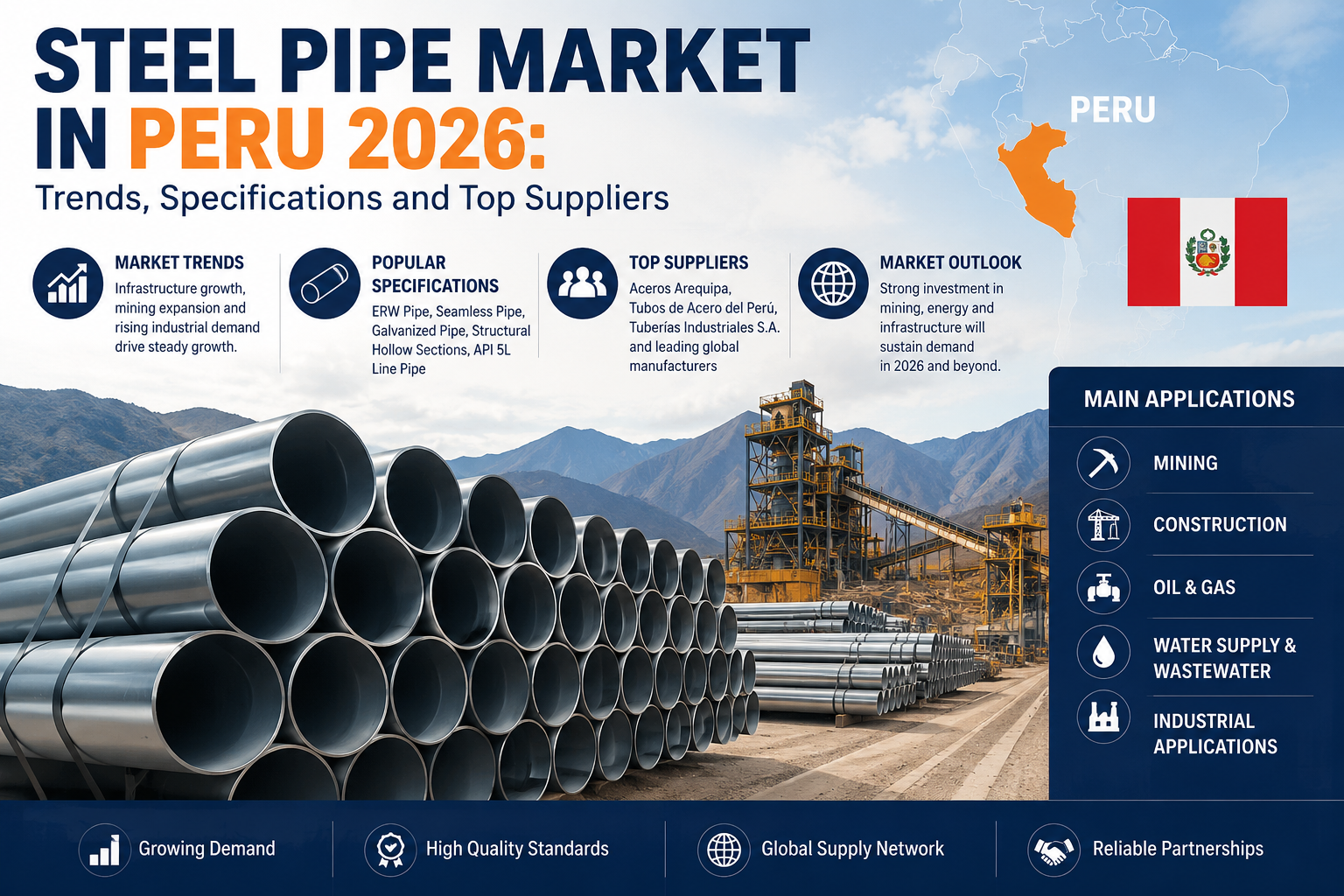 Steel Pipe Market in Peru 2026: Trends, Specifications and Top Suppliers
As Peru continues to expand its infrastructure, mining, and energy sectors, the country’s steel pipe market is entering a new phase of growth. As one of Latin America’s leading mining nations, Peru possesses abundant reserves of copper, zinc, silver, and other valuable minerals. The mining and construction industries remain key pillars of the national economy. In 2026, with several large-scale mining, port, water transmission, and oil & gas projects moving forward, demand for steel pipes is expected to maintain steady growth.
For global steel pipe manufacturers and exporters, Peru has become one of the most promising markets in South America. This article explores the key trends, popular specifications, major applications, and leading suppliers shaping Peru’s steel pipe market in 2026.
Peru Steel Pipe Market Overview
In recent years, the growth of Peru’s steel pipe market has been primarily driven by the following sectors:
- Mining projects
- Construction and infrastructure development
- Oil and gas transportation
- Water supply and wastewater treatment
- Industrial manufacturing
Industry analysts expect mining, construction, and energy projects to remain the primary growth engines for steel pipe demand over the coming years. Peru’s government continues to invest in national infrastructure modernization, while a robust pipeline of mining investments creates long-term opportunities for steel pipe suppliers.
Key Trends Shaping Peru Steel Pipe Market in 2026
1. Mining Sector Driving Steel Pipe Consumption
Peru is one of the world’s largest copper producers, and mining accounts for a significant share of the country’s exports. Numerous mining expansion and development projects are generating strong demand for slurry pipelines, structural steel pipes, and industrial piping systems.
Mining operations commonly require:
- Heavy-wall seamless steel pipes
- Wear-resistant steel pipes
- API line pipes
- Large-diameter welded steel pipes
As mining companies continue to modernize and expand operations, steel pipe procurement is expected to increase significantly.
2. Infrastructure Investment Boosting Demand
The Peruvian government has accelerated investments in highways, bridges, ports, and urban development projects.
Key infrastructure projects include:
- Port expansion projects
- Urban water supply systems
- Wastewater treatment facilities
- Industrial park developments
These projects create substantial demand for:
- Galvanized steel pipes
- Structural steel pipes
- ERW pipes
- Hollow sections
The modernization of logistics and transportation infrastructure is expected to generate new opportunities for steel pipe suppliers.
3. Water Supply and Wastewater Projects
Rapid urbanization is driving the expansion and upgrading of water distribution and wastewater treatment networks across Peru.
Steel pipe applications include:
- Drinking water transmission
- Sewer systems
- Irrigation projects
- Water treatment facilities
Demand for galvanized and anti-corrosion steel pipes continues to grow within this sector.
4. Growing Demand for High-Quality Imported Pipes
Although Peru has local steel production capabilities, many high-specification steel pipes still rely on imports.
Major import sources include:
- China
- United States
- South Korea
- Mexico
- Chile
Chinese manufacturers have gained a strong position in the Peruvian market due to competitive pricing, large production capacity, and extensive export experience.
Popular Steel Pipe Specifications in Peru
Different industries require different types of steel pipes. Below are the most commonly used steel pipe products in Peru.
ERW Steel Pipe
Manufacturing Process:
Electric Resistance Welding (ERW)
Standards:
- ASTM A53
- ASTM A500
- EN 10219
Size Range:
- Outside Diameter: 21.3 mm – 660 mm
- Wall Thickness: 1.5 mm – 16 mm
Applications:
- Structural construction
- Water transmission
- General industrial use
Seamless Steel Pipe
Standards:
- ASTM A106
- ASTM A53
- API 5L
Size Range:
- Outside Diameter: 21.3 mm – 610 mm
- Wall Thickness: 2 mm – 60 mm
Applications:
- Oil and gas industry
- High-pressure fluid transportation
- Mining operations
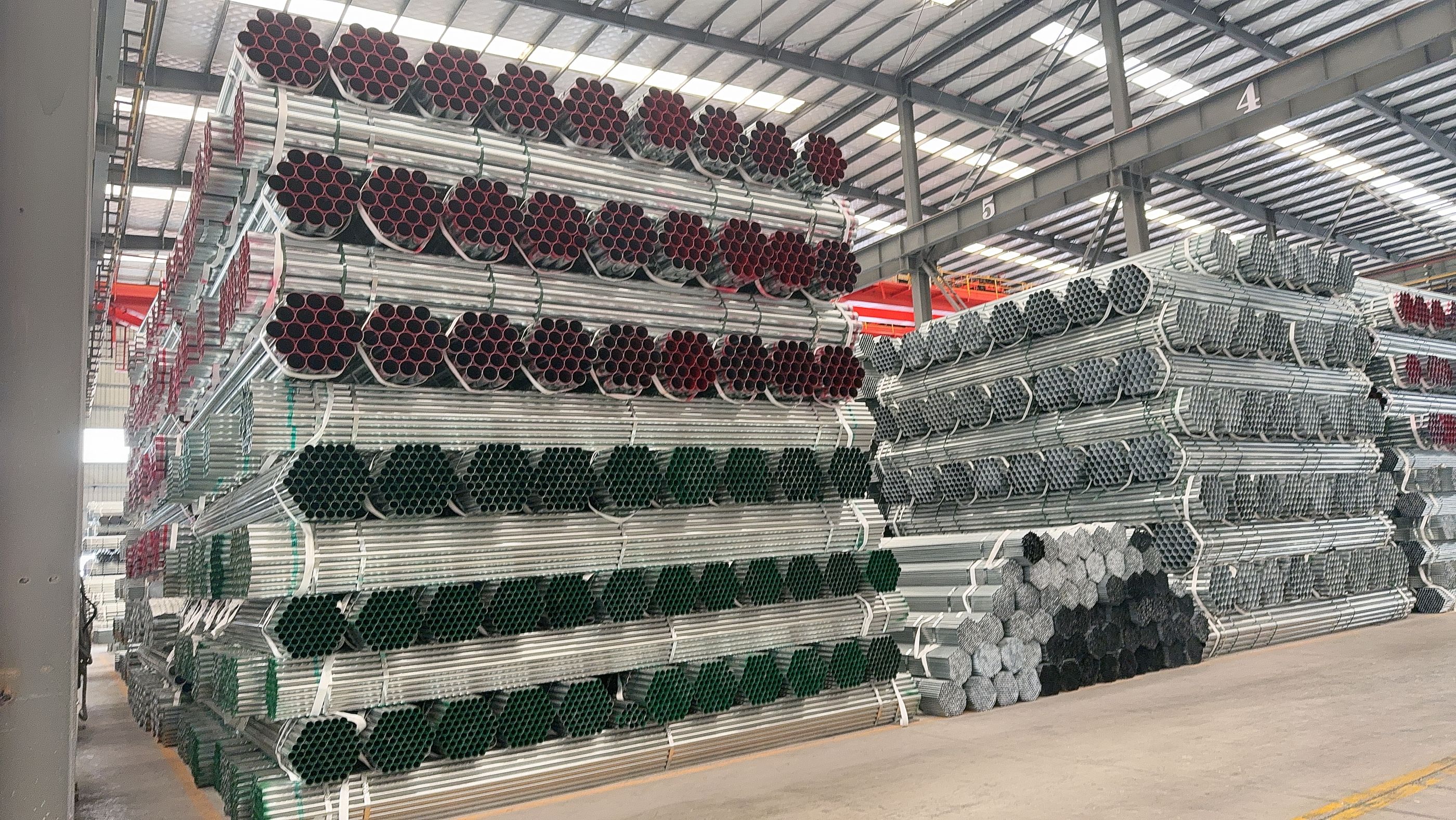
Galvanized Steel Pipe
Surface Treatment:
- Hot-dip galvanized
- Pre-galvanized
Zinc Coating Thickness:
- 40μm – 100μm
Applications:
- Water supply systems
- Fire protection systems
- Building services
Structural Hollow Sections
Includes:
- SHS (Square Hollow Sections)
- RHS (Rectangular Hollow Sections)
- Circular Structural Tubes
Standards:
- ASTM A500
- EN 10210
- EN 10219
Applications:
- Steel structures
- Warehouses
- Bridge construction
API Line Pipe
Common specifications used in oil and gas projects:
Standards:
- API 5L PSL1
- API 5L PSL2
Steel Grades:
- Grade B
- X42
- X52
- X60
- X70
Applications:
- Crude oil pipelines
- Natural gas transmission
- Long-distance transportation systems
Main End-Use Industries
Mining Industry
Mining remains one of the largest consumers of steel pipes in Peru.
Major applications include:
- Slurry pipelines
- Drilling casings
- Structural steel pipes
- Wear-resistant pipes
As new mining projects move into the construction phase, demand from this sector is expected to remain strong through 2026 and beyond.
Construction Sector
Commercial buildings, industrial facilities, and residential developments continue to support steel pipe consumption.
Common products include:
- ERW steel pipes
- Hollow sections
- Galvanized steel pipes
The construction sector remains the largest steel-consuming industry in Peru.
Oil and Gas Industry
Although Peru’s oil and gas sector is smaller than those of major producing countries, pipeline and energy infrastructure projects continue to generate stable demand.
Key products include:
- API 5L line pipes
- Seamless steel pipes
- Anti-corrosion steel pipes
Water Infrastructure
Water supply and wastewater treatment projects continue to create strong demand for steel piping systems.
Typical products include:
- Galvanized steel pipes
- Coated steel pipes
- Large-diameter welded pipes
Top Steel Pipe Suppliers in Peru Market
The following companies play important roles in Peru’s steel pipe industry.
Aceros Arequipa
One of Peru’s largest steel manufacturers.
Advantages:
- Strong domestic production capacity
- Extensive distribution network
- Wide product portfolio for construction and industrial applications
The company continues to invest in production expansion and product optimization.
Tubos de Acero del Perú
A well-known supplier specializing in steel pipe products.
Main Products:
- Industrial steel pipes
- Water transmission pipes
- Structural steel pipes
Tuberías Industriales S.A.
An important supplier serving Peru’s industrial pipe market.
Key Industries Served:
- Mining
- Construction
- Manufacturing
The company maintains a strong presence in industrial and infrastructure projects across the country.
Chinese Steel Pipe Manufacturers
Chinese steel pipe suppliers have significantly expanded their market share in Peru over the past decade.
Competitive Advantages:
- Cost-effective pricing
- Comprehensive product range
- Reliable delivery schedules
- Custom manufacturing capabilities
Major Export Products:
- ERW Steel Pipes
- SSAW Steel Pipes
- LSAW Steel Pipes
- Seamless Steel Pipes
- Galvanized Steel Pipes
For large-scale mining and infrastructure projects, Chinese manufacturers have become key sourcing partners for Peruvian buyers.
Opportunities for International Exporters
The Peruvian steel pipe market presents several attractive opportunities in 2026.
Expanding Mining Investments
Large-scale mining developments will continue to generate substantial demand for industrial and pipeline steel products.
Accelerated Infrastructure Development
New ports, highways, water systems, and industrial parks will increase procurement of structural and transmission steel pipes.
Dependence on Imported High-Specification Pipes
Products such as API line pipes, heavy-wall seamless pipes, and specialized anti-corrosion pipes still rely heavily on international suppliers.
Competitive Advantages of Chinese Manufacturers
Chinese steel pipe producers benefit from:
- Competitive manufacturing costs
- Integrated supply chains
- International certifications
- Strong export experience
These advantages position them well to capture additional market share in Peru.
Conclusion
Looking ahead to 2026, Peru’s steel pipe market is expected to continue benefiting from mining investments, infrastructure modernization, and energy sector development. ERW steel pipes, seamless steel pipes, galvanized steel pipes, and API line pipes will remain the dominant product categories.
With multiple mining, port, and water infrastructure projects underway, steel pipe demand is forecast to grow steadily. For international manufacturers and exporters, Peru offers not only a valuable standalone market but also a strategic gateway to broader opportunities across Latin America.
Companies that can provide certified products, reliable delivery, competitive pricing, and customized solutions will be well positioned to succeed in Peru’s evolving steel pipe market.