How Square Steel Pipe Is Manufactured Step-by-Step
Introduction to Square Steel Pipe: Importance in Modern Industries and Construction
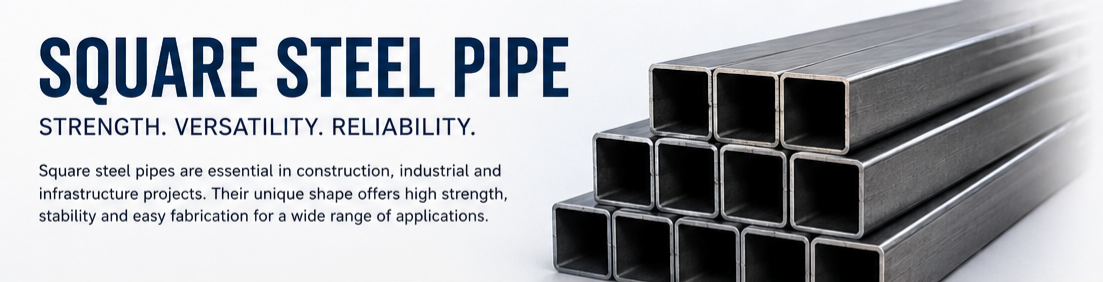
Square steel pipe is a vital component in today’s industrial and construction sectors. Its unique shape offers strength, stability, and versatility, making it a preferred choice for many structural applications. From building frameworks to industrial machinery, square steel pipes are essential for creating durable and reliable structures.
The manufacturing of square steel pipe involves precise processes that ensure high quality and consistent dimensions. As a reliable square steel pipe supplier, Sino East Steel Group specializes in producing top-grade products that meet global standards.
In modern industries, the importance of square steel pipe cannot be overstated. Its ability to withstand heavy loads and resist deformation makes it ideal for use in construction, infrastructure projects, and manufacturing. Whether for supporting walls, framing, or structural reinforcements, square steel pipe plays a crucial role in ensuring safety and longevity.
If you’re looking for custom square steel pipe manufacturing or want to understand the steel pipe forming techniques involved, knowing how these pipes are made can help you make informed decisions. Let’s explore the manufacturing process and the key characteristics that make square steel pipe a reliable choice worldwide.
What Is a Square Steel Pipe? Definition and Key Characteristics
A square steel pipe is a type of hollow structural section made from steel, shaped into a perfect square with four equal sides. It’s widely used in construction, manufacturing, and infrastructure projects because of its strength and versatility. These pipes are often called square steel tubes, and they’re known for their sturdy, uniform shape.
The main characteristic of a square steel pipe is its four straight sides and right-angled corners, which make it easy to connect and assemble. Unlike round pipes, square steel pipes provide a flat surface on all sides, making them ideal for framing, supports, and aesthetic applications. They’re made through a process called steel pipe forming, which involves shaping steel into the desired square shape.
Another key feature is the hollow interior, which reduces weight without sacrificing strength. This hollow structure allows for easy welding and fitting in various projects. Square steel pipe dimensions can vary, from small sizes for furniture to large ones used in structural frameworks. Overall, these pipes combine durability with ease of installation, making them a popular choice in many industries.
Types of Square Steel Pipes: Different Shapes and Sizes for Various Applications
Square steel pipes come in a variety of shapes and sizes, tailored for different uses. The most common type is the standard square steel pipe, which features equal sides and a hollow interior. These pipes are widely used in construction, furniture, and industrial projects.
Common Types of Square Steel Pipes
| Type | Description | Typical Use |
|---|---|---|
| Standard Square Steel Pipe | Equal sides, hollow center | Building frames, fencing, racks |
| Rectangular Steel Pipe | Slightly elongated sides | Structural supports, machinery frames |
| Heavy-Duty Square Pipe | Thicker walls for strength | Heavy industrial applications |
| Lightweight Square Pipe | Thinner walls, easier to handle | DIY projects, light structures |
Sizes and Dimensions
- Small sizes: 20x20mm, 25x25mm, 30x30mm
- Medium sizes: 50x50mm, 75x75mm, 100x100mm
- Large sizes: 150x150mm and above
The size you choose depends on your project’s strength and load requirements.
Why Different Shapes and Sizes Matter
- Application-specific: Smaller pipes for furniture, larger ones for construction.
- Strength needs: Thicker walls for heavier loads.
- Design flexibility: Rectangular pipes for aesthetic or structural reasons.
In , selecting the right type of square steel pipe involves considering the shape, size, and application. Whether you need a lightweight tube or a heavy-duty section, there’s a suitable option for your project.
Raw Materials for Manufacturing Square Steel Pipe: Steel Grades and Material Selection
Choosing the right raw materials is a crucial step in the square steel pipe manufacturing process. The most common material used is carbon steel, which offers a good balance of strength, durability, and affordability. Depending on the application, other steel grades like alloy steel or stainless steel can also be used to meet specific needs.
When selecting materials, I focus on steel grades that comply with international standards, such as ASTM, JIS, or EN. These standards ensure the steel has consistent quality, strength, and corrosion resistance. For example, carbon steel square pipes are popular for construction and industrial use because they are strong and easy to work with.
The raw materials must also be clean and free from impurities to prevent defects during the steel pipe forming techniques. High-quality raw materials help ensure the finished square steel pipe meets strict quality standards and performs reliably in its intended application.
In :
- Main materials: Carbon steel, alloy steel, stainless steel
- Key factors: Steel grade, compliance with standards, impurity-free raw materials
- Purpose: Ensures durability, strength, and surface quality in the finished product
Choosing the right raw materials from trusted steel suppliers is essential for producing premium square steel pipes that meet global quality standards.
Step-by-Step Manufacturing Process of Square Steel Pipe: From Raw Material to Finished Product
Manufacturing square steel pipes involves several clear steps, starting with raw materials and ending with a finished, ready-to-use product. Here’s how the process typically unfolds:
1. Raw Material Selection
It all begins with choosing the right steel grades. Most square steel pipe manufacturing uses carbon steel or alloy steel, depending on the application. The raw materials must meet specific quality standards to ensure durability and strength. Suppliers provide steel coils or plates, which are the foundation for the entire process.
2. Cutting and Preparing Steel Sheets
The raw steel is cut into manageable sizes. These sheets are then cleaned and prepared for forming. Proper preparation helps avoid defects and ensures smooth forming later on.
3. Forming the Steel Pipe
The core step in the steel pipe forming techniques involves roll forming or pressing. For square steel pipe production, roll forming is common. The steel sheets are fed through a series of rollers that gradually shape them into a hollow, square profile. This process is part of the hollow structural section process, which ensures uniformity and precision.
4. Welding the Joints
Once the steel sheet is formed into a hollow tube, the edges are welded together. High-frequency welding is most often used in square steel pipe welding because it creates strong, seamless joints. This step is crucial for ensuring the pipe’s strength and integrity.
5. Cooling and Sizing
After welding, the pipe is cooled down using water or air. Then, it passes through sizing mills to ensure it meets exact dimensions. This step helps maintain the square shape and surface quality.
6. Finishing Touches
The final steps include cutting the pipe to desired lengths, surface treatment (like coating or polishing), and quality checks. These finishing processes make sure the square steel pipe has the right dimensions and surface quality, ready for shipping.
7. Quality Control and Inspection
Throughout the manufacturing steps, strict quality control is applied. The pipes are tested for strength, weld integrity, and dimensional accuracy to meet international standards. Certifications and inspection protocols confirm the product’s reliability.
This step-by-step process ensures that the square steel pipe is strong, durable, and tailored for various applications, from construction to industrial projects.
Forming Techniques in Square Steel Pipe Production: Roll Forming vs. Other Methods
When it comes to square steel pipe production, choosing the right forming technique is key to ensuring quality and efficiency. The most common method is roll forming, but there are other techniques as well. Let’s compare them to see which works best for different needs.
Roll Forming in Square Steel Pipe Manufacturing
Roll forming is the most popular method for making square steel pipes. It involves passing a steel strip through a series of rollers that gradually shape it into a square or rectangular tube. This process is fast, cost-effective, and creates a consistent, high-quality product. It’s ideal for high-volume manufacturing and produces pipes with precise dimensions and smooth surfaces.
Other Forming Techniques
- Stamping or Pressing: Used for small batches or custom shapes. It involves pressing steel sheets into the desired shape using a die. Not as efficient for large-scale square steel pipe production.
- Welding and Assembly: Sometimes, flat steel sheets are cut, bent, and then welded together to form a square pipe. This method is flexible but may not match the strength and consistency of roll-formed pipes.
- Seamless Manufacturing: For seamless square steel pipes, a different process called extrusion is used, which involves pushing heated steel through a die. This method is more complex and costly but provides a seamless finish.
Why Roll Forming Is Preferred
- Speed and Efficiency: Roll forming can produce large quantities quickly.
- Consistent Quality: It ensures uniform dimensions and surface finish.
- Cost-Effective: Less waste and lower labor costs in high-volume runs.
- Flexibility: Capable of producing different sizes and shapes with simple adjustments.
For most square steel pipe manufacturing, roll forming stands out as the best choice due to its speed, precision, and cost benefits. Other methods like stamping or seamless extrusion are suitable for special applications or custom projects but aren’t as efficient for mass production.
If you’re looking for a reliable square steel pipe supplier, understanding these forming techniques helps you choose the right product for your construction, industrial, or infrastructure needs.
Welding Methods Used in Square Steel Pipe Manufacturing: High-Frequency Welding and Seamless Joints
When it comes to manufacturing square steel pipes, welding plays a crucial role in ensuring strength and quality. The most common method used in square steel pipe production is high-frequency welding. This technique involves passing an electric current through the edges of the steel strip as it forms into a tube. The heat generated melts the steel edges, which are then pressed together to create a seamless, strong joint. This process is fast, efficient, and produces reliable welds, making it ideal for high-volume square steel pipe manufacturing.
Another key aspect is the creation of seamless joints, especially in high-quality or specialized pipes. Seamless square steel pipes are made without any welds, which means they are formed from a solid billet that is shaped into the desired square profile. This method results in pipes with uniform strength and better corrosion resistance, suitable for demanding applications.
In :
- High-frequency welding is the main welding method for most square steel pipe manufacturing, offering fast and strong joints.
- Seamless joints are used for high-end applications, providing uniform strength and better surface finish.
- Both methods ensure the finished square steel pipe meets strict quality standards and can withstand heavy loads and harsh environments.
Choosing the right welding technique depends on the application, size, and required strength of the square steel pipe.
Cooling, Sizing, and Finishing Processes in Square Steel Pipe Manufacturing
After shaping the square steel pipe, the next steps are crucial to ensure it meets quality standards and fits perfectly for its intended use. These steps include cooling, sizing, and finishing.
Cooling is essential to stabilize the steel and prevent warping or deformation. Usually, the pipe is cooled gradually using controlled air or water spray, which helps maintain the right strength and surface quality.
Sizing involves adjusting the dimensions of the square steel pipe to match precise specifications. This is done with specialized sizing machines that ensure the sides are even and the corners are sharp. Proper sizing guarantees the pipe fits well in construction or industrial applications.
Finishing focuses on surface quality and appearance. This includes processes like grinding or polishing to remove any rough edges or surface imperfections. A smooth finish not only improves the pipe’s appearance but also enhances corrosion resistance and ease of installation.
Overall, these processes in square steel pipe manufacturing are vital for delivering a product that’s durable, dimensionally accurate, and ready for use in various industries. They help ensure the steel pipe maintains its strength and quality standards, whether used in construction, industrial, or infrastructure projects.
Quality Control and Standards in Square Steel Pipe Manufacturing
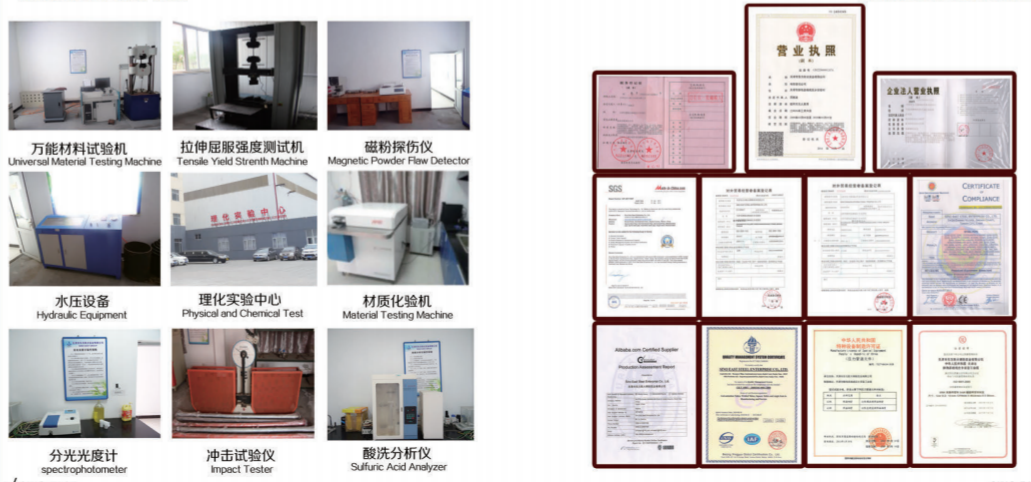
Ensuring the quality of square steel pipes is crucial for meeting industry standards and customer expectations. During the manufacturing process, strict quality control measures are put in place to check every stage, from raw materials to the finished product.
We follow international certifications like ISO and ASTM to guarantee our steel pipe quality standards. These certifications prove that our square steel pipe production meets rigorous safety and durability criteria.
Testing is a key part of quality assurance. We perform non-destructive testing (NDT), such as ultrasonic and radiographic inspections, to detect any internal flaws or cracks. Additionally, we check dimensions, surface finish, and weld integrity to ensure everything aligns with specifications.
Inspection protocols are thorough and systematic. Our team conducts regular audits and samples each batch for testing. Only pipes that pass all quality checks are approved for shipment. This process helps prevent issues like corrosion, warping, or structural weakness.
By adhering to these strict quality control and standards, we make sure our square steel pipes are reliable, durable, and ready for demanding applications in construction, industrial, and infrastructure projects.
Applications of Square Steel Pipes in Construction, Industrial, and Infrastructure Uses
Square steel pipes are versatile and widely used across many industries. Their strength and durability make them ideal for various applications, especially in construction and infrastructure projects.
Construction Uses
In building frameworks, square steel pipes are often used for support beams, columns, and structural frameworks. They provide a solid, stable base for buildings, bridges, and other structures. Their uniform shape makes them easy to install and ensures reliable load-bearing capacity.
Industrial Applications
Factories and manufacturing plants rely on square steel tubing for conveyor systems, machine frames, and storage racks. The steel pipe forming techniques used in manufacturing these pipes ensure they can withstand heavy use and harsh conditions.
Infrastructure Projects
In infrastructure, square steel pipe applications include fencing, handrails, and support structures for bridges and tunnels. Their high-quality standards, such as those from certified steel pipe manufacturing steps, guarantee safety and longevity.
Why They Matter
Using square steel pipes in these applications offers benefits like:
- Strength and durability: Able to handle heavy loads and stress
- Ease of customization: Available in various sizes and shapes to fit specific needs
- Corrosion resistance (with proper coating): Ensures long-lasting performance
In short, whether for construction, industrial setups, or infrastructure projects, square steel pipes are a reliable choice. They help build safer, more durable, and cost-effective structures worldwide.
Advantages of Using Square Steel Pipes
Square steel pipes are popular in many industries because they offer a lot of benefits. Here’s why they’re a smart choice:
Strength and Durability
- High strength-to-weight ratio: They can handle heavy loads without adding too much weight.
- Long-lasting: Resistant to corrosion and wear, especially when made with quality steel grades.
- Good stability: Their shape provides excellent stability for structures and frameworks.
Easy to Customize
- Various sizes and shapes: Available in many dimensions to fit different needs.
- Flexible designs: Can be cut, welded, or drilled easily for custom projects.
- Versatile applications: Suitable for construction, industrial, and infrastructure projects.
Cost-Effective and Reliable
| Benefit | Explanation |
|---|---|
| Cost-efficient | Less material waste, easier installation |
| Reliable | Meets strict quality standards for safety |
Using square steel pipes means getting a strong, durable, and customizable material that can adapt to many uses. Whether for building frames, machinery, or infrastructure, they deliver reliable performance and long-term value.
Why Choose Sino East Steel Group for Your Square Steel Pipe Needs
When it comes to square steel pipe production and supply, Sino East Steel Group stands out. We have the expertise, top-notch facilities, and a reputation for reliability that you can count on.
Why Sino East Steel Group?
| Feature | Details |
|---|---|
| Experience | Years of experience in steel pipe manufacturing, especially in square steel tube manufacturing. |
| Quality Standards | We follow strict quality control protocols to meet international standards. |
| Advanced Facilities | State-of-the-art steel pipe roll forming and welding equipment ensures consistent quality. |
| Custom Solutions | We offer custom square steel pipe manufacturing to match your specific project needs. |
| Global Reach | Supplying to construction, industrial, and infrastructure projects worldwide. |
Our Strengths
- Expertise in square steel pipe welding: We use high-frequency welding to create seamless joints and durable products.
- Wide range of sizes and shapes: From small to large dimensions, suitable for various applications.
- Fast turnaround: Efficient processes mean quick delivery, no matter the order size.
- Competitive pricing: Quality steel pipes at prices that fit your project budget.
Why It Matters
Choosing Sino East Steel Group means you get reliable, high-quality steel pipe solutions. Whether you need carbon steel square pipe making or hollow structural section process, we’ve got you covered. Our focus is on delivering products that last, perform, and meet your project deadlines.
If you want premium steel solutions backed by experience and trust, Sino East Steel Group is your go-to square steel pipe supplier.
Common FAQs About Square Steel Pipe Manufacturing: Materials, Sizes, and Quality Assurance
Q: What materials are used to make square steel pipes?
Most square steel pipes are made from carbon steel, alloy steel, or stainless steel. The choice depends on the application — for example, carbon steel is common for construction and industrial use because it offers good strength and affordability. We also select materials based on specific needs like corrosion resistance or high durability.
Q: What sizes are available for square steel pipes?
Square steel pipes come in a wide range of sizes and dimensions. Standard sizes range from small sections (around 20mm x 20mm) to large ones (up to 300mm x 300mm). Thickness varies too, typically from 1mm to 10mm or more. Custom sizes are also available for specialized projects.
Q: How do you ensure the quality of square steel pipes?
Quality assurance involves strict testing and inspection protocols. We check for dimensional accuracy, surface finish, and structural integrity. Certifications like ISO or ASTM standards are followed to guarantee the pipes meet international quality standards. Non-destructive testing methods, such as ultrasonic or X-ray inspection, help detect internal flaws.
Q: Are there specific standards for manufacturing square steel pipes?
Yes, there are global standards to ensure consistent quality. Common standards include ASTM A500, JIS G3466, and EN 10210. These specify material grades, dimensions, welding quality, and testing procedures, giving customers confidence in the product’s reliability.
Q: How do manufacturers maintain quality during the square steel pipe manufacturing process?
Manufacturers implement quality control at every step — from raw material selection, forming, welding, to finishing. Regular testing, calibrated equipment, and adherence to industry standards help produce high-quality square steel pipes that are durable and safe for use in construction, industrial projects, or infrastructure.
If you want reliable square steel pipes that meet your project needs, understanding these FAQs can help you choose the right product and supplier.
and Next Steps: Contact Sino East Steel Group for Premium Steel Solutions
If you’re looking for reliable square steel pipes, Sino East Steel Group is your go-to supplier. We specialize in high-quality square steel tube manufacturing, offering a wide range of sizes and shapes to meet your specific needs. Whether it’s for construction, industrial projects, or infrastructure, our expertise ensures you get durable, precise, and customized steel pipe solutions.
Getting started is easy. Reach out to us to discuss your project requirements, and our team will guide you through the best options. We handle everything from raw materials to finished products, following strict quality standards and testing protocols.
Choose Sino East Steel Group for your steel pipe manufacturing needs and enjoy the benefits of our advanced facilities, reliable supply chain, and dedicated customer service. We’re here to help you build better, stronger, and longer-lasting structures with our premium steel solutions.
Contact us today to learn more about our square steel pipe production and how we can support your next project!