
What are the Main Types of Welded Steel Pipe for Gas and Oil?
Choosing the right welding method is critical for pipeline safety and project budget. The industry primarily relies on three types:
-
ERW (Electric Resistance Welded): Created through cold-forming. Best for smaller diameters and medium-pressure distribution lines.
-
LSAW (Longitudinal Submerged Arc Welded): Features a single longitudinal seam. Ideal for heavy-wall, large-diameter, and high-pressure long-distance pipelines.
-
SSAW (Spiral Submerged Arc Welded): Formed by welding steel strips in a spiral pattern. Often used for lower-pressure lines or where extremely large diameters are needed.
| Feature | ERW (Electric Resistance) | LSAW (Longitudinal) | SSAW (Spiral) |
| Diameter Range | Small to Medium (up to 24″) | Large (up to 60″+) | Very Large (up to 100″+) |
| Wall Thickness | Thin to Medium | Heavy / Extra Heavy | Medium |
| Weld Seam | Nearly invisible | Single straight seam | Spiral seam |
| Typical Use | Local gas/oil distribution | High-pressure mainlines | Low-pressure / Water / Piling |
My Field Experience: Avoid These Common Pitfalls in Gas Line Selection
The “Price Trap” with SSAW Pipes
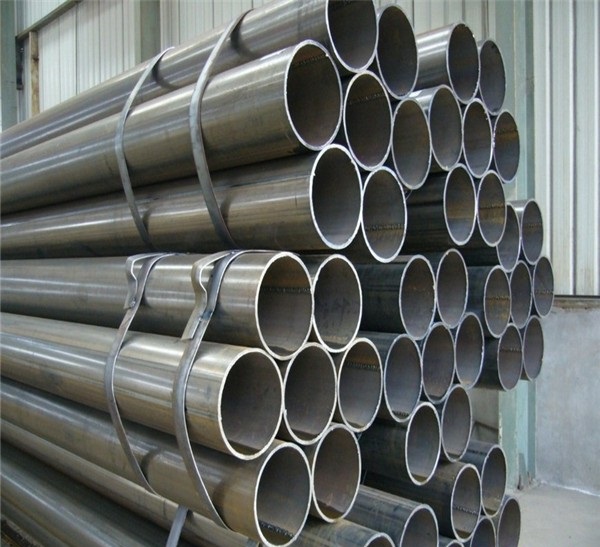
In my testing of offshore projects, I’ve found that SSAW pipes are often tempting because of their lower price per ton. However, for high-pressure gas lines, the spiral seam is significantly longer than a longitudinal seam, increasing the theoretical risk of stress corrosion cracking. I always recommend LSAW for critical high-pressure “trunk” lines, even if the upfront cost is 15% higher.
Overlooking the “Heat Affected Zone” (HAZ)
During a site inspection in 2023, we discovered micro-fissures in an ERW line that hadn’t undergone proper post-weld heat treatment. Ensure your supplier provides a Normalized or Quenched and Tempered certificate for the weld seam. This process restores the grain structure and prevents brittle failure under the thermal cycles common in oil transport.
How to Verify API 5L Standards for Gas and Oil Pipes?
The API 5L specification is the global benchmark. To ensure your pipes won’t leak or rupture, verify these two levels:
-
PSL1 (Product Specification Level 1): Standard quality with basic chemical and mechanical testing.
-
PSL2 (Product Specification Level 2): Mandatory for most modern gas and oil lines. It includes stricter chemical requirements, toughness testing (Charpy V-notch), and 100% non-destructive testing (NDT).
-
Pro Tip: Look for the “SR” (Supplementary Requirement) markings.
-
If your line operates in cold climates, specify SR5 for low-temperature toughness.
-
If your oil contains high sulfur, you must request Sour Service (HIC tested) pipes to prevent hydrogen-induced cracking.
Expert Checklist for Receiving a Shipment
Before the pipes are laid in the trench, follow this 3-step verification process:
-
Visual Weld Audit: Check for “undercut” or “excess reinforcement” on the weld bead. A smooth transition reduces turbulence and erosion inside the pipe.
-
Hydrostatic Test Reports: Never accept a batch without seeing the pressure charts. The pipe should have been tested to at least 90% of its yield strength.
-
Bevel Protection: Ensure the pipe ends are capped. Damaged bevels at the job site lead to poor field welds and future leak points.
Where welded pipe is specified for gas and oil service, our API 5L line pipe page lists available grades, sizes and delivery terms.
-80x80.jpg)