
What type of tinplate is the cheapest?
Tinplate is a very common material in metal packaging, food cans, chemical containers, and industrial components.
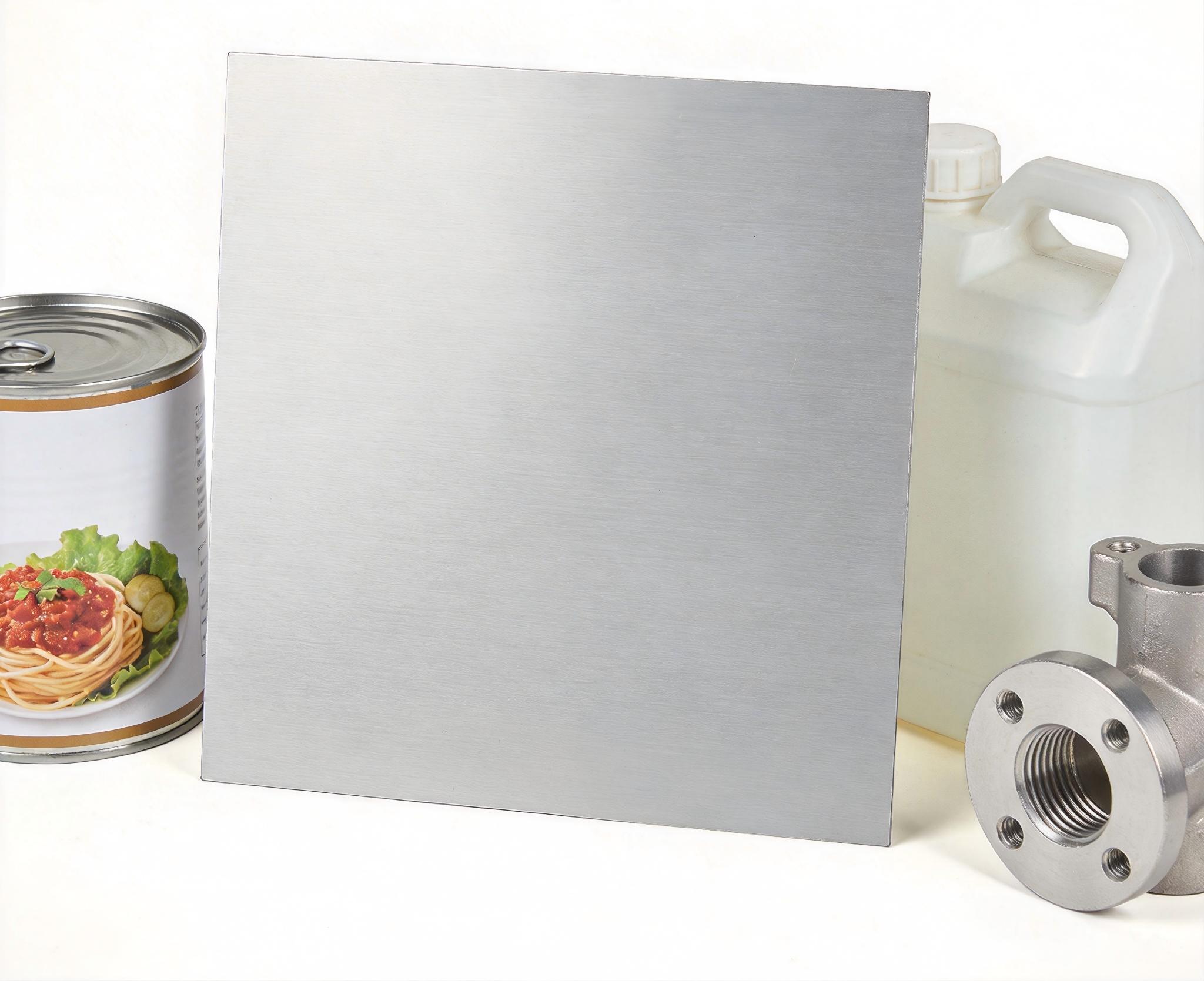
tinplate
1.What is tinplate?
Tinplate is a metal composite material made by coating cold-rolled low-carbon steel sheet with a thin layer of tin through electroplating or hot-dip galvanizing processes. The tin coating prevents rusting of the steel substrate while enhancing the material’s corrosion resistance and aesthetic quality.
Key Characteristics of Tinplate
High corrosion resistance: The tin layer protects the steel substrate from rusting.
Excellent form-ability: Easily stamped, bent, and formed.
Smooth, attractive surface: Suitable for printing and coating.
Food-safe: Commonly used for food packaging.
Excellent weld-ability: Facilitates manufacturing various containers.
Common Applications of Tinplate
Due to its superior properties, tinplate is widely used in:
Food canning packaging (e.g., canned goods, milk powder cans)
Beverage cans
Chemical drums and paint cans
Metal packaging boxes (cookie tins, tea boxes)
Electronic and industrial components
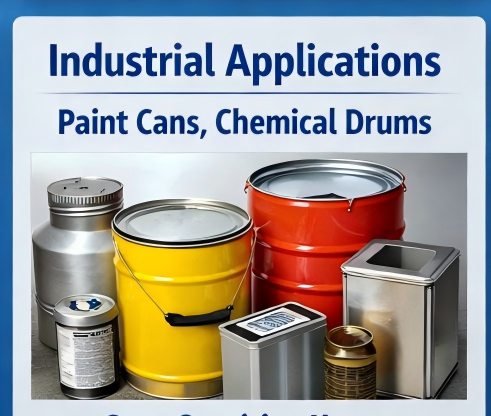
application
2.Factors Affecting Tinplate Pricing
A.Raw Material Costs
The primary raw materials for tinplate are low-carbon steel sheets and tin. If market prices for steel or tin rise, production costs for tinplate increase accordingly, leading to higher prices.
B.Thickness
The thickness of tinplate sheets is a key factor affecting price. Generally:
Greater thickness requires more material, resulting in higher costs.
Thinner gauge tinplate is typically less expensive.
C.Tin Plating Quantity
The thickness of the tin coating directly impacts cost.
Higher tin plating provides better corrosion resistance but also increases price
Tinplate with lower plating quantities is relatively cheaper
D.Sheet Dimensions
The width and length of tinplate sheets also affect pricing. Larger sheets require more raw materials, resulting in higher costs.
E.Product Grade
Tinplate is typically categorized into grades, such as:
Grade 1 Tinplate: High quality with flawless surfaces, commanding higher prices
Grade 2 Tinplate: May exhibit minor surface imperfections, offering relatively lower prices
F.Surface Finishing
Different surface treatments—such as bright finish, stone-textured finish, or coating applications—impact production costs and final pricing.
3.Common Tinplate Specifications
A.Tinplate Thickness Specifications
Tinplate thickness is measured in millimeters (mm). Common specifications include:
| Thickness Range | Common Specifications | Notes |
| Thin Sheet | 0.14 mm – 0.18 mm | Commonly used for lightweight packaging and industrial containers |
| Medium-Thick Sheet | 0.20 mm – 0.25 mm | Widely used for food cans and beverage containers |
| Thick Sheet | 0.30 mm – 0.50 mm | Industrial heavy-duty containers or specialized applications |
Thinner gauges offer lower costs but reduced strength; thicker gauges are more expensive yet provide superior pressure resistance.
B.Tinplate Coating Weight Specifications
Coating weight impacts corrosion resistance and cost. Common specifications include:
| Tinplate Coating Weight (g/m²) | Applications |
| 1.0 / 1.0 – 1.4 / 1.4 | Industrial packaging, chemical containers (low cost) |
| 2.0 / 2.0 – 2.8 / 2.8 | Mid-range applications, e.g., standard food cans |
| 5.6 / 5.6 – 8.4 / 8.4 | High corrosion resistance requirements, e.g., beverage cans, long-term food storage containers |
The first number indicates single-side tin coating weight / double-side tin coating weight.
C.Width and Length Specifications
Tinplate is generally available in coil and sheet formats:
| Type | Width | Length/Coil Weight | Remarks |
| Coil | 600 – 1250 mm | 5–12 tons/coil | Used for processing various cans and lids |
| Sheet | 500 – 1000 mm | Cut to customer specifications | Suitable for small-batch production or specialized packaging |
Understanding specifications such as tinplate thickness, tin coating weight, sheet dimensions, and product grades not only helps select the most cost-effective material but also enables effective reduction of material costs while maintaining quality. Should you have related requirements, please feel free to contact us at any time.