Safety Guidelines for Cold-Rolled Steel Sheets: Reducing Risks and Enhancing Production Efficiency

In manufacturing, construction, and machining industries, cold-rolled steel sheets have become a core material for precision equipment manufacturing and structural component processing due to their flat surfaces, uniform thickness, and excellent mechanical properties. However, the high strength and smooth surface of cold-rolled steel sheets impose stringent safety and operational requirements during handling, processing, and storage. Mastering scientific usage methods not only ensures operational safety and prevents material loss but also boosts production efficiency and extends the service life of related equipment.
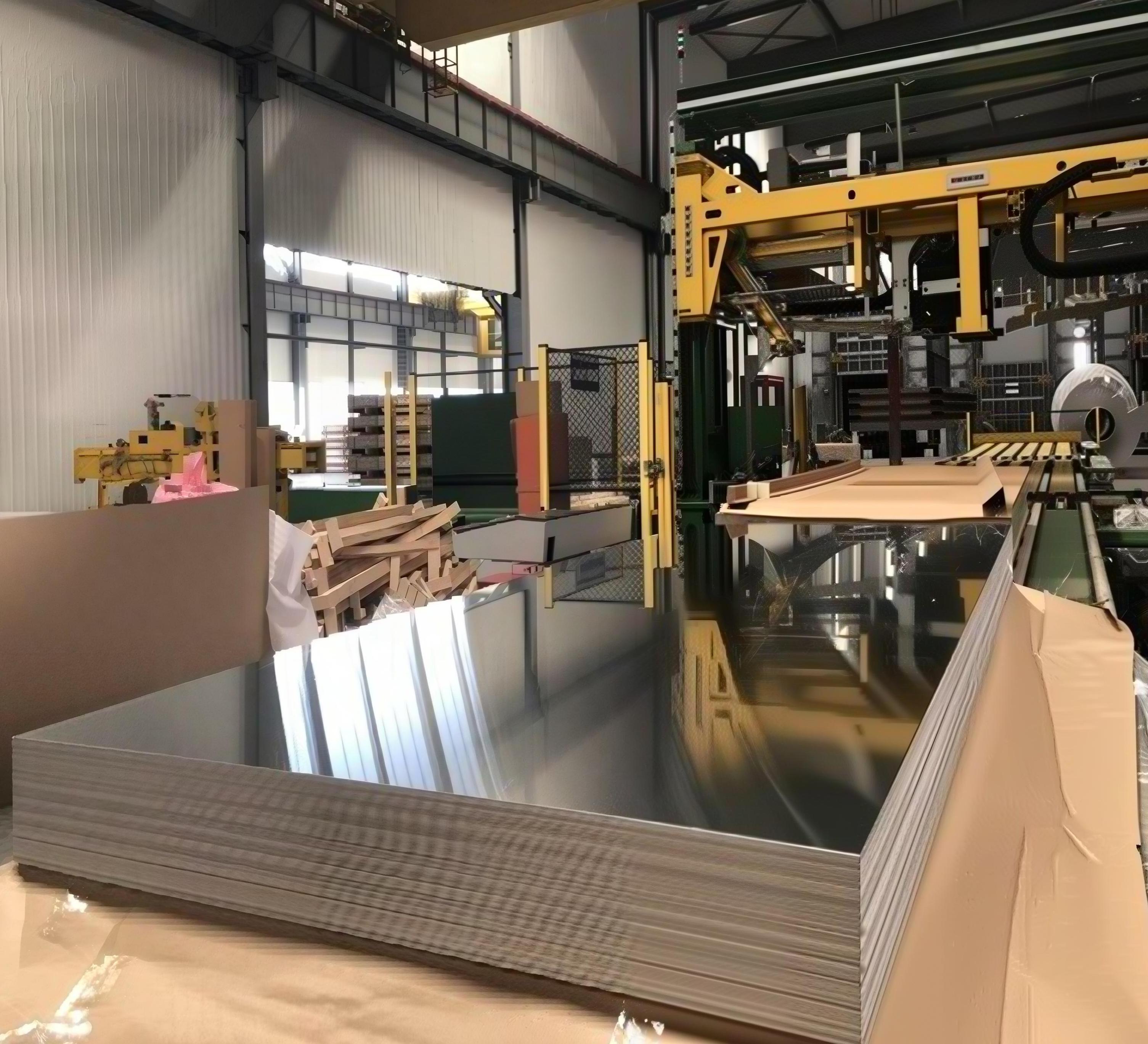
steel sheets

steel sheets

1. Understanding Cold-Rolled Steel Sheets: The First Step in Safety Management

Cold-rolled steel sheets are produced by cold rolling hot-rolled steel sheets at ambient temperatures. They feature low surface roughness, high dimensional accuracy, and good ductility and toughness, enabling diverse processing such as bending, stamping, and welding.
Key characteristics include:
Smooth surface with sharp edges
Thin gauge, typically 0.2–3.0 mm thick
High rigidity, but prone to edge-induced scratches
These properties make cold-rolled steel convenient for processing while demanding stricter operational protocols and protective measures.

2. Key Steps for Safe Cold-Rolled Steel Sheet Handling

Comprehensive pre-use inspection is crucial for preventing accidents and material loss. Strict adherence to industry standards and company safety protocols is required, focusing on:
Severe warping or deformation of sheet surfaces
Burrs or irregular cuts along edges
Surface oil contamination to prevent slippage during handling
Integrity of packaging and secure bundling

3. Safety Considerations During Handling

The most common risks during cold-rolled steel plate handling include cuts, falls, and plate slippage. Follow these principles:
Operators must wear protective gear such as cut-resistant gloves and safety shoes
When using forklifts or lifting equipment, ensure load capacity matches the plate weight
Avoid direct contact between plate edges and wire ropes during lifting; use corner protectors
Prohibit personnel from standing beneath plates or in their travel paths
Steel sheet handling

Steel sheet handling

4. Proper Storage to Minimize Hazards

Improper storage can lead to plate tipping, deformation, or corrosion. Recommendations:
Stack cold-rolled steel plates flat on sturdy pallets or racks
Maintain reasonable stacking heights to prevent instability
Keep warehouses dry and well-ventilated to avoid moisture
Store plates by specification for easy retrieval

5. Common Safety Misconceptions and Risk Warnings

Even experienced operators may overlook these issues:
Neglecting edge protection: Cold-rolled steel plate edges are sharp and pose a primary cutting hazard
Overloading during handling: Operating equipment beyond capacity increases accident risk
Haphazard stacking: Temporary placement in aisles or on slopes creates significant hazards
Lack of training: New employees starting work without systematic safety training
Proactively avoiding these errors significantly reduces accident rates.

6. Maintenance and Care: Extending Service Life and Ensuring Performance

Daily Maintenance: After use, promptly wipe oil stains or iron filings from the steel plate surface with a clean cloth to prevent long-term corrosion. For plates temporarily out of use, re-wrap them or apply rust-preventive oil to ensure storage quality.
Periodic Inspection: Regularly inspect stored steel plates. Address any surface rust or deformation promptly (e.g., through rust removal or straightening) to prevent escalation. Maintain frequently used handling equipment (e.g., suction cup lifters, forklifts) regularly, checking suction cup seals and braking systems to ensure proper operation.
Scrap disposal: Promptly clear and categorize processing off-cuts and scrap to prevent accumulation that occupies workspace and minimizes risks of sharp edges causing injuries.

Safe and Efficient Use of Cold-Rolled Steel Sheets: Empowering Production Upgrades

The core principles for the safe and efficient use of cold-rolled steel sheets are: “understanding material properties, adhering to standard operating procedures, implementing key protective measures, and ensuring scientific storage.” By strictly enforcing pre-use inspections, selecting appropriate handling and processing methods, avoiding common pitfalls, and maintaining proper upkeep, you not only safeguard personnel safety and reduce material waste and equipment failures but also enhance production efficiency and product quality.