
What is Galvanized Steel Pipe? A Complete Guide for Buyers
Introduction
Galvanized steel pipe is one of the most widely used steel pipe products in construction, industrial manufacturing, agricultural irrigation, and municipal infrastructure projects. Thanks to its excellent corrosion resistance, long service life, and cost-effectiveness, galvanized steel pipe has become a preferred choice for buyers worldwide.
However, many purchasers, contractors, and project managers still have questions such as:
- What is galvanized steel pipe?
- How is galvanized steel pipe manufactured?
- What is the difference between hot-dip galvanized and electro-galvanized pipes?
- How do you choose the right galvanized steel pipe for your project?
- What factors affect galvanized steel pipe prices?
This comprehensive guide answers these questions and helps buyers make informed purchasing decisions.
What Is Galvanized Steel Pipe?
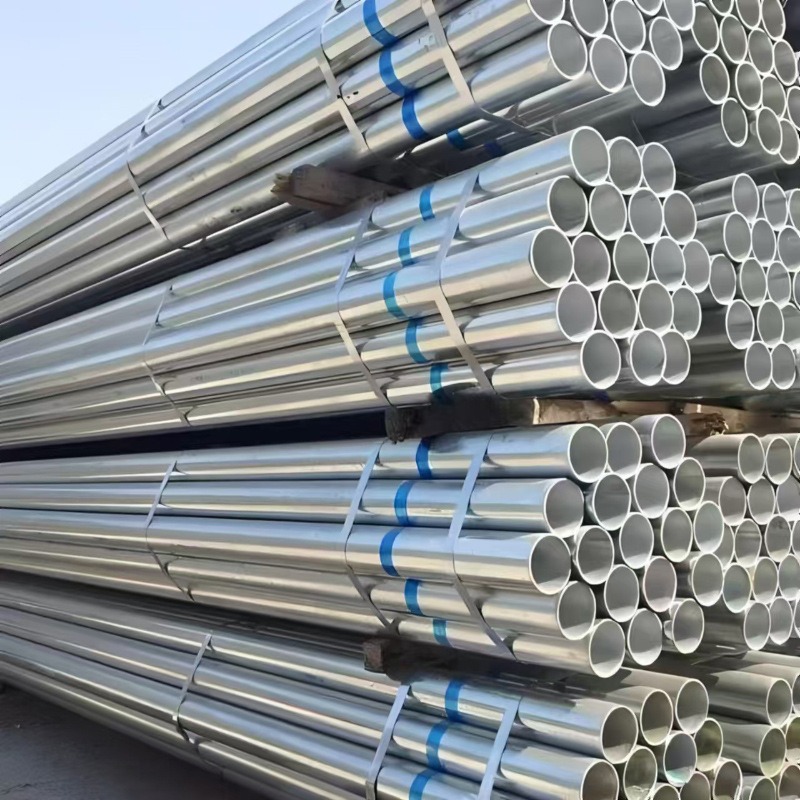
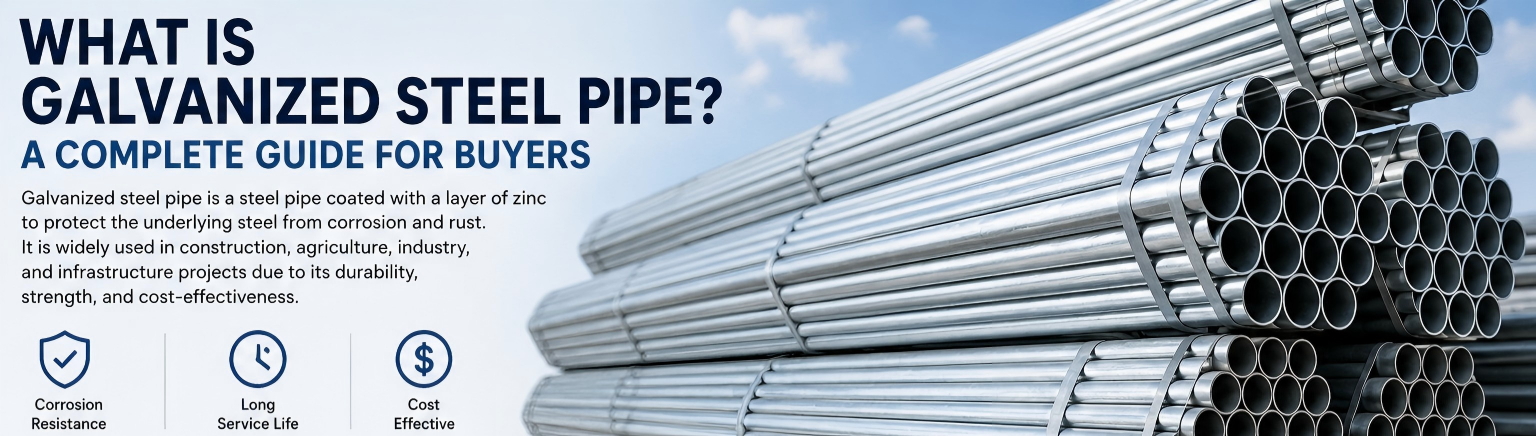
Galvanized steel pipe is a steel pipe coated with a layer of zinc to protect the underlying steel from corrosion and rust.
In simple terms:
Galvanized Steel Pipe = Carbon Steel Pipe + Zinc Coating
The zinc coating acts as a protective barrier between the steel and the surrounding environment. In addition, zinc provides sacrificial protection, meaning it corrodes before the steel does, even if the surface is scratched or damaged.
As a result, galvanized steel pipes typically offer a much longer service life than standard black steel pipes.
How Is Galvanized Steel Pipe Manufactured?
Depending on the galvanizing process, galvanized steel pipes are generally classified into two main types:
1. Hot-Dip Galvanized Steel Pipe
Hot-dip galvanizing is the most common and widely used process.
The manufacturing process typically includes:
- Degreasing
- Pickling
- Water rinsing
- Flux treatment
- Immersion in molten zinc at approximately 450°C (842°F)
- Cooling and inspection
During this process, a zinc-iron alloy layer and a pure zinc layer are formed on the steel surface.
Advantages
- Thick zinc coating
- Superior corrosion resistance
- Longer service life
- Suitable for outdoor applications
Typical Zinc Coating Thickness
Common coating thicknesses include:
- 40 μm
- 60 μm
- 80 μm or above
2. Electro-Galvanized Steel Pipe
Electro-galvanized steel pipe, also known as cold galvanized pipe, is produced through an electrochemical process that deposits a thin zinc layer onto the steel surface.
Features
- Smooth surface finish
- Better appearance
- Thinner zinc coating
- Lower corrosion resistance compared to hot-dip galvanizing
Common Applications
- Indoor structures
- Furniture manufacturing
- Light-duty equipment
For outdoor and long-term exposure environments, hot-dip galvanized steel pipe is generally the preferred option.
Key Advantages of Galvanized Steel Pipe
Excellent Corrosion Resistance
The zinc coating effectively protects steel against:
- Rainwater
- Moisture
- Oxidation
- Industrial atmospheric corrosion
This makes galvanized steel pipe ideal for:
- Construction projects
- Outdoor structures
- Agricultural facilities
- Municipal infrastructure
Long Service Life
Under normal conditions:
- Indoor applications may last over 50 years
- Outdoor applications can last 20–30 years or longer
Compared with uncoated steel pipes, maintenance and replacement costs are significantly reduced.
Cost-Effective Solution
Although galvanized steel pipes typically cost more than black steel pipes, they provide lower lifecycle costs due to:
- Reduced maintenance
- Fewer replacements
- Less downtime
This often results in better long-term value.
High Strength and Durability
Compared to plastic pipes, galvanized steel pipes offer:
- Higher compressive strength
- Better impact resistance
- Greater structural stability
These characteristics make them suitable for demanding applications.
Common Applications of Galvanized Steel Pipe
Construction Industry
Galvanized steel pipes are widely used in:
- Scaffolding systems
- Structural steel projects
- Handrails and guardrails
- Fence systems
Water Supply and Plumbing Systems
They are commonly used for transporting:
- Cold water
- Industrial water
- Fire protection water
Agriculture
Popular applications include:
- Greenhouse structures
- Irrigation systems
- Livestock fencing
Oil and Gas Industry
Galvanized steel pipes are often used for:
- Low-pressure transmission systems
- Pipeline support structures
Municipal Infrastructure
Examples include:
- Street light poles
- Traffic barriers
- Public facility frameworks
Understanding Galvanized Steel Pipe Specifications
When purchasing galvanized steel pipes, buyers should pay attention to the following specifications.
Outside Diameter (OD)
Common sizes include:
- 21.3 mm
- 26.9 mm
- 33.7 mm
- 42.4 mm
- 48.3 mm
- 60.3 mm
- 114.3 mm
Wall Thickness
Typical wall thickness ranges from:
- 1.5 mm
- 2.0 mm
- 2.5 mm
- 3.0 mm
- 4.0 mm
- 6.0 mm
Thicker walls generally provide greater load-bearing and pressure resistance.
Length
Standard pipe lengths are usually:
- 5.8 m
- 6 m
- 11.8 m
- 12 m
Custom lengths are also available upon request.
International Standards
Buyers should ensure the products comply with relevant standards.
ASTM Standards
Common U.S. standards include:
- ASTM A53
- ASTM A500
- ASTM A795
EN Standards
Common European standards include:
- EN 10255
- EN 10219
BS Standards
Common British standards include:
- BS 1387
ISO Certifications
International quality management certifications can further ensure product reliability.
Galvanized Steel Pipe vs. Black Steel Pipe
| Feature | Galvanized Steel Pipe | Black Steel Pipe |
|---|---|---|
| Corrosion Resistance | Excellent | Moderate |
| Service Life | Longer | Shorter |
| Maintenance Cost | Lower | Higher |
| Surface Treatment | Zinc Coating | No Coating |
| Initial Cost | Higher | Lower |
| Outdoor Applications | Recommended | Not Recommended |
For outdoor and high-moisture environments, galvanized steel pipe is generally the better choice.
How to Choose the Right Galvanized Steel Pipe
Identify Your Application
First, determine the intended use:
- Structural construction
- Water transportation
- Greenhouse systems
- Fencing projects
Different applications require different specifications.
Consider Corrosion Requirements
If the project is located in:
- Coastal areas
- High-humidity regions
- Industrial or chemical environments
Choosing hot-dip galvanized steel pipes with thicker zinc coatings is highly recommended.
Verify Certifications and Test Reports
Reliable suppliers should be able to provide:
- Mill Test Certificates (MTC)
- SGS Inspection Reports
- ISO Certifications
- CE Certifications
These documents help ensure product quality and compliance.
Evaluate Supplier Capabilities
Before placing an order, consider:
- Factory size
- Annual production capacity
- Export experience
- Delivery performance
A reliable supplier can significantly reduce procurement risks.
Factors Affecting Galvanized Steel Pipe Prices
Several factors influence galvanized steel pipe pricing.
Raw Material Costs
Fluctuations in steel prices directly affect production costs.
Zinc Prices
Zinc is a major component of galvanized steel pipe costs.
When global zinc prices rise, pipe prices typically increase as well.
Pipe Size and Thickness
Generally:
- Larger diameters
- Thicker walls
result in higher prices.
Order Quantity
Bulk purchases usually receive more competitive pricing.
International Shipping Costs
Ocean freight rates, tariffs, and exchange rate fluctuations can impact the final procurement cost.
What Should Buyers Check Before Purchasing?
Before placing an order, buyers should confirm:
✔ Steel grade
✔ Galvanizing method
✔ Zinc coating thickness
✔ Applicable standards
✔ Dimensional tolerances
✔ Packaging requirements
✔ Delivery schedule
✔ Inspection certificates
Carefully reviewing these factors can help ensure product quality and project success.
Conclusion
Galvanized steel pipe has become an essential material for construction, agriculture, industrial manufacturing, and infrastructure projects due to its outstanding corrosion resistance, high strength, and cost-effective lifecycle performance.
For buyers, understanding manufacturing processes, specifications, international standards, and supplier qualifications is crucial for making the right purchasing decision.
Whether you are sourcing hot-dip galvanized steel pipes for structural applications or seeking economical solutions for irrigation and fencing projects, choosing a reliable supplier that meets international standards can deliver long-term value and project success.
When sourcing globally, buyers should focus not only on price but also on product quality, zinc coating thickness, certifications, and supplier credibility to achieve the best return on investment.

