How to Choose the Right Scaffolding System for Projects

Types of Scaffolding Systems
If I am choosing the right scaffolding system, I start with one simple question: what kind of work needs to be done, and where will it happen? The best scaffolding system for construction is not always the biggest or strongest one. It is the one that fits the job, the site, and the safety needs.
Here are the main types of scaffolding systems I look at first.
Frame Scaffolding
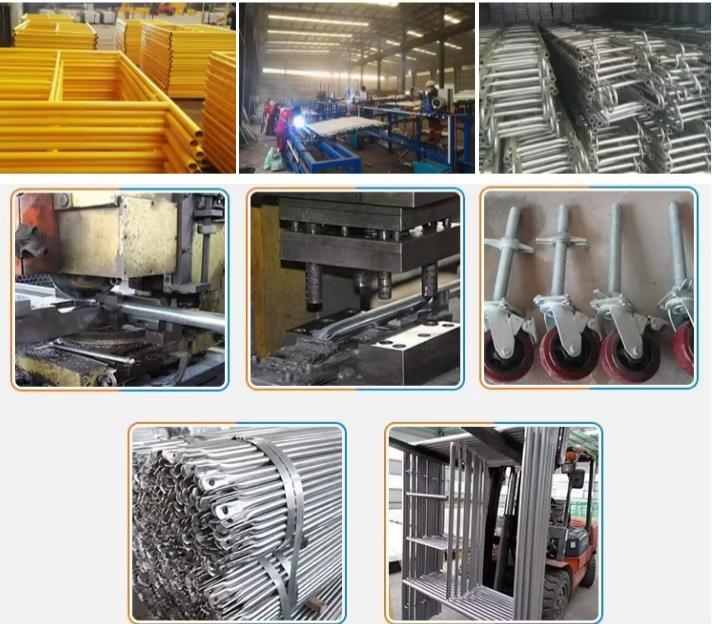
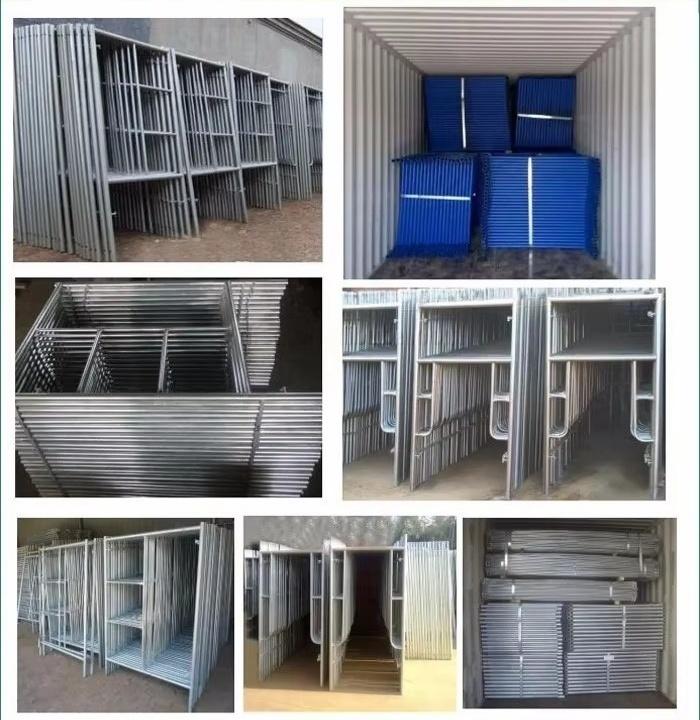
Frame scaffolding is one of the most common construction scaffolding solutions. It is a simple, practical choice for many jobs because it is fast to set up and easy to use.
I usually see it used for:
- Residential painting and repairs
- Commercial exterior work
- Masonry and light construction
- Short-term access jobs
Why it works well:
- Easy to assemble and disassemble
- Good for straight, open building faces
- Cost-effective for many small to medium projects
- Widely available for rent or purchase
Frame scaffolding is a strong option when I need a basic temporary access system without a lot of complexity.
Modular Scaffolding
A modular scaffolding system is a better fit when the project is more complex. It uses standardized parts that can be configured in many ways, which makes it useful for uneven shapes, tight spaces, and larger structures.
This type is often used for:
- Industrial scaffolding systems
- Commercial projects
- Scaffolding for high-rise buildings
- Jobs with unusual layouts or access challenges
Why I choose it:
- Flexible for different site conditions
- Strong and stable for demanding work
- Easier to adapt for custom scaffolding design
- Good choice for long-term or repeated use
If a project needs more than a basic setup, modular scaffolding can offer better performance and safer access.
Suspended Scaffolding
Suspended scaffolding is used when workers need access to higher levels and cannot build from the ground up. It hangs from the top of a structure and can be raised or lowered as needed.
I usually see suspended scaffolding uses in:
- Window cleaning
- Façade repair
- Exterior maintenance work
- Tall buildings with limited ground access
Key advantages:
- Ideal for very tall structures
- Saves ground space
- Helpful when fixed scaffolding is not practical
- Good for maintenance and repair work
This is often the right option when the project is focused on upper-level access rather than full-site coverage.
Mobile Scaffolding
A mobile scaffolding tower is built for movement. It has wheels, so it can be rolled from one work area to another without full disassembly.
It works well for:
- Indoor maintenance
- Painting and finishing
- Facility repairs
- Light construction tasks
Best features:
- Easy to move between tasks
- Saves time on repetitive work
- Useful for flat, level surfaces
- Good for fast access in controlled spaces
I like mobile scaffolding when the work area changes often and the job does not need a fixed setup.
Specialty and Custom Scaffolding Systems
Some projects need more than standard options. That is where specialty and custom scaffolding systems come in. These are designed for unique structures, unusual heights, heavy loads, or difficult site conditions.
Common examples include:
- Heavy duty steel scaffolding for demanding industrial work
- Lightweight aluminum scaffolding for easier transport and handling
- Adjustable scaffolding systems for uneven ground or changing heights
- Custom setups for bridges, tanks, towers, and complex buildings
When custom scaffolding makes sense:
- The project has unusual geometry
- Standard systems do not fit safely
- Load needs are higher than normal
- The site has weather, space, or access limits
For specialized jobs, custom scaffolding can improve safety, speed, and overall project control.
Quick Comparison
| Scaffolding Type | Best For | Main Benefit |
|---|---|---|
| Frame scaffolding | Residential and commercial exterior work | Simple and affordable |
| Modular scaffolding | Complex and large projects | Flexible and strong |
| Suspended scaffolding | Tall buildings and maintenance work | Great for upper-level access |
| Mobile scaffolding | Indoor and moveable tasks | Easy to relocate |
| Specialty/custom scaffolding | Unique or high-risk projects | Built for exact needs |
Choosing from these types of scaffolding systems is the first step in any good scaffolding selection guide. Once I know the job type, access needs, and site limits, it becomes much easier to narrow down the best scaffolding system for construction or maintenance work.
Key Factors in How to Choose the Right Scaffolding System
Match the system to the job
I always start with the project type and scope. A frame scaffolding system works well for many residential and commercial jobs, while modular scaffolding systems are better for larger or more complex builds. For maintenance work, a mobile scaffolding tower can save time. For high-access work, I look at suspended scaffolding uses and temporary access systems.
Check strength and load capacity
The next thing I check is scaffolding load capacity and structural strength. The system has to handle workers, tools, and materials without stress. For heavier jobs, I lean toward heavy duty steel scaffolding. For lighter tasks, lightweight aluminum scaffolding can be a better fit.
Compare steel and aluminum
I compare steel scaffolding vs aluminum scaffolding based on the site and use.
| Material | Best for | Main benefit |
|---|---|---|
| Steel | Heavy duty steel scaffolding, industrial scaffolding systems | High strength and long service life |
| Aluminum | Residential scaffolding, fast-moving jobs | Light weight and easier handling |
If I need stronger parts for a steel setup, I often look at heavy-duty SHS and RHS square steel tubing because it supports tough construction scaffolding solutions.
Plan for height and access
I match the scaffold height to the job site and check access points early. This matters for scaffolding for high-rise buildings, exterior walls, and tight work zones. If the crew needs frequent movement, I look at adjustable scaffolding systems or mobile units that are easy to shift.
Make assembly simple
I also weigh how fast the system goes up and comes down. Easy setup helps save labor time and keeps the job moving. A clear scaffolding installation guide and a solid scaffolding inspection checklist make the process smoother for my team.
Follow safety rules
I never skip scaffolding safety standards or local rules like OSHA scaffolding requirements. Safe access, guardrails, platform stability, and regular checks matter on every site. Good scaffolding safety tips lower risk and keep work on track.
Think about cost and weather
Price matters, but I look at long-term value too. A better-built system can last longer, need fewer repairs, and work across more jobs. For outdoor projects, I also consider weather resistant scaffolding. Galvanized parts help in wet or humid conditions, and galvanized steel coils are a smart option when corrosion resistance matters.
| Factor | What I look for |
|---|---|
| Project scope | Residential scaffolding, commercial scaffolding, industrial scaffolding systems |
| Strength | Safe load rating and stable frame design |
| Material | Steel for strength, aluminum for lighter handling |
| Height | Reach, access, and platform layout |
| Safety | Compliance, inspection, and training |
| Cost | Purchase price, rental value, and reuse potential |
| Site conditions | Wind, rain, ground level, and surface type |
Quick checklist
- Match the scaffold type to the job size
- Confirm load rating and structure strength
- Choose steel or aluminum based on use
- Check height, reach, and access needs
- Review safety compliance before purchase
- Compare budget with long-term value
- Factor in weather and site conditions
Safety and Performance Benefits of the Right Scaffolding
Choosing the right scaffolding system can make a big difference in safety and overall project performance. When you select a high-quality, properly suited scaffolding system, you improve worker safety and significantly reduce the risk of accidents. This is especially important on busy construction sites or maintenance projects where safety standards are strict.
A good scaffolding setup also boosts project efficiency by making access easier and faster. This means workers spend less time setting up and moving around, which can save your team valuable time and keep your project on schedule. Plus, durable scaffolding materials like steel or aluminum can be reused across multiple projects, lowering your long-term costs and increasing the overall value.
Most importantly, the right scaffolding helps deliver more professional results. It provides a stable, reliable platform that supports high-quality work, whether you’re working on high-rise buildings or residential projects. In the end, investing in the best scaffolding system pays off by ensuring safety, efficiency, cost savings, and a polished finish for your project.
How I Evaluate Scaffolding Suppliers
When I compare scaffolding suppliers, I keep it simple: I look for safe products, steady supply, and real support. The right partner should handle everything from residential scaffolding to industrial scaffolding systems without cutting corners.
| What I check | What matters most |
|---|---|
| Material quality | Strong steel, clean welds, and tested parts |
| Product range | Frame scaffolding, modular scaffolding, suspended scaffolding, and mobile scaffolding tower options |
| Support | Clear advice on scaffolding selection guide, load charts, and setup |
| Price and supply | Fair pricing, customization, and reliable stock |
| Experience | Real project references and proven results |
Material Quality First
I always start with material quality and testing standards. A good supplier should show proof of strength, coating quality, and load testing. For steel-based systems, I also ask about pipe grade and consistency, especially when comparing scaffold tubes and mild steel schedule 40 pipes for frame and support parts.
Range Of Solutions
I prefer suppliers that offer more than one option. That makes it easier to match the best scaffolding system for construction, maintenance work, or scaffolding for high-rise buildings. A strong supplier should cover:
- Frame scaffolding system
- Modular scaffolding system
- Suspended scaffolding uses
- Adjustable scaffolding systems
- Custom scaffolding design
Support And Guidance
I value technical support as much as price. If a supplier can help with scaffolding installation guide details, scaffolding safety tips, and scaffolding inspection checklist planning, that usually saves time later. Good guidance also helps when I need to choose between heavy duty steel scaffolding and lightweight aluminum scaffolding.
Price, Availability, And Trust
I review pricing, customization, and availability together. The cheapest option is not always the best if it delays work or adds risk. I also look for:
- Fast delivery for global projects
- Clear options for scaffolding rental vs purchase
- Flexible sizing for commercial scaffolding and temporary access systems
- References from real clients in different markets
My Quick Supplier Check
- Ask for testing data and scaffolding safety standards compliance
- Confirm load capacity and supported heights
- Compare weather resistant scaffolding options if the site is exposed
- Review past work in construction scaffolding solutions
- Check whether the supplier understands OSHA scaffolding requirements and local rules
When I choose a supplier this way, I get safer equipment, fewer delays, and better long-term value.
Step-by-step scaffolding selection process
Choosing the right scaffolding system doesn’t have to be complicated if you follow a clear process. Here’s a simple step-by-step guide to help you make the best choice for your project:
1. Define your project requirements and constraints
Start by understanding what your project needs. Consider the height, duration, and type of work. Think about site conditions like weather or space restrictions. Knowing these details helps narrow down suitable scaffolding options, whether it’s for residential, commercial, or industrial use.
2. Shortlist suitable scaffolding types and materials
Based on your project scope, pick a few scaffolding systems that fit. For example, if you need quick setup and mobility, mobile scaffolding towers might be ideal. For high-rise projects, frame scaffolding or modular scaffolding systems could work better. Also, decide whether steel or aluminum scaffolding is best, considering load capacity and durability.
3. Consult experts for tailored recommendations
It’s always smart to speak with scaffolding specialists or suppliers. They can help you choose the right type and materials, ensuring safety and efficiency. They can also advise on custom scaffolding designs if your project has unique needs.
4. Review technical specs, load charts, and drawings
Carefully check the technical details. Load capacity is critical—make sure the scaffolding can handle the weight of workers, tools, and materials. Review load charts and structural drawings to confirm everything aligns with safety standards and project demands.
5. Plan installation, inspection, and safety training
Once you select the system, plan how it will be installed and inspected. Safety training for workers is essential to meet OSHA scaffolding requirements and safety standards. Proper planning helps prevent accidents and ensures the scaffolding performs well throughout the project.
Following these steps ensures you pick a scaffolding system that’s safe, efficient, and tailored to your project’s needs. For more detailed guidance, check out our scaffolding installation guide and make sure your choice aligns with industry safety standards.
Scaffolding FAQs
Most durable materials
If I want long service life, I usually start with steel scaffolding. It handles heavy use well and is a strong pick for industrial scaffolding systems, commercial jobs, and high-rise buildings.
- Heavy duty steel scaffolding: best for strength and reuse
- Lightweight aluminum scaffolding: easier to move, but less rugged for hard use
- Galvanized steel: better for outdoor sites because it resists rust better than plain steel
For many projects, a galvanized steel pipe option is a smart choice when I need durability and weather resistance.
How to choose a scaffolding type
I match the system to the job first. That is the easiest way to pick the best scaffolding system for construction or maintenance work.
| Project need | Better fit |
|---|---|
| Brickwork, painting, general building work | Frame scaffolding system |
| Complex layouts or heavy loads | Modular scaffolding system |
| Exterior access at height | Suspended scaffolding uses |
| Small moves across a site | Mobile scaffolding tower |
| Special shapes or tight areas | Custom scaffolding design |
For residential scaffolding, I often look for simple setup and quick access. For commercial scaffolding, I focus more on load capacity and speed.
Safety compliance
I never treat safety as optional. I check scaffolding safety standards, OSHA scaffolding requirements, and local rules before I buy or rent.
- Check the scaffolding load capacity
- Use the right scaffolding accessories and components
- Follow an inspection checklist before every shift
- Train workers on safe setup and access
- Stop work during unsafe weather conditions
Buy vs rent
The choice between scaffolding rental vs purchase depends on how often I will use it.
| Option | Best for |
|---|---|
| Buy | Repeat jobs, long-term use, custom setups |
| Rent | Short projects, one-time work, tight budgets |
If I need the same system often, buying can be cheaper over time. If I only need it for a short run, renting is usually easier and faster.
What affects cost
I look at more than the price tag. The real scaffolding system cost depends on:
- Material type
- Height and size
- Load rating
- Custom parts
- Delivery and setup
- Inspection and training needs
- Reuse value over time
A lower upfront price is not always the better deal. A stronger system may cost more at first, but it can save money through durability and reuse.
Quick answer guide
- Most durable material: steel, especially galvanized steel
- Best for easy handling: aluminum
- Best for complex projects: modular or custom systems
- Best for short-term use: rent
- Best for long-term value: buy
My final rule
When I work through how to choose scaffolding, I focus on four things: safety, strength, access, and total cost. That keeps the choice simple and helps me pick the right temporary access system for the job.