Belt and Road Initiative: Steel Demand in Emerging Markets
Introduction
The Belt and Road Initiative (BRI), launched by China in 2013, has become one of the most ambitious infrastructure and economic development programs in modern history. Spanning Asia, Africa, the Middle East, Europe, and Latin America, the initiative aims to enhance connectivity through investments in transportation networks, energy facilities, industrial parks, and urban development projects.
As infrastructure construction accelerates across participating countries, steel has emerged as one of the most critical materials driving these developments. From railways and bridges to ports and power plants, steel forms the backbone of large-scale infrastructure projects. Consequently, the Belt and Road Initiative is creating significant opportunities for steel producers, suppliers, and distributors worldwide.
This article explores how the BRI is influencing steel demand in emerging markets, the sectors generating the highest consumption, and the long-term outlook for the global steel industry.
Understanding the Belt and Road Initiative
The Belt and Road Initiative consists of two primary components:
- The Silk Road Economic Belt, connecting China with Central Asia, the Middle East, and Europe through land-based routes.
- The 21st Century Maritime Silk Road, linking Asia, Africa, and Europe via maritime trade corridors.
Over the past decade, hundreds of infrastructure projects have been launched under the initiative, including:
- High-speed railways
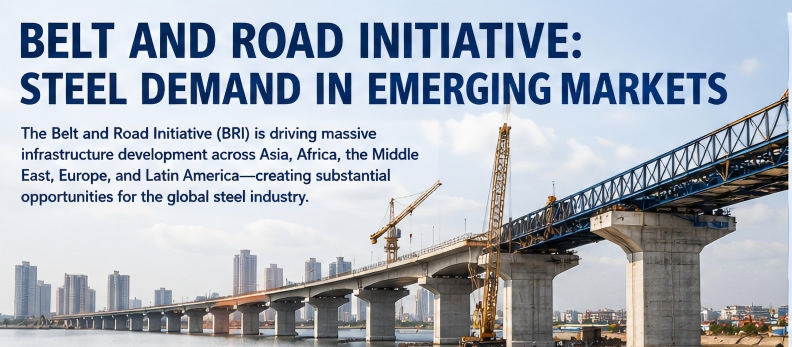
- Highways and bridges
- Deep-water ports
- Airports
- Power generation facilities
- Industrial zones
- Urban housing projects
These projects require enormous quantities of steel, making the BRI a major driver of global steel consumption.
Why Steel Is Essential for BRI Infrastructure Projects
Steel remains the preferred construction material for large-scale infrastructure due to its strength, durability, flexibility, and cost-effectiveness.
Structural Strength
Major infrastructure projects such as bridges, skyscrapers, and industrial plants require materials capable of withstanding heavy loads and harsh environmental conditions. Structural steel offers exceptional strength-to-weight ratios, making it indispensable for modern construction.
Long Service Life
Infrastructure investments under the BRI are designed for decades of operation. Steel structures provide long-term durability with minimal maintenance requirements.
Sustainability
As governments increasingly prioritize sustainable development, steel’s recyclability becomes an important advantage. Recycled steel can significantly reduce carbon emissions compared with primary steel production.
Versatility
Steel can be used in:
- Reinforcement bars (rebar)
- Structural beams
- Steel plates
- Pipelines
- Railway tracks
- Transmission towers
- Offshore structures
This versatility allows steel manufacturers to serve multiple industries involved in BRI projects.
Key Emerging Markets Driving Steel Demand
Southeast Asia
Southeast Asia has become one of the most active regions for Belt and Road investments.
Countries such as Indonesia, Vietnam, Malaysia, and Thailand are investing heavily in:
- Urban transportation systems
- Industrial parks
- Seaports
- Logistics hubs
Rapid urbanization and population growth are further increasing the demand for residential and commercial construction, creating sustained consumption of construction steel products.
South Asia
India, Pakistan, Bangladesh, and Sri Lanka continue to expand transportation and energy infrastructure.
Notable developments include:
- Railway modernization
- Highway construction
- Power transmission networks
- Smart city projects
These initiatives require substantial volumes of structural steel, reinforcing bars, and steel pipes.
Central Asia
Central Asian countries play a strategic role in connecting Asia and Europe through overland trade routes.
Infrastructure projects in Kazakhstan, Uzbekistan, and Kyrgyzstan include:
- Rail corridors
- Freight terminals
- Energy pipelines
- Industrial manufacturing zones
Steel demand in the region is expected to grow steadily as logistics networks continue to expand.
Middle East
The Middle East remains a major destination for infrastructure investment.
Large-scale projects include:
- Industrial diversification programs
- Renewable energy facilities
- Transportation corridors
- Smart city developments
Countries such as Saudi Arabia and the United Arab Emirates are investing heavily in modern infrastructure, generating strong demand for high-quality steel products.
Africa
Africa represents one of the most promising growth markets for steel consumption.
Many African nations face significant infrastructure gaps in:
- Transportation
- Power generation
- Water systems
- Housing
BRI-supported investments are helping address these challenges while creating long-term opportunities for steel suppliers.
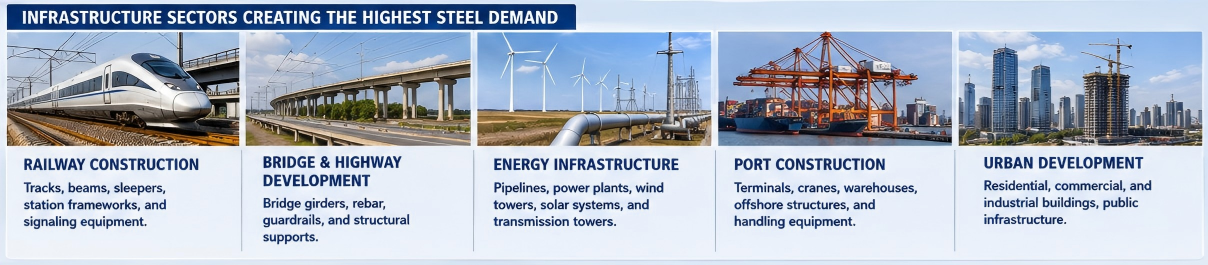
Infrastructure Sectors Creating the Highest Steel Demand
Railway Construction
Rail infrastructure is among the largest consumers of steel within the Belt and Road Initiative.
Railway projects require:
- Rail tracks
- Structural beams
- Steel sleepers
- Station frameworks
- Signaling equipment
As countries seek more efficient transportation systems, railway investments are expected to remain a major source of steel demand.
Bridge and Highway Development
Bridges and highways form the foundation of regional connectivity.
Steel is widely used in:
- Bridge girders
- Reinforcement bars
- Guardrails
- Structural supports
Large transportation corridors can consume hundreds of thousands of tons of steel throughout their construction lifecycle.
Energy Infrastructure
Energy projects are another key driver of steel consumption.
Applications include:
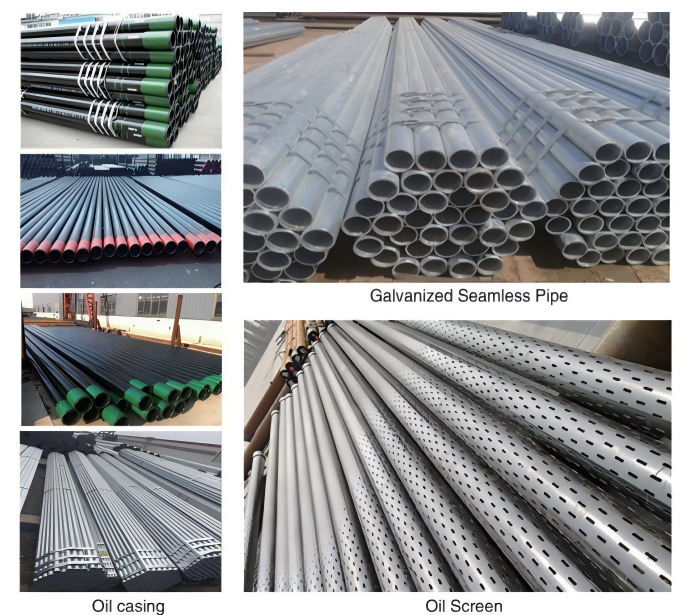
- Oil and gas pipelines
- Power plants
- Wind turbine towers
- Solar mounting systems
- Transmission towers
As emerging markets expand electricity access and renewable energy capacity, steel demand from the energy sector continues to rise.
Port Construction
Modern ports require extensive steel usage for:
- Cargo terminals
- Cranes
- Warehouses
- Offshore structures
- Container handling equipment
Port expansion projects under the BRI are helping improve global trade connectivity while increasing steel consumption.
Urban Development
Rapid urbanization across emerging economies is generating demand for:
- Residential buildings
- Commercial complexes
- Industrial facilities
- Public infrastructure
Construction steel products such as rebar, hot-rolled coils, and structural sections remain essential for urban growth.
Opportunities for Global Steel Manufacturers
The Belt and Road Initiative presents numerous opportunities for steel companies.
Export Growth
Steel producers can expand exports to countries experiencing infrastructure booms.
Demand exists for:
- Carbon steel
- Stainless steel
- Galvanized steel
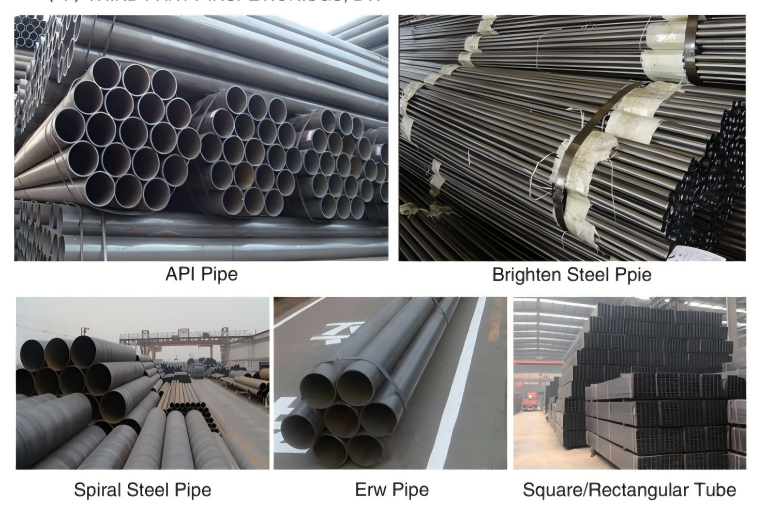
- Steel pipes
- Structural steel
Companies with strong international logistics capabilities are particularly well-positioned to benefit.
Strategic Partnerships
Many infrastructure projects involve multinational contractors and engineering firms.
Steel manufacturers can strengthen market presence through:
- Joint ventures
- Local distribution networks
- Engineering partnerships
- Long-term supply agreements
Value-Added Products
Emerging markets increasingly require advanced steel solutions, including:
- Corrosion-resistant steel
- High-strength steel
- Weathering steel
- Specialized pipeline steel
Manufacturers offering premium products can achieve higher margins while meeting evolving project requirements.
Challenges Affecting Steel Demand Growth
Despite significant opportunities, several challenges remain.
Economic Uncertainty
Global economic fluctuations can impact infrastructure financing and project timelines.
Raw Material Price Volatility
Changes in iron ore, coking coal, and energy prices directly influence steel production costs.
Environmental Regulations
Governments worldwide are implementing stricter environmental standards for steel production.
Manufacturers must invest in:
- Energy-efficient technologies
- Low-carbon production methods
- Recycling systems
Supply Chain Risks
Geopolitical tensions, transportation disruptions, and trade restrictions can affect steel supply chains and project execution.
Future Outlook
The long-term outlook for steel demand in Belt and Road markets remains positive.
Several factors support future growth:
- Continued urbanization
- Population expansion
- Industrial development
- Transportation modernization
- Renewable energy investments
Industry analysts expect infrastructure spending across emerging economies to remain a major driver of steel consumption over the next decade.
At the same time, the transition toward greener construction practices will encourage innovation in sustainable steel production. Companies that invest in advanced manufacturing technologies and environmentally responsible processes will be best positioned to capture future opportunities.
Conclusion
The Belt and Road Initiative continues to reshape global infrastructure development and create substantial steel demand across emerging markets. From railways and highways to energy facilities and urban construction, steel remains an essential material supporting economic growth and regional connectivity.
For steel manufacturers, exporters, and suppliers, the initiative offers significant opportunities to expand into high-growth regions. By understanding market trends, investing in value-added products, and building strong international partnerships, companies can leverage the ongoing infrastructure transformation and secure long-term growth in the evolving global steel market.
As emerging economies continue to modernize, steel will remain at the heart of development, making the Belt and Road Initiative one of the most influential drivers of global steel demand in the 21st century.