
Hot-Dip Galvanized vs Pre-Galvanized Steel: Differences, Applications & How to Choose
In global steel procurement and engineering applications, galvanized steel tubes are widely used in construction, infrastructure, agriculture, and manufacturing due to their excellent corrosion resistance. However, during the actual selection process, many buyers encounter a critical question: What exactly is the difference between hot-dip galvanized steel tubes and Pre-Galvanized steel tubes? Which one is better?
1.What Are Hot-Dip Galvanizing and Pr-Galvanizing?

Hot-Dip Galvanized vs Pre-Galvanized Steel
Hot-Dip Galvanized
Hot-dip galvanizing involves immersing the entire formed steel tube into molten zinc at approximately 450°C, creating a metallurgic-ally bonded zinc-iron alloy layer on the steel surface.
| Core Parameters | Technical Specifications |
| Zinc Coating Thickness | ≥55μm (ASTM A53 standard allows up to 80 μm+) |
| Coating Structure | Alloy layer + pure zinc layer (dual-layer protection) |
| Corrosion Protection Mechanism | Sacrificial anode protection + barrier protection |
| Design Life | 20–50 years (depending on the environment) |
Process Advantages: The zinc-iron alloy layer is metallurgic-ally bonded to the base metal, providing extremely strong adhesion and excellent resistance to peeling.
Pre-Galvanized
Pr-galvanization refers to the process of first galvanizing steel strip (coiled sheet), then cold-forming and welding it into steel pipe
| Core Parameters | Technical Specifications |
| Zinc Coating Thickness | 20–30 μm (GB/T 2518 standard) |
| Coating Structure | Single pure zinc layer |
| Corrosion Protection Mechanism | Primarily barrier protection |
| Design Life | 5–15 years (indoor dry environment) |
Key Defect: The zinc coating is damaged in the weld areas during the forming process, creating exposed corrosion initiation points.
2.In-Depth Performance Comparison
A.Corrosion Resistance: Decisive Differences
| Environment Type | Hot-Dip Galvanized Performance | Pre-Galvanized Performance |
| Industrial Atmosphere | Excellent, 20+ years | Moderate, 8–12 years |
| Coastal High Salt Fog | Good, 15–25 years | Poor, rusting within 3–5 years |
| Indoor Dry | Excessive | Sufficient |
B.Surface Quality and Work-ability
| Characteristic | Hot-Dip Galvanizing | Pr-Galvanizing |
| Surface Roughness | Ra 6–12 μm (with zinc bloom) | Ra 1–3 μm (smooth) |
| Appearance Grade | Industrial Grade | Decorative Grade |
| Weld-ability | Requires grinding + zinc back-filling | Requires grinding + zinc back-filling |
| Cut Ends | Requires secondary protection | Requires secondary protection |
Key Note: Both types of pipes must undergo zinc back-filling of welds after welding; otherwise, the welds will become a weak point for corrosion.
C.Standards Compliance and Export Compliance
| Application Scenario | Mandatory Standards | Recommended Material |
| North American Building Structures | ASTM A53, A123 | Hot-dip galvanized |
| EU Steel Structures | EN 10240, EN ISO 1461 | Hot-dip galvanized |
| Australian Infrastructure | AS/NZS 4680 | Hot-dip galvanized |
| Domestic General Furniture | GB/T 3091 | Pre-Galvanized (optional) |
Export Alert: Infrastructure projects in mature markets such as Europe, the U.S., and Australia generally mandate hot-dip galvanizing; Pre-Galvanized products may face acceptance risks.
3.Application Scenario Comparison
Hot-Dip Galvanized Steel Pipe Applications
Outdoor Heavy-Duty Corrosion Protection: Highway guardrails, bridge steel structures, power transmission towers
High-Humidity Environments: Agricultural greenhouses, livestock fencing, port equipment
Safety-critical applications: Scaffolding, building support structures, seismic bracing
Maintenance-free requirements: Infrastructure in remote areas, aerial work platforms
Applications for Pre-Galvanized Steel Pipes
Interior decoration: Furniture frames, shelving systems, display racks
Dry environments: Office partitions, indoor stair handrails
Short-term projects: Temporary structures, trade show booths, 3–5-year service life
Aesthetics-Priority: Surfaces requiring secondary decorative coating
4.Debunking Common Misconceptions
Misconception 1
The two differ only in galvanizing method; their performance is similar
The actual differences are significant, particularly in corrosion resistance and service life.
Misconception 2
Pre-Galvanized steel is better because it is smoother
Smooth ≠ Durable
A good appearance does not equate to superior performance.
Misconception 3
Hot-dip galvanizing is always more expensive and not cost-effective
In the long run, lower maintenance costs = better value for money
5.Why Must Many Projects Use Hot-Dip Galvanizing?
International engineering standards (e.g., for construction and infrastructure) often explicitly require the use of hot-dip galvanized steel for the following reasons:
Higher safety, lower maintenance costs, longer service life, and more consistent quality performance—this is particularly critical for export projects.
6.How to Assess Product Quality?
| Inspection Item | Acceptance Criteria | Test Method |
| Zinc Coating Thickness | ≥ 90% of nominal value | Magnetic/eddy current thickness gauge |
| Adhesion | No peeling after 180° | bending GB/T 2694 Test |
| Surface Uniformity | No missed plating, no bubbles | Visual inspection + 5x magnifying glass |
| Zinc Coating on Welds | Continuous zinc coating at weld joints | Cross-section microscopic inspection |
| Salt Spray Test | Hot-dip galvanized ≥ 1000 h, Pre-Galvanized ≥ 200 h | ASTM B117 |
Summary: Key Differences at a Glance
Hot-dip galvanized steel pipes = High corrosion resistance, long service life, suitable for outdoor projects
Pre-Galvanized steel pipes = Low cost, attractive appearance, suitable for indoor applications

Sino East Steel Group
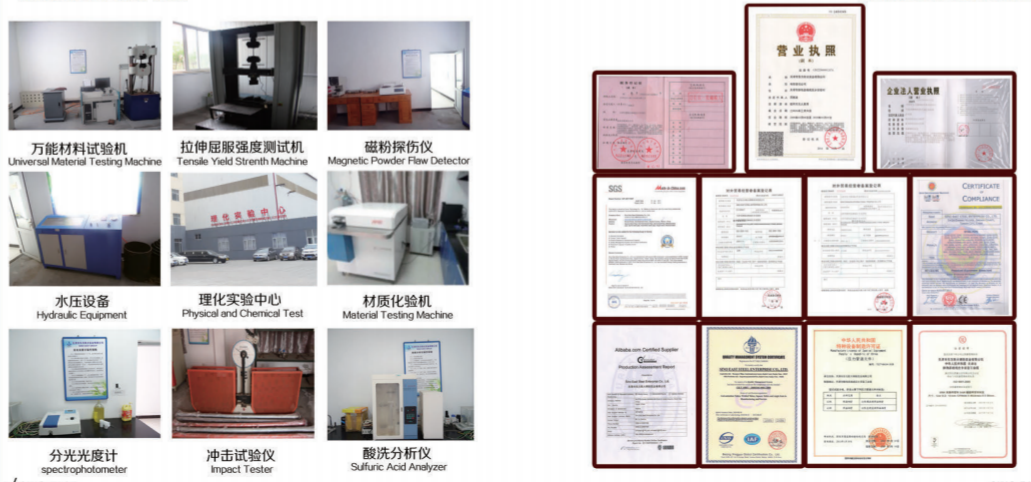
Reliable Steel structure products Supplier
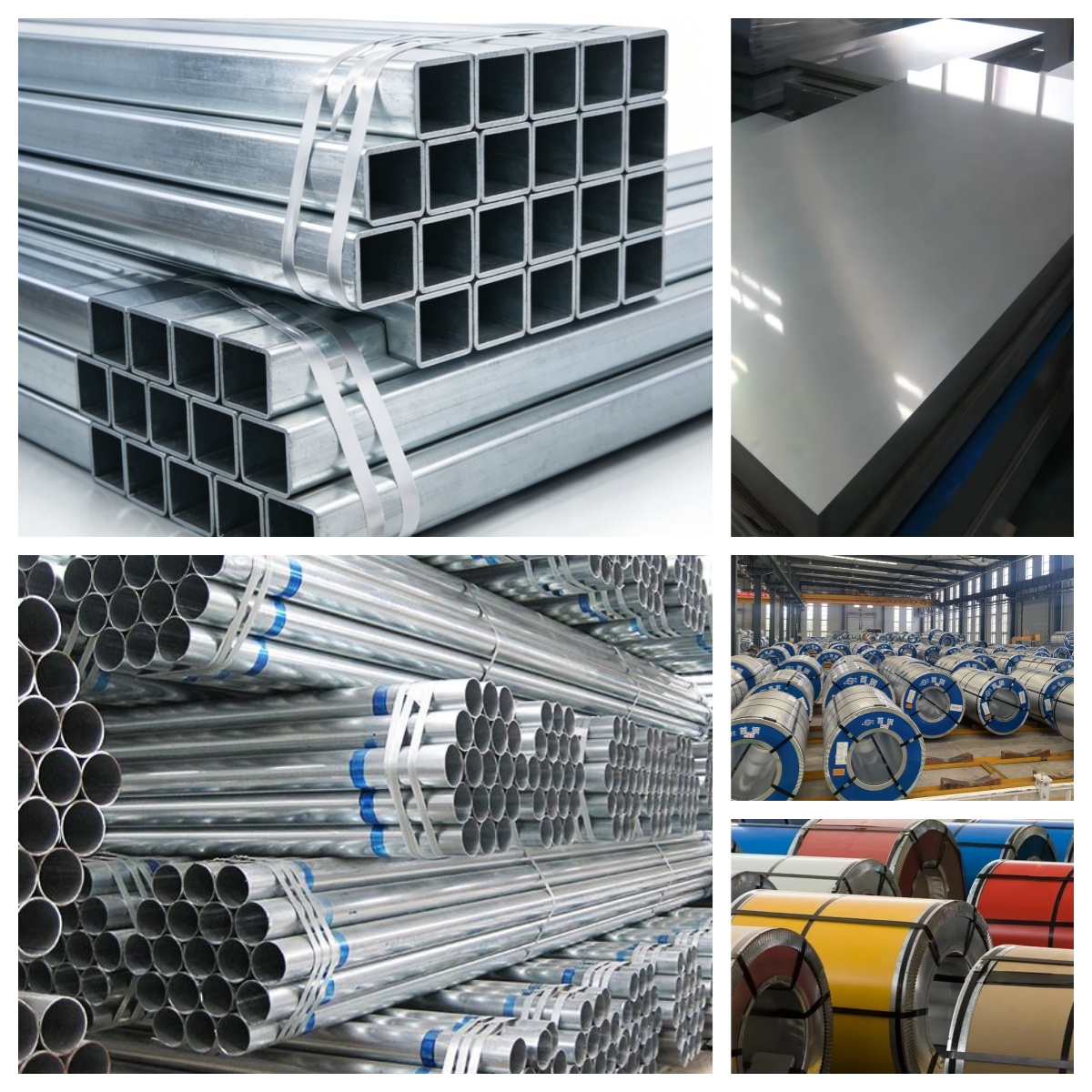
Steel Products
As a professional supplier of steel, Sino East Steel Group follows the business philosophy of ‘customers first, to strive for progress.’ We adhere to the ‘customers first’ principle and provide quality service to the majority of our customers. We sincerely would like to establish long-term business relationships with clients from all over the world.