
Choosing Steel Pipes for Fluid Transportation Systems
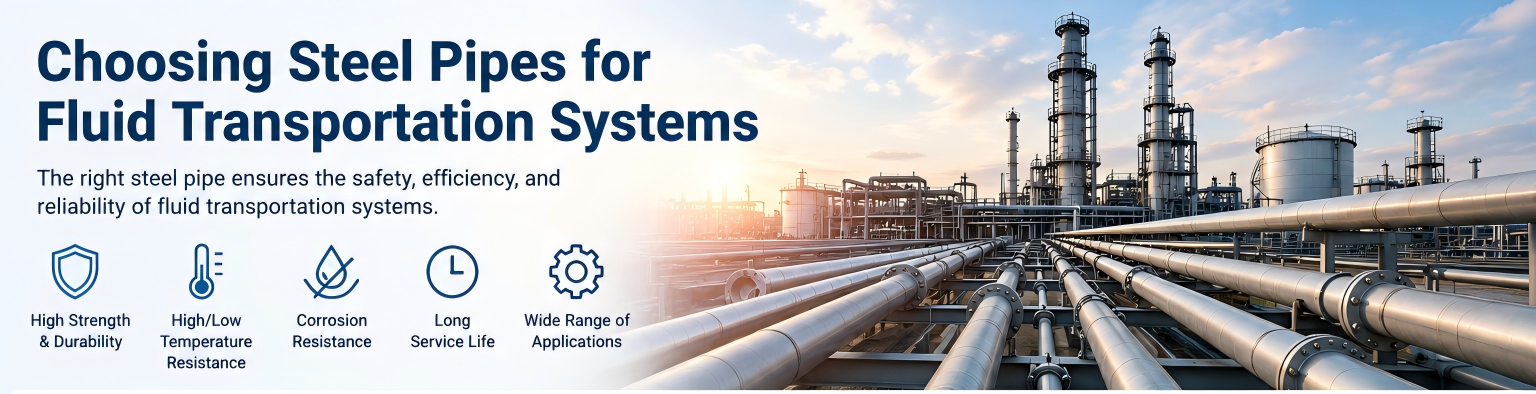
Fluid transportation systems play a vital role in industries such as oil and gas, chemical processing, power generation, water treatment, construction, and manufacturing. Whether transporting water, oil, natural gas, steam, or chemical fluids, the performance of the piping system directly impacts operational efficiency, safety, and long-term reliability.
As the core component of these systems, steel pipes must be selected carefully to ensure they meet the specific requirements of the application. Factors such as fluid characteristics, operating pressure, temperature conditions, corrosion resistance, and project budget all influence the decision-making process.
This article explores the key considerations for choosing steel pipes for fluid transportation systems and provides practical guidance for engineers, contractors, and procurement professionals.
Why Steel Pipes Are Preferred for Fluid Transportation Systems
Compared with plastic pipes, copper pipes, and other piping materials, steel pipes offer several significant advantages.
High Mechanical Strength
Steel pipes possess excellent tensile and yield strength, enabling them to withstand high-pressure environments. This makes them particularly suitable for oil and gas pipelines, industrial processing systems, and other demanding applications.
Excellent Temperature Resistance
Steel pipes maintain their structural integrity under both high and low temperatures. They are widely used in steam transportation systems, power plants, refineries, and chemical facilities where temperature fluctuations are common.
Long Service Life
With proper surface treatment and corrosion protection, steel pipes can operate reliably for decades, reducing maintenance requirements and replacement costs.
Wide Range of Applications
Steel pipes are suitable for transporting various media, including water, petroleum products, natural gas, chemicals, and industrial fluids, making them one of the most versatile piping solutions available.
Common Types of Steel Pipes for Fluid Transportation
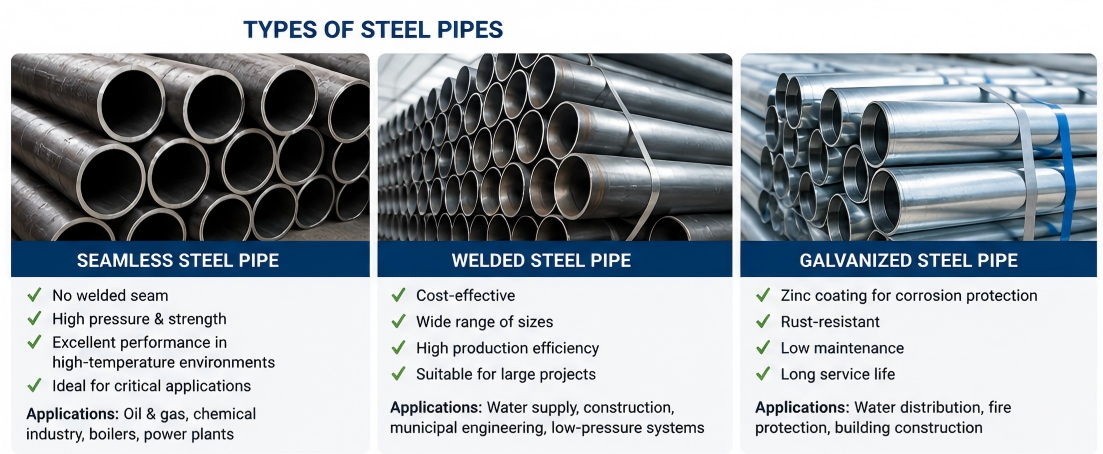
Steel pipes used in fluid transportation systems can generally be categorized according to their manufacturing processes and intended applications.
Seamless Steel Pipes
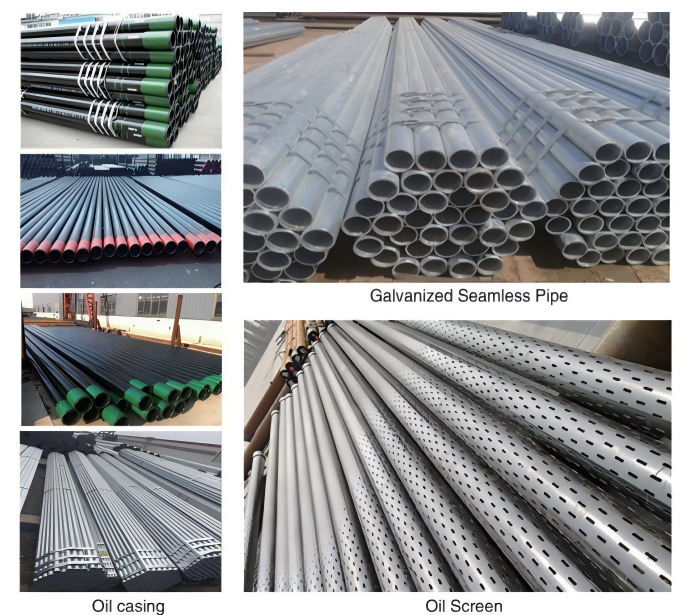
Seamless steel pipes are manufactured through piercing and hot rolling processes without any welded seams. Their uniform structure provides superior strength and pressure resistance.
Key Benefits
- High strength and durability
- Excellent pressure-bearing capacity
- Superior performance in high-temperature environments
- Reliable operation under critical service conditions
Typical Applications
- Oil and gas transportation
- Chemical processing facilities
- High-pressure boiler systems
- Power generation plants
For applications involving high pressure and elevated temperatures, seamless steel pipes are often the preferred choice.
Welded Steel Pipes
Welded steel pipes are produced by rolling steel plates or coils into a cylindrical shape and joining the edges through welding.
Key Benefits
- Cost-effective solution
- Wide range of sizes and specifications
- High production efficiency
- Suitable for large-volume projects
Typical Applications
- Water supply systems
- Municipal infrastructure
- Construction projects
- Low- and medium-pressure fluid transportation
For projects where extreme pressure resistance is not required, welded steel pipes provide an economical and practical solution.
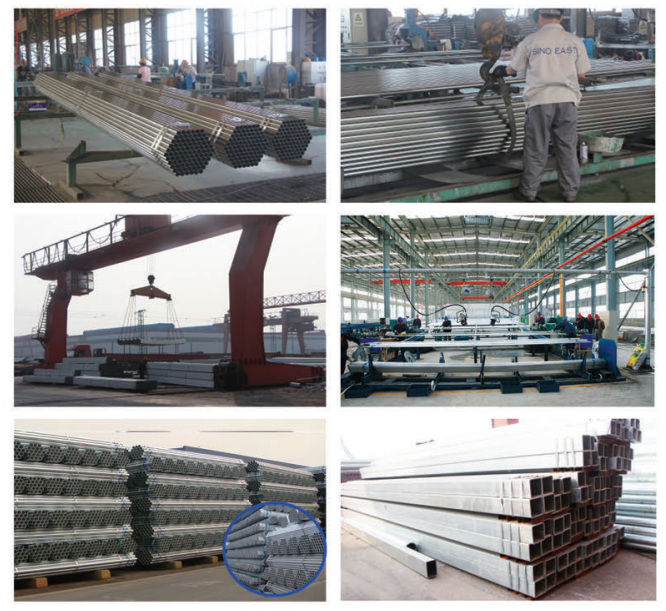
Galvanized Steel Pipes
Galvanized steel pipes feature a zinc coating applied to the pipe surface, enhancing corrosion resistance and extending service life.
Key Benefits
- Improved rust resistance
- Reduced maintenance costs
- Longer operational lifespan
Typical Applications
- Water distribution systems
- Fire protection pipelines
- Building services and construction projects
Galvanized steel pipes are particularly suitable for outdoor installations and environments exposed to moisture.
Key Factors to Consider When Selecting Steel Pipes
1. Type of Transported Medium
The characteristics of the fluid being transported significantly influence material selection.
Water Transportation
For standard water supply systems, common choices include:
- Carbon steel pipes
- Galvanized steel pipes
Oil and Natural Gas Transportation
These applications typically require high-strength materials capable of withstanding elevated pressures.
Recommended options include:
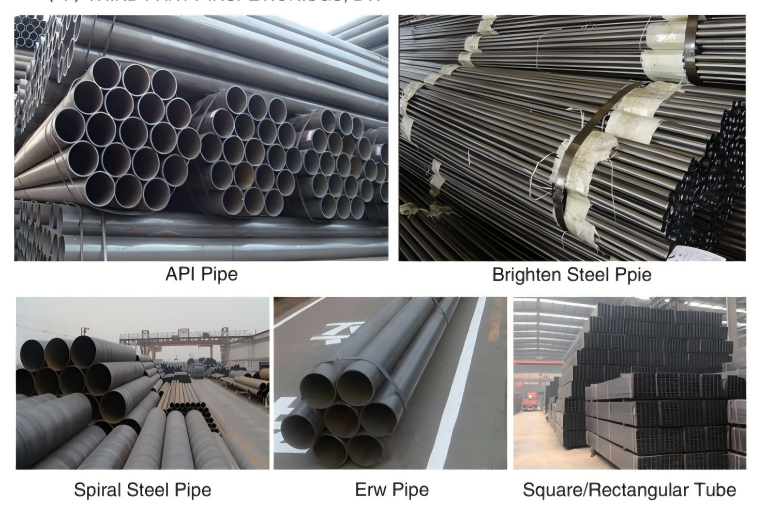
- API line pipes
- Seamless steel pipes
Corrosive Chemicals
For corrosive media, consider using:
- Stainless steel pipes
- Alloy steel pipes
- Internally lined steel pipes
A thorough understanding of the chemical composition and corrosive properties of the transported fluid is essential before selecting pipe materials.
2. Operating Pressure
Pressure rating is one of the most critical factors in pipe selection.
For high-pressure systems:
- Select pipes with thicker wall thicknesses
- Prioritize seamless steel pipes
- Ensure compliance with relevant pressure standards
For low-pressure applications:
- Welded steel pipes often provide adequate performance
- Project costs can be significantly reduced
Accurate pressure calculations and safety margins should always be included during system design.
3. Operating Temperature
Temperature conditions directly affect the mechanical properties of steel.
High-Temperature Applications
Recommended materials include:
- Alloy steel pipes
- Heat-resistant steel pipes
- High-temperature seamless pipes
Low-Temperature Applications
Special attention should be given to:
- Material toughness
- Impact resistance
Selecting the appropriate material helps prevent brittle fractures and ensures long-term reliability.
4. Corrosion Resistance Requirements
Corrosion is one of the leading causes of pipeline failure and maintenance costs.
Common corrosion protection solutions include:
- Hot-dip galvanizing
- Epoxy coatings
- Three-layer polyethylene (3PE) coatings
- Fusion-bonded epoxy (FBE) coatings
- Stainless steel materials
Projects in marine environments, chemical plants, and underground installations should prioritize corrosion-resistant solutions.
5. Pipe Diameter and Wall Thickness
Pipe dimensions directly affect flow capacity, pressure drop, and overall system efficiency.
When determining pipe size, consider:
- Required flow rate
- Fluid velocity
- System pressure
- Safety factors
Proper sizing not only improves transportation efficiency but also reduces energy consumption and operational costs.
The Importance of International Standards
High-quality steel pipes should comply with internationally recognized standards and specifications to ensure performance, consistency, and safety.
ASTM Standards
Commonly used in North America, including:
- ASTM A53
- ASTM A106
- ASTM A312
API Standards
Widely adopted in the oil and gas industry:
- API 5L
- API 5CT
EN Standards
Frequently required for European projects:
- EN 10216
- EN 10217
ISO Standards
International standards that facilitate global project compatibility and quality assurance.
Choosing steel pipes that meet recognized standards helps ensure dimensional accuracy, material quality, and long-term operational reliability.
How to Choose a Reliable Steel Pipe Supplier
Selecting the right supplier is just as important as choosing the right product.
A reputable steel pipe manufacturer should offer:
Comprehensive Quality Management Systems
Such as:
- ISO 9001 certification
- Third-party inspection reports
Extensive Export Experience
Suppliers with global project experience can better meet the requirements of different markets and industry standards.
Stable Production Capacity
Reliable manufacturing capabilities ensure timely delivery and project continuity.
Technical Support Services
Professional suppliers can assist with material selection, product recommendations, and customized pipeline solutions.
Partnering with an experienced manufacturer helps reduce procurement risks and improves overall project success.
Future Trends in Fluid Transportation Steel Pipes
Driven by infrastructure development, industrial expansion, and energy demand, the global market for fluid transportation steel pipes continues to grow.
Key industry trends include:
- Higher-strength steel grades
- Enhanced corrosion-resistant technologies
- Smart pipeline monitoring systems
- Environmentally friendly manufacturing processes
As industries seek greater efficiency and sustainability, steel pipe solutions are evolving to deliver improved performance and lower lifecycle costs.
Conclusion
Selecting the right steel pipe is essential for ensuring the safety, efficiency, and reliability of fluid transportation systems. Engineers and procurement professionals should evaluate factors such as transported media, operating pressure, temperature conditions, corrosion resistance requirements, and project budgets before making a decision.
Seamless steel pipes are ideal for high-pressure and critical applications, welded steel pipes offer cost-effective performance for general use, and galvanized steel pipes provide excellent corrosion protection in demanding environments.
By choosing products that comply with international standards and working with trusted steel pipe manufacturers, businesses can enhance system performance, minimize operational risks, and achieve long-term value from their investments.
If you are looking for high-quality steel pipe solutions for fluid transportation systems, partnering with an experienced manufacturer can help you identify the most suitable products and technical solutions for your project requirements.
