Types of Scaffolding in Construction | Complete Guide | Sino East Steel Group
Types of Scaffolding Used in Construction — Complete Guide
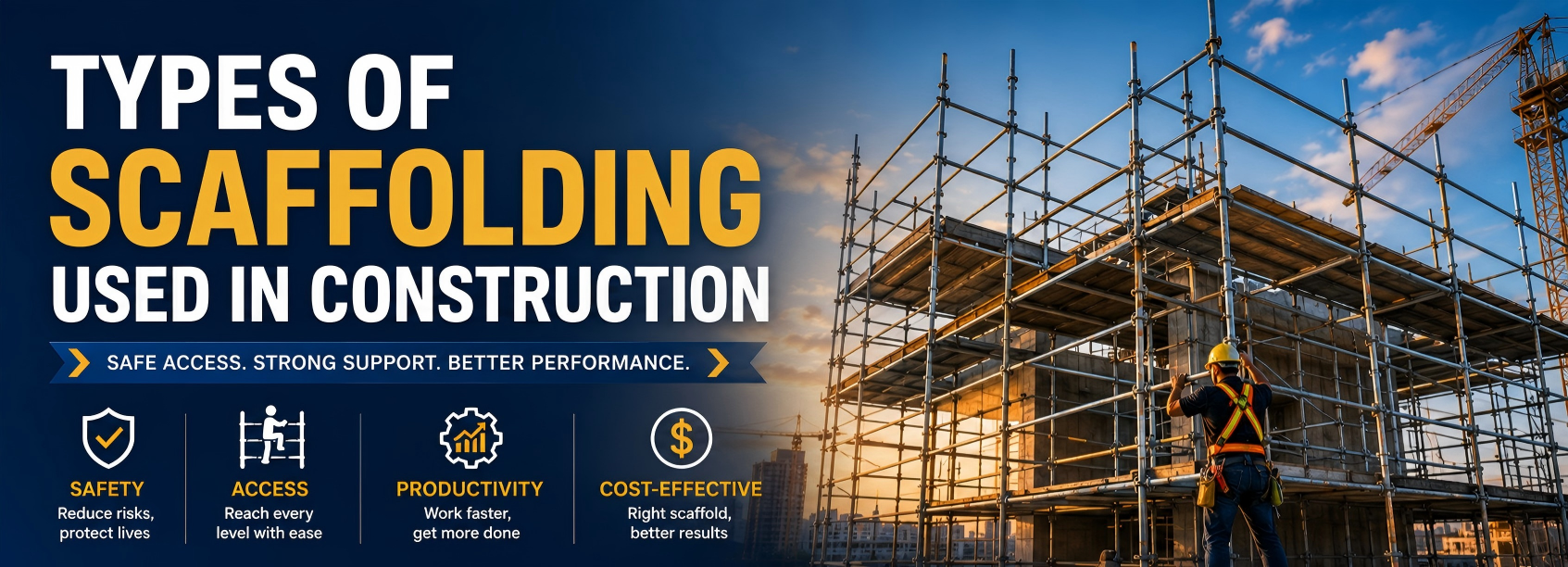
Types of Scaffolding Used in Construction
When I look at a construction site, one of the first things I check is the scaffold. The types of scaffolding used in construction can change how safely and quickly work gets done. The right setup gives workers better access, better balance, and fewer delays.
What Scaffolding Is Used For
Scaffolding is a temporary structure that helps workers reach higher or harder-to-access areas. I use it to support people, tools, and materials during building, repair, painting, masonry, and maintenance work.
It is commonly used for:
- Wall and facade work
- Bricklaying and stone work
- Painting and plastering
- Window, roof, and exterior repairs
- Industrial and infrastructure maintenance
Why the Right Type Matters
I do not treat all scaffolding the same, because each job has different risks and space limits. The wrong choice can slow down the project or create safety problems.
Choosing the right construction scaffolding types matters because it affects:
- Safety – It helps reduce falls, shifting platforms, and load issues
- Access – It gives workers the right reach for the task
- Productivity – It cuts down on setup time and movement delays
- Cost – It helps avoid renting equipment that does not fit the job
Safety, Access, and Productivity
A good scaffold is not just a platform. It is part of the work plan. When I match the scaffold to the site, the crew can move more freely, work faster, and stay more secure.
For example:
- Supported scaffolding systems work well for steady, ground-based access
- Suspended scaffolding solutions are better for tall buildings and exterior work
- Rolling scaffolding for construction helps with interior tasks that need mobility
- Temporary scaffolding structures can be shaped to fit special jobs or tight spaces
Quick View
| Job Need | What I Look For |
|---|---|
| High access | Strong height support or suspended systems |
| Fast movement | Rolling or mobile scaffold options |
| Heavy work | Higher load capacity and stable framing |
| Tight site conditions | Custom or specialized scaffolding |
In short, the best scaffolding for high-rise buildings, masonry, maintenance, or industrial work depends on the site, the load, and the work being done. I always start with those needs first, because the right scaffold improves safety, access, and overall job performance.
Supported Scaffolding: Definition and Basic Structure
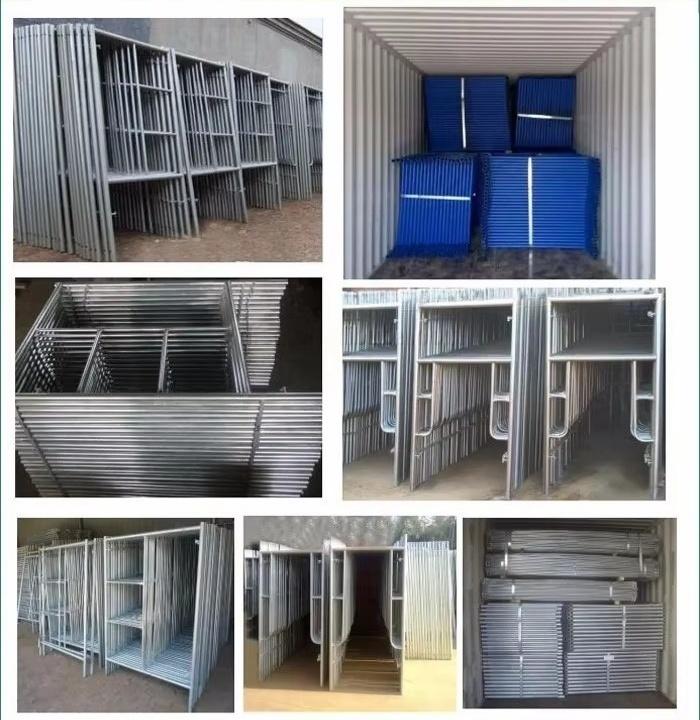
Supported scaffolding is one of the most common types of construction scaffolding used in building projects. It consists of a sturdy framework made from steel or aluminum that provides a stable platform for workers. The scaffold is supported by vertical poles or frames that rest on the ground or a solid base, making it ideal for various construction tasks.
Main Parts and How It Works
Supported scaffolding typically includes several key components:
- Standards: Vertical poles that carry the weight of the structure.
- Ledgers: Horizontal beams connecting the standards, forming the main platform support.
- Transoms: Cross braces that provide additional stability and support for the working platform.
- Planks: The actual walking and working surface, often made of wood or metal.
- Base plates or mudsills: Placed at the bottom to distribute weight and enhance stability.
The system works by distributing the load across these parts, ensuring the scaffold remains stable even under heavy weight. Proper assembly and anchoring are crucial to prevent tipping or collapse, especially when used for high-rise or heavy-duty construction.
Best Uses in Building Construction
Supported scaffolding is best suited for tasks like:
- Exterior wall work
- Bricklaying and masonry
- Installing windows or cladding
- Any project requiring a stable, load-bearing platform at various heights
It is especially useful when working on building facades or structures where a secure and reliable support system is needed. Its stability and ability to carry significant loads make it a go-to choice for many construction sites.
Stability and Load-Bearing Points
The stability of supported scaffolding depends on:
- A solid, level base, often reinforced with steel pipes or concrete blocks
- Properly secured standards and braces
- Correct load distribution across the platform
For durability, many projects use high-quality steel scaffolding equipment, which offers excellent strength and corrosion resistance. Ensuring the load-bearing points are well-supported is critical to worker safety and project success. If you want to explore durable steel options, check out steel pipes for scaffolding, which can be customized for different scaffolding needs.
Suspended Scaffolding: How It Works and When to Use It
Suspended scaffolding systems hang from the roof or a support structure, allowing workers to access high-rise exteriors safely. These systems typically use ropes, cables, or chains attached to a platform that can be raised or lowered as needed. This flexibility makes suspended scaffolding ideal for tasks like window cleaning, exterior repairs, or facade work on tall buildings.
Because these scaffolding solutions can move easily up and down, they’re perfect for projects that require frequent height adjustments. However, safety concerns are critical—regular inspections of the ropes, cables, and support points are essential to prevent accidents. Ensuring proper maintenance and following strict safety standards helps protect workers and keep the project on track.
You should consider suspended scaffolding when working on high-rise buildings where traditional supported scaffolding isn’t practical. It’s especially useful for exterior work that needs to be done quickly or repeatedly at different heights. For reliable and safe suspended scaffolding solutions, working with a trusted scaffolding supplier is a good idea.
Rolling Scaffolding: Mobile Solutions for Light-Duty and Interior Work
Rolling scaffolding, also known as mobile scaffolding, is a popular choice for interior projects and light-duty construction tasks. Its main feature is the set of wheels or casters that allow easy movement around the job site. These wheels typically have locking systems to keep the scaffold stable once in position, ensuring safety during use. Because of its mobility, rolling scaffolding makes tasks like painting, electrical work, or installing fixtures much more efficient.
Rolling scaffolds are best suited for projects where frequent repositioning is needed, such as inside buildings or areas with limited space. They are ideal for small-scale renovations, maintenance work, or tasks that require access to multiple sections of a room without the hassle of dismantling and reassembling.
Advantages of rolling scaffolding include quick setup, easy movement, and flexibility in tight or awkward spaces. However, they do have limitations—such as lower load capacities compared to supported scaffolding systems, and they might not be suitable for high or heavy-duty work.
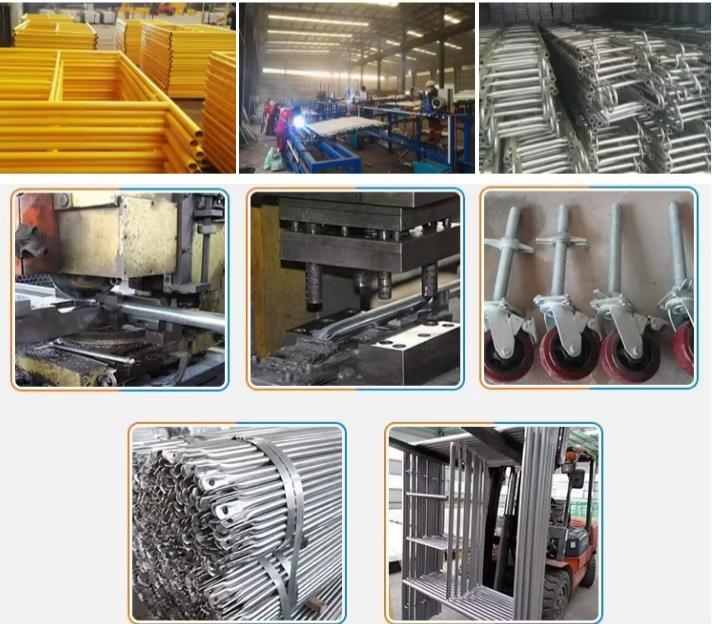
When choosing rolling scaffolding, it’s important to consider the weight of tools and materials, as well as the floor conditions to prevent accidents. For durable, high-quality options, some companies offer galvanized steel scaffolding frames, which provide extra corrosion resistance and strength, especially useful in humid or outdoor environments. You can explore options like hot-dip galvanized scaffolding frames for added durability.
Cantilever Scaffolding
I use cantilever scaffolding when I need a work platform that extends out from a building without posts on the ground below. This makes it a good choice for sites where the floor is weak, blocked, or must stay clear for traffic, storage, or public access.
What Cantilever Scaffolding Is
Cantilever scaffolding is a type of construction scaffolding where the platform is supported from one side only. The load is carried back into the structure through strong brackets, needles, or beams. In simple terms, it lets me work above obstacles without setting supports on the ground.
Where It Works Best
I usually see cantilever scaffolding used in these cases:
- Over roads, footpaths, or driveways
- Above weak soil or unfinished ground
- Around lower floors that need to stay open
- On buildings where supported scaffolding systems cannot be placed safely
Design and Support
A solid cantilever scaffolding design depends on the support points inside the building or structure. The main idea is to move the load back to a strong anchor zone, not just the outer edge.
Key points I look at:
- Strong brackets or needles fixed into the structure
- Proper tie-ins and counterbalance support
- Steel scaffolding equipment with the right tube strength
- Load checks based on working height and use
When I match the tubing and connectors, I also pay attention to wall thickness standards for seamless steel pipes because the support members must handle real site loads without bending or failing.
Common Uses
Cantilever scaffolding is common in:
- High-rise building repairs
- Exterior painting and plastering
- Bridge and overpass work
- Sites with limited ground access
- Temporary scaffolding structures in tight urban areas
Main Benefits
- Keeps ground space clear
- Works well over obstacles
- Helps on weak or uneven ground
- Fits many scaffolding for high-rise buildings jobs
Main Limits
- Needs careful engineering and setup
- Not ideal for light, fast, low-risk jobs
- Must be inspected often because support failure can be serious
For me, cantilever scaffolding is best when access is difficult but the structure itself is strong enough to carry the load safely.
Single Scaffolding for Masonry
Single scaffolding is a basic setup commonly used for masonry work, especially on brick walls. It consists of a single row of standards (vertical posts) with ledgers (horizontal supports) that hold the working platform. This type of scaffolding is ideal for projects where access is needed at a moderate height and space is limited.
Why It’s Used for Brick Walls
Single scaffolding is perfect for bricklaying because it provides a stable and accessible platform right next to the wall. It allows masons to work comfortably at various heights without the need for complex support structures. Its simple design makes it easy to set up and dismantle, which helps keep project timelines tight.
Cost-Effective Benefits
One of the biggest advantages of single scaffolding is its cost-effectiveness. Since it uses fewer materials and takes less time to install, it reduces overall project costs. This makes it a popular choice for small to medium masonry projects, especially when budget is a concern.
Typical Project Fit
Single scaffolding works best for projects involving brick walls, plastering, or painting at moderate heights. It’s commonly used in residential building renovations, small commercial structures, and other projects where quick setup and easy access are needed. For larger or more complex projects, other types of scaffolding might be more suitable, but for straightforward masonry work, single scaffolding is often the best choice. If you’re considering this option, it’s helpful to check out scaffolding rental vs purchase to find the best fit for your project needs.
Double Scaffolding Used in Construction
Double scaffolding is the setup I use when a wall needs extra support, especially in stone masonry. It uses two rows of standards, so the scaffold stands on its own without relying too much on the wall itself. That makes it a safer choice for heavier work and rougher job sites.
Stronger Support
I prefer double scaffolding when the surface is not ideal for fixing putlogs into the wall. This is common in stone work, where the wall is too hard or uneven for a single scaffold setup. The second row adds strength, keeps the platform steady, and helps carry more load.
For tougher sites, I look for rigid frames made with steel structure components because they handle heavy use better and stay stable for longer projects.
Why It Works Well
- Better load support for masonry work
- More stable than single scaffolding in many cases
- Independent support structure for safer access
- Good fit for walls where wall-anchoring is limited
- Helps workers move and place materials with less risk
Where I Use It Most
Double scaffolding applications are best for stone masonry, heritage repairs, and exterior wall work where strength matters more than speed. It is also useful on projects that need supported scaffolding systems with a solid base and consistent access.
In my experience, this type is a practical choice when the job calls for durability, safety, and a scaffold that can stand up to demanding construction conditions.
Specialized Scaffolding Types
In addition to the common scaffolding options, there are specialized types designed for specific needs in construction. Steel scaffolding is widely used because of its strength and durability, making it ideal for heavy-duty projects. Aluminum scaffolding offers a lightweight alternative, making it easier to move around and set up, especially in projects requiring quick assembly. Trestle scaffolding is often found in indoor settings or for tasks at lower heights, providing a stable platform for workers.
Temporary scaffolding structures are used when quick, short-term access is needed, such as during repairs or renovations. These often include modular systems that can be assembled and disassembled rapidly. Beyond these, there are other niche scaffolding solutions tailored for unique environments—like mobile scaffolds for tight spaces or custom-designed platforms for specialized tasks.
Choosing the right type depends on project specifications, site conditions, and safety standards. For example, steel scaffolding equipment is preferred for its load capacity and longevity, while aluminum scaffolding products are favored for their ease of handling. When selecting specialized scaffolding, it’s essential to consider durability, safety, and how well the system integrates with your overall construction plan.
Scaffolding Materials and Specifications
When choosing scaffolding, material matters a lot. The most common options are steel scaffolding equipment and aluminum scaffolding products. Each has its strengths, depending on the project needs.
Steel vs Aluminum Scaffolding
| Feature | Steel Scaffolding | Aluminum Scaffolding |
|---|---|---|
| Durability | Very strong, long-lasting | Slightly less durable but still reliable |
| Corrosion Resistance | Needs protective coating, prone to rust | Naturally corrosion-resistant, ideal for outdoor use |
| Load Capacity | Higher load capacity, supports heavier equipment | Moderate load capacity, lighter for easy handling |
| Weight | Heavier, more stable | Lighter, easier to move around |
Key Considerations
- Durability and corrosion resistance are crucial for outdoor or long-term projects. Steel scaffolding, especially when treated with anti-corrosion processes, can last for years even in tough environments. You can explore more about anti-corrosion steel pipe techniques here.
- Load capacity varies between materials. Steel tends to support heavier loads, making it suitable for industrial or heavy-duty construction.
- Modular design and customization are available with both materials, allowing you to tailor scaffolding to fit specific project requirements.
Matching Materials to Projects
- Use steel scaffolding for heavy-duty, high-rise, or industrial projects.
- Opt for aluminum scaffolding when weight is a concern, such as interior work or quick setup jobs.
Choosing the right material ensures better safety, longer lifespan, and cost efficiency. Always match the scaffolding material to your project’s specific needs for optimal results.
Scaffolding Safety Standards
Ensuring safety is a top priority when working with construction scaffolding. OSHA (Occupational Safety and Health Administration) sets strict safety rules to protect workers and prevent accidents. These standards cover everything from proper installation to regular inspections of scaffolding systems. For example, supported scaffolding must be securely anchored, and suspended systems should have safety harnesses and fall protection measures in place.
Regular inspection is crucial—before each shift, workers should check for damaged parts, loose fittings, or corrosion. Using high-quality scaffolding materials, like durable steel scaffolding equipment, helps maintain stability and safety. Worker safety best practices include wearing personal protective equipment (PPE), following safe load limits, and avoiding overreach or unstable footing.
Proper training is essential to ensure everyone understands how to assemble, use, and inspect scaffolding correctly. Compliance with safety standards not only reduces risks but also boosts productivity by creating a safer work environment. For those looking for reliable scaffolding solutions, partnering with a trusted scaffolding supplier can make a big difference in maintaining safety and efficiency on site.
How to Choose the Right Scaffolding Type
Picking the right construction scaffolding depends on several key factors. Here’s a quick guide to help you match the scaffold type to your project needs:
1. Project Height and Load Needs
- For tall buildings, supported scaffolding or suspended scaffolding are common choices.
- Heavy loads, like equipment or multiple workers, require sturdy options like steel scaffolding or double scaffolding.
- Check the load capacity to ensure safety and stability.
2. Site Conditions and Access Challenges
- Narrow or confined spaces often need rolling scaffolding for mobility.
- Uneven or weak ground might call for cantilever scaffolding to avoid ground support issues.
- For tricky access points, suspended scaffolding offers flexibility.
3. Duration and Environment Factors
- Short-term projects benefit from rental scaffolding solutions.
- Harsh weather or corrosive environments need corrosion-resistant materials like aluminum or galvanized steel.
- Consider climate and site conditions to prevent deterioration.
4. Matching the Scaffold to the Job
| Project Type | Best Scaffold | Notes |
|---|---|---|
| Masonry work | Single scaffolding | Cost-effective for brick walls |
| Stone masonry | Double scaffolding | Extra support for heavy stone |
| High-rise buildings | Supported or suspended scaffolding | Safety and access are critical |
| Interior work | Rolling scaffolding | Easy to move around |
Matching the right scaffolding type ensures safety, efficiency, and cost savings. Always evaluate your project’s specific needs before making a choice.
Scaffolding Applications in Construction
Scaffolding plays a vital role across different types of construction projects, helping workers reach heights safely and efficiently. In residential building projects, supported scaffolding systems are often used to provide stable access for bricklaying, roofing, and interior finishing. For commercial construction work, a mix of supported and suspended scaffolding solutions is common, especially for multi-story office buildings and shopping centers.
In industrial maintenance and repair, scaffolding is essential for accessing hard-to-reach areas like factory ceilings, tanks, and machinery. Here, specialized scaffolding types such as aluminum scaffolding products are popular because they are lightweight and easy to move around. For large-scale projects like bridges, highways, and infrastructure jobs, heavy-duty steel scaffolding equipment is preferred to handle the demanding load capacities and ensure safety.
Overall, choosing the right scaffolding type depends on the specific needs of each project, including height, load, and site conditions. Proper application of scaffolding not only improves safety but also boosts productivity by making work easier and faster. Whether it’s a small residential job or a major infrastructure project, the right scaffolding solution makes all the difference.
Scaffolding Type Comparison
Choosing the right scaffolding depends on your project needs, safety, and mobility. Here’s a quick comparison of the main types of scaffolding used in construction:
| Scaffold Type | Pros | Cons | Best Use Cases | Safety & Mobility Highlights |
|---|---|---|---|---|
| Supported Scaffolding | Stable, high load capacity, versatile | Takes space, setup time | Building walls, large projects | Very stable, easy to inspect |
| Suspended Scaffolding | Flexible height, easy to adjust, good reach | Safety risks, needs regular inspection | High-rise window cleaning, exterior repairs | Good mobility, but safety depends on proper setup |
| Rolling Scaffolding | Mobile, quick to move, ideal indoors | Limited load capacity, less stability | Interior work, light-duty tasks | Very mobile, lock wheels securely for safety |
| Cantilever Scaffolding | Can work over obstacles, weak ground support | Complex setup, higher cost | Overhangs, weak or uneven ground | Safe when properly supported, good for tricky sites |
| Single Scaffolding | Cost-effective, simple for masonry work | Less stable for heavy loads | Brick walls, small projects | Stable for basic tasks, easy to move |
| Double Scaffolding | Extra support for stone masonry | More expensive, complex setup | Stonework, heavy masonry projects | Very stable, supports heavy loads |
Why the right choice matters
Using the correct scaffolding type improves safety, access, and productivity. For example, supported scaffolding provides stability for heavy work, while suspended systems offer flexibility for high-rise tasks.
Safety and mobility differences
- Supported scaffolding offers high stability but is less mobile.
- Suspended and rolling scaffolds are more mobile but require careful safety checks.
- Cantilever scaffolding is ideal for difficult ground conditions but needs expert setup.
Matching the scaffold type to your project ensures safety, efficiency, and cost-effectiveness. For more details on materials, check out scaffolding materials and specifications.
Common Questions About Construction Scaffolding
I get these questions a lot when people compare construction scaffolding types. The short answer is simple: I choose the scaffold based on height, access, load, and safety.
Best Scaffolding for High-Rise Work
For scaffolding for high-rise buildings, I usually look at suspended scaffolding solutions first.
- Best for exterior cleaning, painting, and facade repair
- Good when the ground space is tight
- Easier to move up and down on tall buildings
- Needs strict inspection and trained workers
| Job Type | Best Option | Why |
|---|---|---|
| High-rise exterior work | Suspended scaffolding | Reaches upper floors fast |
| Masonry walls | Single or double scaffolding | Stable for wall-side work |
| Indoor maintenance | Rolling scaffolding | Easy to move |
| Work over obstacles | Cantilever scaffolding | Clears weak or blocked ground |
Supported vs Suspended
Supported scaffolding systems and suspended scaffolding work in very different ways.
- Supported scaffolding rests on the ground and uses frames, standards, and braces
- Suspended scaffolding hangs from the top of the structure and moves with the work area
- Supported types are better for heavy loads and general building work
- Suspended types are better for tall buildings and exterior access
What Affects Scaffolding Cost
Scaffolding cost depends on more than just the frame itself. I usually check these points first:
- Height and total coverage
- Load capacity needed
- Rental time or purchase price
- Steel scaffolding equipment vs aluminum scaffolding products
- Site setup, transport, and labor
- Safety gear and inspection needs
If I need stronger frame parts, I also look at steel square bar for scaffold frames because material strength can change the full project cost.
Rental or Custom
For many global projects, scaffolding rental for construction makes sense when the job is short or the site changes often.
- Use rental for short-term repair, maintenance, and seasonal work
- Use custom scaffolding for complex sites, unusual heights, or special loads
- Choose modular systems when I need fast setup and easy changes
- Pick temporary scaffolding structures when the project is temporary but safety still matters
Quick Choice Guide
- High-rise work: suspended
- Heavy masonry: supported
- Interior jobs: rolling
- Blocked ground: cantilever
- Short projects: rental
- Special layouts: custom
Bottom Line
When I choose the right scaffolding type, I look at safety standards, access, and productivity first. The best scaffold is the one that fits the job, the site, and the team working on it.