
Welded vs Seamless Pipes Production Process Differences Explained
What Are Welded Pipes?
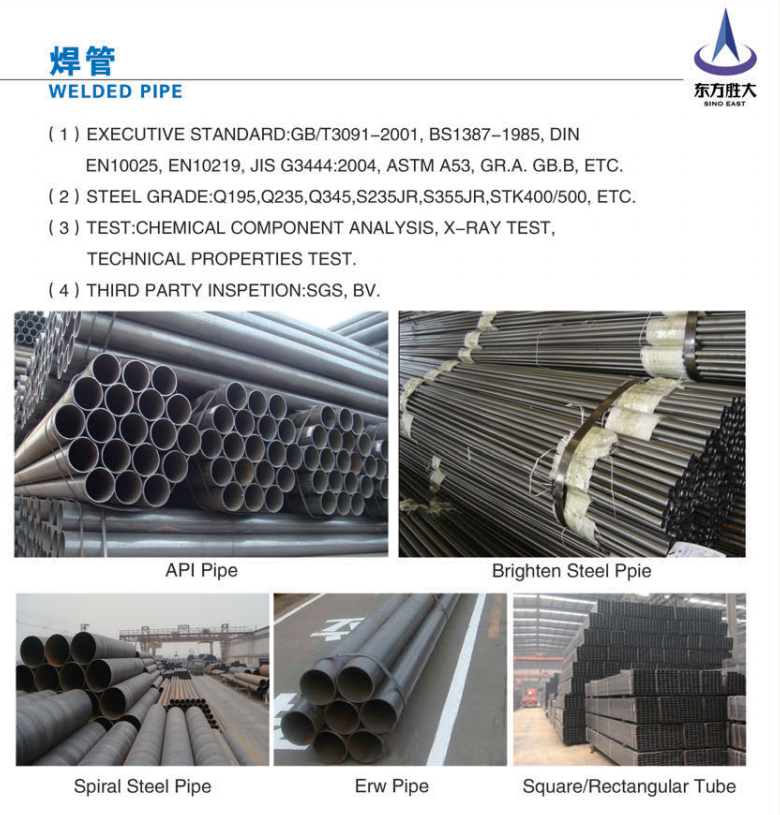
Welded pipes are a type of steel pipe made by forming flat steel strips or plates into a round shape and then joining the edges together using welding techniques. This process creates a visible seam—also called a weld line—along the length of the pipe. Welded pipe manufacturing process is widely used for its efficiency and versatility in industrial pipe production.
Main Types of Welded Pipes
Welded pipes come in several types, each with unique production methods:
-
ERW (Electric Resistance Welded) Pipes:
Made by passing a high-frequency electric current through the steel edges, fusing them together without extra welding material. ERW pipe vs seamless pipe is a common comparison, especially for water pipelines and structural applications.
-
LSAW (Longitudinal Submerged Arc Welded) Pipes:
Produced by bending steel plates and welding them along a straight seam. LSAW pipes are popular for large-diameter, high-strength needs.
-
SSAW (Spiral Submerged Arc Welded) Pipes:
Manufactured by spirally forming steel coils and welding the seam. SSAW pipes are excellent for long-distance pipelines due to their flexibility in diameter and thickness.
Common Materials Used in Welded Pipes
Welded pipes are typically made from:
- Carbon steel (most common in steel pipe production comparison)
- Stainless steel (for corrosion resistance)
- Alloy steel (for higher strength and temperature resistance)
These material options make welded pipes suitable for a wide range of welded pipe applications, from construction to water transport.
In : Welded pipes offer flexibility, cost-effectiveness, and a variety of types and materials. Their manufacturing process is a key part of the steel tubing manufacturing differences you’ll find when comparing welded vs seamless pipe differences.
What Are Seamless Pipes?
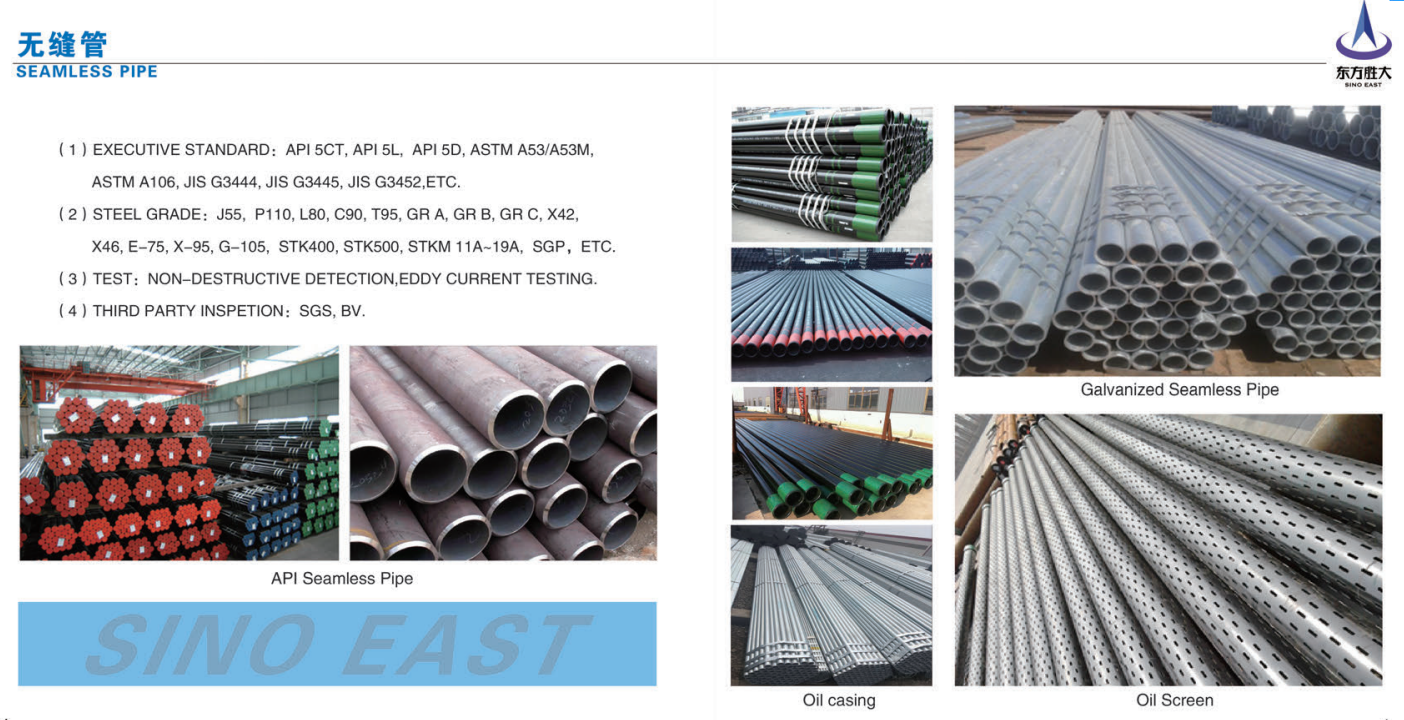
Seamless pipes are steel tubes made without any welded seams. They’re created from a solid billet of steel that’s heated and then pierced to form a hollow tube. Because there’s no weld, seamless pipes offer a smooth, uniform structure throughout. This is a big reason why seamless pipe production techniques are trusted for high-pressure and critical applications.
Core Features of Seamless Pipes
- No Weld Seam: The biggest advantage—no weak spots from welding.
- Uniform Structure: The pipe wall is consistent, inside and out.
- High Pressure Resistance: Seamless steel pipes handle extreme pressure and temperature changes better than welded pipes.
- Superior Strength: Because there’s no weld, these pipes are less likely to fail under stress or pressure.
Typical Materials Used
Seamless pipes are usually made from:
- Carbon steel
- Alloy steel
- Stainless steel
These materials are chosen for their durability and ability to withstand tough working environments.
Strength and Durability
Seamless pipes are known for their strength and long service life. They’re ideal for industries like oil and gas, power generation, and chemical processing—anywhere reliability under pressure matters. Their seamless structure means fewer chances for leaks, cracks, or corrosion, especially in harsh or high-pressure settings.
If you want to know more about how seamless pipes compare to welded options, check out this overview on steel tubing manufacturing differences.
Production Process of Welded Pipes
Welded pipe manufacturing starts with forming a steel strip or plate into a cylindrical shape. This is the first big step in the welded pipe production process. The edges of the steel are then joined using welding techniques like Electric Resistance Welding (ERW) or Submerged Arc Welding (SAW), depending on the pipe’s size and use.
After welding, the pipes go through post-welding treatments. These include heat treatment to relieve stress and sizing to make sure the diameter is spot on. Key equipment in this process includes forming mills, welding machines, and sizing presses—each one making sure the pipe meets strict quality standards.
Quality control is critical. Every welded pipe is checked for weld integrity, often using ultrasonic or hydrostatic testing. This ensures there are no weak spots or defects along the seam. For example, our Q235 hot rolled welded steel pipe follows a strict welded pipe quality standard to guarantee performance and safety.
Welded pipe manufacturing is popular for its efficiency and ability to produce large diameters. However, maintaining weld quality is key to reliable performance, especially in demanding industrial applications.
Production Process of Seamless Pipes
Seamless pipe production techniques are all about starting with a solid steel billet. First, the billet is cut and heated to a high temperature. This makes it soft enough for the next step—piercing. The hot billet gets pierced in the center with a special rotary tool, creating a hollow tube. From there, the pipe goes through extrusion or rolling to get its final diameter and wall thickness.
After forming, seamless pipes need finishing touches. They go through heat treatment for strength and durability, then straightening for a clean, uniform shape. Advanced methods like precision rolling or controlled cooling can boost performance—especially if you need seamless pipe for high pressure or critical applications.
But this process isn’t simple. It takes more energy and high-tech equipment compared to welded pipe manufacturing. That means a higher cost, especially for larger diameters. Still, seamless steel pipes are the go-to choice when you need top strength, reliability, and no weld seam. If you’re tracking seamless steel pipe prices, check out the latest updates on seamless steel pipe pricing and trends.
Key Differences in Production Processes: Welded vs Seamless Pipes
When comparing the welded pipe manufacturing process to seamless pipe production techniques, the differences start right at the beginning—with raw materials and forming methods.
Raw Material Preparation
- Welded pipes: Start with steel plates or strips. The material is rolled into shape before being welded.
- Seamless pipes: Begin as solid steel billets. These are heated and then pierced to create a hollow tube.
Forming and Joining Methods
- Welded Pipes: The steel strip is bent into a round shape and the edges are joined using welding (like ERW or LSAW methods). The weld seam is the main difference in structure.
- Seamless Pipes: No welding is used. The billet is pierced, then stretched and rolled to size. This creates a pipe with no seam at all.
Time and Cost Efficiency
| Feature | Welded Pipes | Seamless Pipes |
|---|---|---|
| Production Speed | Faster, more automated | Slower, more steps involved |
| Cost | Lower (more efficient for large runs) | Higher (more complex process) |
| Size Flexibility | Good for large diameters | Best for smaller diameters |
Impact on Pipe Structure and Performance
- Welded pipe structure: Has a visible weld seam. Modern welded pipe quality standards ensure strength, but the seam can be a weak point under extreme pressure.
- Seamless pipe structure: No seam, so it offers uniform strength and better performance for high-pressure or critical applications.
If you need pipes for high-pressure or seamless steel pipe supplier solutions, seamless options are usually the top pick. For less demanding jobs, welded pipes are cost-effective and available in many sizes. For more on pipe storage and maintenance, see our guide on storing seamless steel pipes.
- Welded pipe manufacturing is faster and cheaper, ideal for standard uses.
- Seamless pipe production techniques deliver stronger, seam-free pipes for tough jobs.
- Your choice depends on your project’s pressure, cost, and size needs.
Advantages and Disadvantages of Welded Pipes
Welded pipes are popular mainly because they are cost-effective and readily available, making them a go-to choice for many projects. Since the manufacturing process involves rolling steel sheets or plates and welding them together, production is faster and cheaper compared to seamless pipes. This means you can often find large diameter welded pipes at a lower cost, which is especially useful for infrastructure and structural applications.
However, welded pipes do have some downsides. The welding process can introduce potential weld defects, such as cracks or weak spots, which might affect the pipe’s overall strength and durability. Over time, these weak points could lead to failures under high pressure or stress, especially if quality control isn’t strict. That’s why testing and quality improvements—like ultrasonic testing or hydrostatic testing—are crucial to ensure the welds are solid and meet industry standards.
While welded pipes are generally suitable for many applications, their strength limits compared to seamless pipes can be a concern in high-pressure environments. Despite these disadvantages, ongoing advancements in welding technology and quality assurance help mitigate these issues, making welded pipes a reliable and economical choice for most standard uses.
Advantages and Disadvantages of Seamless Pipes
Seamless pipes stand out in the steel pipe production world for a few big reasons. Let’s break down the main advantages and disadvantages of seamless pipe production techniques.
Advantages of Seamless Pipes
-
Superior Strength, No Weld Seam
Seamless pipes are made without any welded joint, so there’s no weak spot along the length. This gives them extra strength and reliability, especially for high-pressure or high-temperature jobs. That’s why seamless steel pipes are a top pick for oil, gas, and chemical industries.
-
Corrosion Resistance
With no weld seam, seamless pipes are less likely to have corrosion issues at the joint. The uniform structure means better long-term performance, especially in harsh or corrosive environments. If you’re looking for a seamless steel pipe supplier, you’ll find these pipes are a smart choice for demanding conditions.
-
Smooth Inner Surface
The seamless pipe manufacturing process creates a smooth interior, which helps reduce flow resistance and buildup. It’s perfect for transporting fluids, gas, or chemicals where cleanliness and flow are crucial.
Disadvantages of Seamless Pipes
-
Higher Cost
Seamless pipe production techniques are more complex and require advanced equipment. This pushes the price higher compared to welded pipes. For large projects with a tight budget, this can be a drawback.
-
Size Limits
Seamless pipes are typically available in smaller diameters and thicknesses than welded pipes. If you need large-diameter pipes, welded options might be more practical.
-
Cost-Effective Only in Certain Cases
While seamless pipes are unmatched for high-pressure and critical applications, for standard or low-pressure jobs, welded pipes are often more cost-effective.
Table: Seamless Pipe Pros & Cons
| Feature | Seamless Pipes |
|---|---|
| Strength | Superior, no weld seam |
| Corrosion Resistance | Excellent |
| Cost | Higher |
| Size Range | More limited |
| Best Use Cases | High-pressure, critical industries |
If you’re weighing up welded vs seamless pipe differences, seamless is the way to go when you need top strength and corrosion resistance. But for bigger sizes or lower costs, welded pipes might fit better.
Applications: Welded vs. Seamless Pipes
Welded pipes are commonly used in applications like water pipelines and structural projects. Their cost-effectiveness and availability make them ideal for large-scale construction and infrastructure projects. Welded pipes are also easier to produce in various sizes, especially larger diameters, which suits many industrial needs.
Seamless pipes, on the other hand, excel in high-pressure environments like oil and gas transportation. Because they are free of weld seams, they offer superior strength and corrosion resistance, making them suitable for critical applications where safety and durability are top priorities. Industries that require high-pressure piping often prefer seamless steel pipes for their reliability.
Choosing the right pipe depends on your project’s specific needs. If cost and quick availability matter most, welded pipes might be the better option. But for projects demanding high strength and safety, seamless pipes are generally the preferred choice. Understanding these differences helps ensure you select the best pipe for your application, whether it’s for water supply, structural support, or high-pressure systems.
Quality Assurance and Standards in Welded and Seamless Pipe Production
Quality assurance is a big deal in both welded and seamless pipe manufacturing. To make sure every steel pipe meets strict performance standards, producers stick to international benchmarks like ISO and API. These standards cover everything from the welded pipe manufacturing process to seamless pipe production techniques, focusing on consistency, safety, and durability.
Key Quality Standards
- ISO Standards: Global guidelines for quality management and product consistency.
- API Standards: Widely used in the oil and gas industry, ensuring pipes can handle tough conditions.
Testing Processes
To guarantee reliability, every pipe goes through tough tests:
- Hydrostatic Testing: Pipes are filled with water and pressured to check for leaks.
- Ultrasonic Testing: High-frequency sound waves scan for internal flaws, especially in weld seams.
These checks are critical for both ERW pipe vs seamless pipe options, making sure each product is ready for demanding applications.
Focus on Reliability and Durability
Both welded pipe quality standards and seamless pipe checks aim for one thing: pipes you can trust. This means:
- No hidden cracks or weak welds
- Consistent wall thickness
- Long service life, even under high pressure
For more details on manufacturing standards and testing, you can check our FAQ page about pipe quality and production. We’re committed to delivering pipes that meet global requirements, every time.
Why Choose Sino East?
When it comes to welded pipes and seamless pipes, Sino East stands out with its expertise in pipe manufacturing. We have years of experience producing high-quality steel pipes that meet strict international standards like ISO and API. Our team understands the importance of durability and performance, whether you need pipes for high-pressure applications or large-diameter water pipelines.
Customization for Your Projects
We offer tailored solutions to match your specific needs. Whether you require custom sizes, materials, or finishes, our manufacturing process can be adapted to fit your project. For seamless pipes, we can produce precision pipes for demanding industries like oil and gas. Check out our square tubing sizes chart for more options.
Competitive Pricing & Global Supply
Sino East provides cost-effective pipe solutions without compromising quality. Our efficient production methods help us keep prices competitive, making us a reliable partner worldwide. We supply a wide range of welded and seamless pipes to meet diverse industry needs, from construction to high-pressure systems.
Table
| Feature | Benefits |
|---|---|
| Expertise | Proven experience in pipe manufacturing |
| Customization | Tailored sizes, materials, finishes |
| Pricing | Competitive and budget-friendly |
| Global Supply | Reliable delivery worldwide |
Choosing Sino East means getting durable, high-quality pipes backed by professional service and flexible options.
Frequently Asked Questions (FAQs)
What are the main differences between welded pipes and seamless pipes?
The biggest difference lies in their production processes. Welded pipes are made by rolling steel strips or plates and welding the edges together, while seamless pipes are produced by piercing and extruding a solid billet to form a hollow tube. This difference impacts their strength, durability, and applications. Welded pipes are generally more cost-effective and easier to produce in large sizes, but seamless pipes tend to offer higher strength and better performance in high-pressure environments. You can explore more about welded vs seamless pipe differences for a detailed comparison.
How does cost-effectiveness compare between welded and seamless pipes?
Welded pipes usually come out as the more budget-friendly option because their production process is simpler and faster. They are ideal for projects where cost savings are crucial, such as water pipelines and structural uses. Seamless pipes, on the other hand, cost more due to their complex manufacturing process but offer superior strength and corrosion resistance, making them suitable for high-pressure applications. If you’re considering large-scale or high-performance needs, investing in seamless pipes might be worth the extra cost.
Are there customization options for welded and seamless pipes?
Yes, both types of pipes can be customized to meet specific project requirements. Welded pipes can be produced in various sizes, thicknesses, and materials, and their manufacturing process allows for easier modifications. Seamless pipes are often preferred when tight tolerances and specific dimensions are needed, especially in high-pressure or high-temperature environments. For more tailored solutions, working with a supplier like Sino East ensures you get the right pipe type for your project.
Which industries mainly use seamless pipes?
Seamless pipes are favored in industries that demand high strength and reliability, such as oil and gas, power generation, and high-pressure fluid transport. Their ability to withstand extreme conditions makes them suitable for pipelines that carry corrosive or high-temperature materials. If you’re working in these sectors, seamless pipes are often the go-to choice for safety and performance.
How is quality assurance maintained for welded pipes?
Welded pipe quality is ensured through strict standards like ISO and API, which set benchmarks for weld integrity and overall durability. Quality control measures include hydrostatic testing, ultrasonic inspection, and visual checks to detect weld defects or weak spots. Continuous improvements in welding technology and post-welding heat treatments help enhance the reliability of welded pipes. For more on quality standards, you can visit welded pipe quality standards.