
How to Choose ring lock scaffolding in 2026:Scaffolding Safety and Practical Buyer’s Guide
How to choose a suitable ring lock scaffold is crucial for the safe installation and fixation of buildings. Whether in the industrial, construction, petrochemical, or mining fields, understanding the selection methods of loop type ring lock scaffolding can help avoid safety risks and compliance issues.
There are various types of scaffolding, specifications, and load-bearing levels to choose from on the market, and selecting the appropriate ring lock scaffolding product may be confusing. This guide will help you identify key considerations and make informed decisions based on practical application needs, safety standards, and long-term value
What Defines Ring Lock Scaffolding?
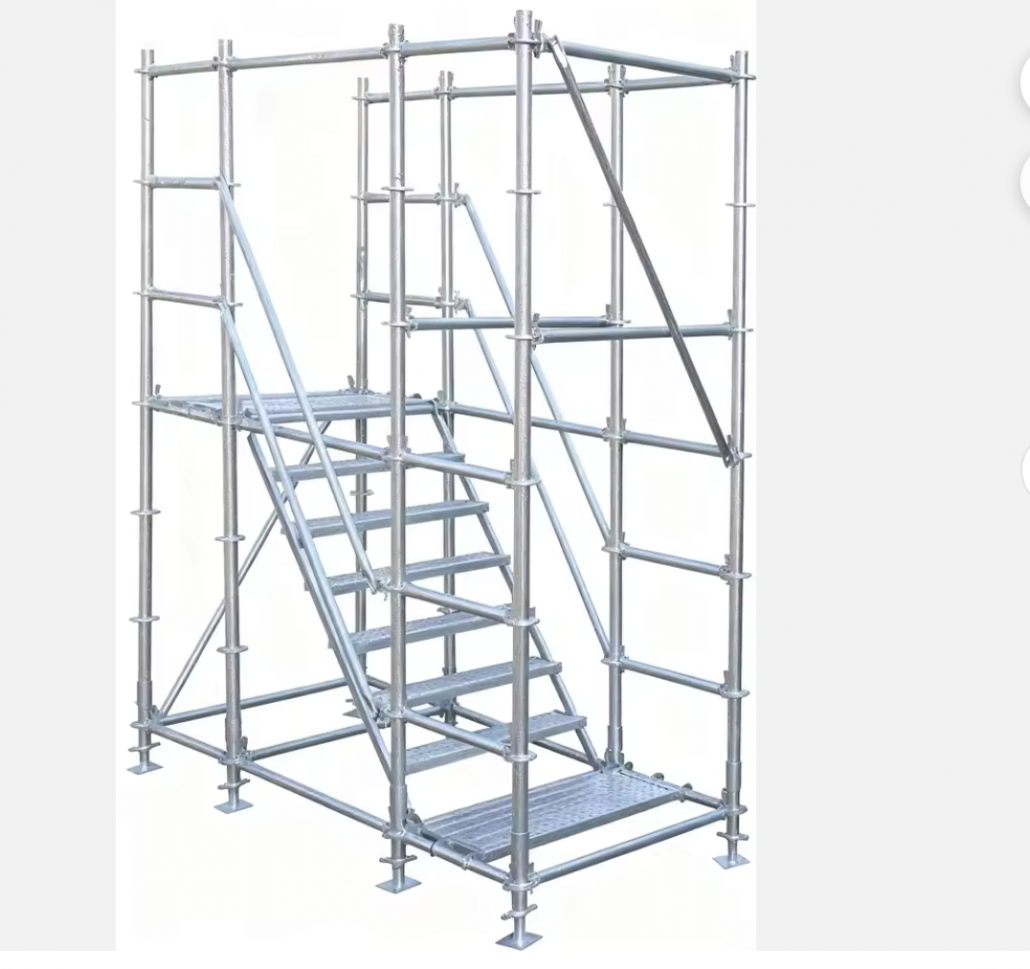
At its core, ring lock scaffolding is a modular powerhouse defined by its central “rosette” connector. Unlike antiquated tube-and-clip methods, this system utilizes a fixed-point locking mechanism. This “ring” allows for up to eight separate connections—including ledgers and braces—to be secured at a single node with a simple hammer strike, creating a rigid 360-degree framework.
Common Applications in Modern Construction
· Complex Industrial Infrastructure: Predominantly used in oil refineries, chemical plants, and power stations where intricate pipework requires flexible yet stable access.
· Large-Scale Civil Engineering: Essential for bridge shoring and tunnel construction due to its immense axial load capacity.
· Heavy-Duty Shoring: Its structural integrity makes it the go-to choice for supporting heavy concrete slabs during the pouring phase.
· Public Events & Seating: Often utilized for temporary grandstands and festival stages where rapid assembly and teardown are mandatory.
Vital Components of the Framework
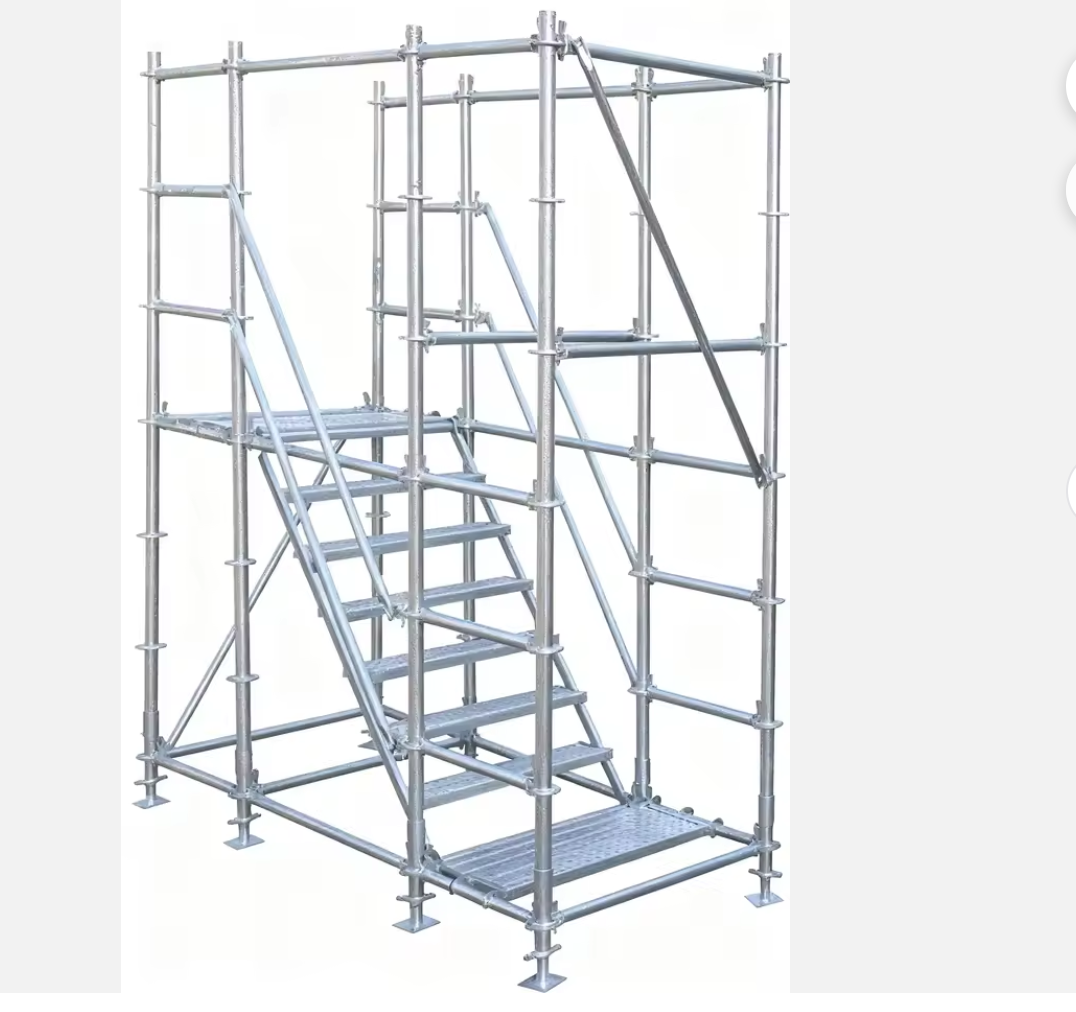
1. Vertical Posts (Standards): The backbone of the structure, featuring the signature rosettes welded at precise intervals (typically 50cm).
2. Horizontal Runners (Ledgers): These define the length and width of the scaffold bays, locking into the rosettes to provide lateral stability.
3. Diagonal Stabilizers (Braces): These provide the “triangulation” necessary to prevent the structure from swaying or collapsing under wind loads.
4. Base Adjusters (Jacks): Heavy-duty threaded feet that allow the system to be perfectly leveled on uneven or sloping terrain.
5. Decking Units (Steel Planks): Perforated, slip-resistant platforms that provide the working surface for technicians.
Essential Factors to Consider When Choosing Ring Lock Scaffolding
Selecting the right hardware in 2026 requires looking beyond the sticker price. Here are the primary variables that determine long-term ROI and site safety.
System Configuration and Style
Not all ring lock systems are identical. You must decide between standardized modularity (compatible with global layouts) or specialized proprietary designs. In 2026, the trend favors “interoperable” styles that allow for easier integration with existing inventory, provided the steel grades match.
Dimensional Planning: Length and Width
The footprint of your scaffold dictates workflow efficiency.
· Length: Longer bays reduce the number of standards needed but may lower the load-bearing capacity.
· Width: Ensure the width complies with the “three-board” or “five-board” rule depending on the volume of materials your crew needs to keep on the platform.
Material Integrity and Quality Requirements
In the current climate, material fatigue is a major concern.
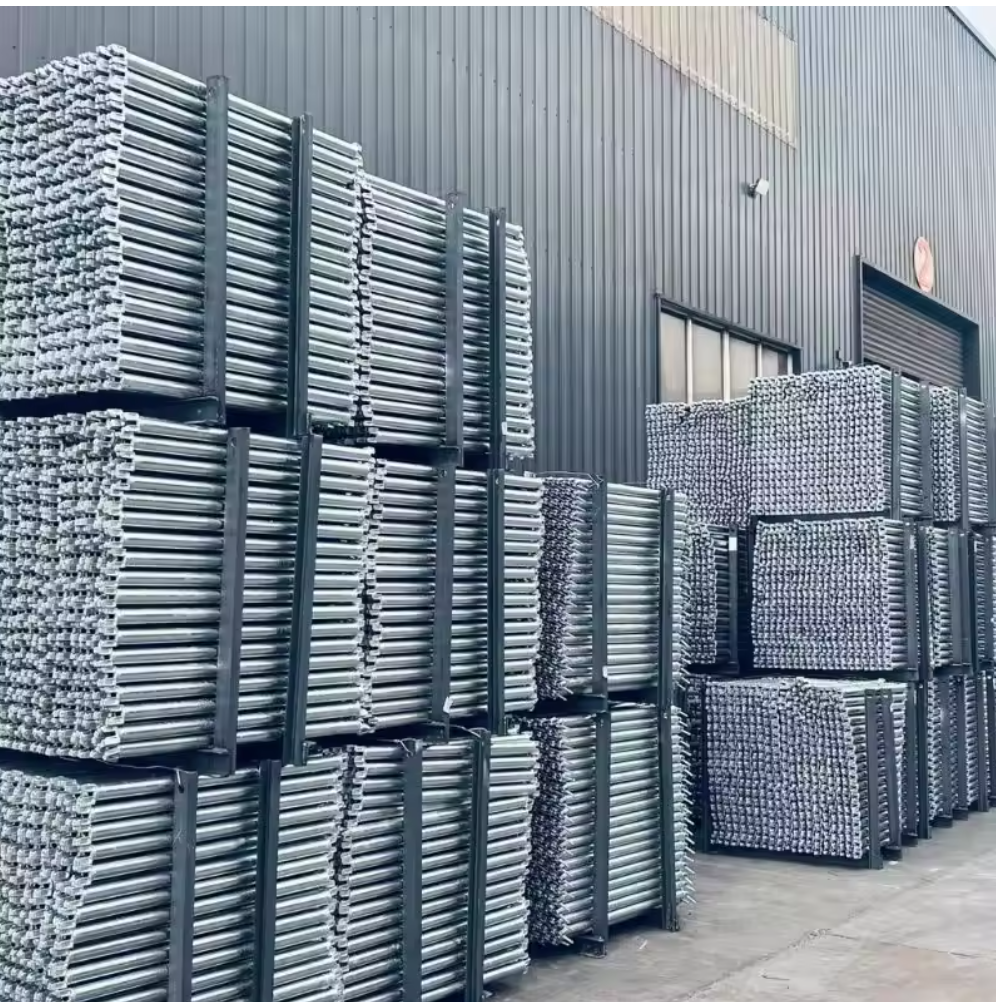
· Steel Grade: Insist on high-tensile steel (such as Q355 or S355JR).
· Protective Coating: Only opt for Hot-Dip Galvanization (HDG). Unlike painting or cold-galvanizing, HDG creates a metallurgical bond that prevents internal rusting, ensuring the equipment remains safe for 15+ years.
Compliance, Standards & Safety Features
Regulatory bodies have tightened oversight in 2026. Your checklist should include:
· Global Certifications: Verify compliance with EN 12810/12811 (Europe) or ANSI A10.8 (USA).
· Wedge-Lock Reliability: Inspect the pins; they should be designed to stay “captive” within the ledger head to prevent them from falling out during transit or assembly.
· Auto-Locking Mechanisms: Modern 2026 iterations often feature gravity-fed locks that engage automatically when the ledger is dropped into the rosette, reducing human error.
Conclusion: Choosing the appropriate ring lock scaffolding for safer production and installation
To wrap things up, picking the right ring lock scaffolding isn’t just a box to tick—it’s the foundation of your entire site’s safety and workflow. In 2026, the stakes are higher than ever, and a “good enough” approach just doesn’t cut it when you’re dealing with complex builds. By focusing on high-grade steel, making sure everything is hot-dip galvanized, and strictly following international safety codes, you’re doing more than just buying gear; you’re protecting your crew and your bottom line. At the end of the day, investing in a top-tier, compliant system pays off through smoother assembly and, most importantly, the peace of mind that comes from a rock-solid production environment.